
Blog
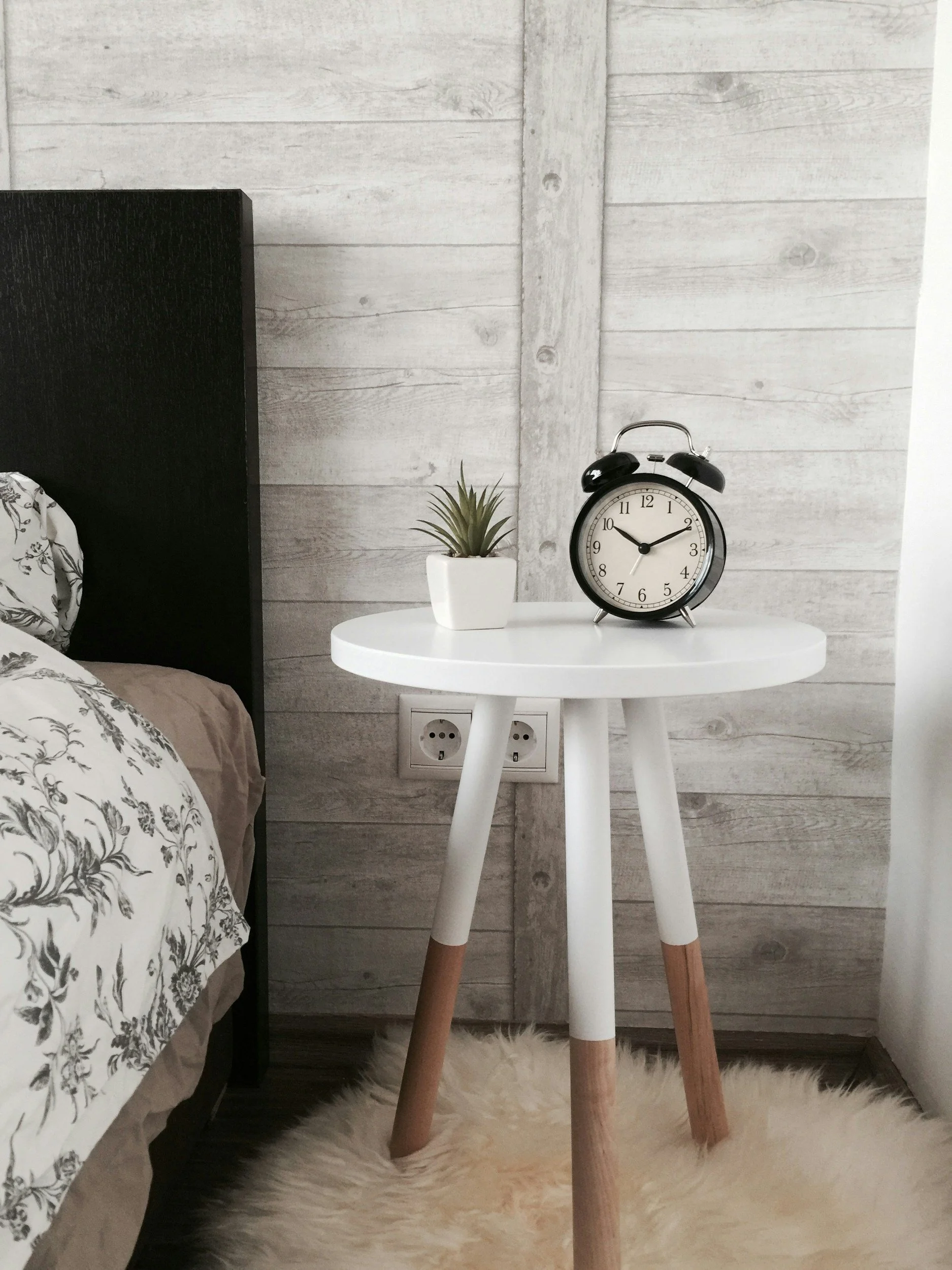
Why You Can't Sleep

Insomnia. It happens to almost everyone at some point. We can power through occasional and brief episodes. But those prolonged and recurring episodes can just about ruin your day...every day. If you can’t sleep, here are some possible reasons why.
Something Is Bothering You
Whether you realize it or not, something may be on your mind that’s interfering with your sleep. This is true whether you’re having a hard time falling asleep or you’re waking up at 3am and unable to fall back asleep. You may have gotten so used to this source of stress that you don’t realize it’s bothering you. This could be a change at work, a change in your financial situation, an upcoming visit from someone you don’t like, worry about a mysterious symptom you or your loved one is experiencing, ongoing marital problems, feeling lonely or bored in life - the list of possible options is endless and unique to your experiences. Mental health issues like clinical depression and anxiety are also associated with insomnia.
Your Hormones
The hormonal shifts that happen with menopause and perimenopause can interfere with sleep. Abnormal thyroid levels can also have a dramatic impact on sleep. In some cases, testing can help determine if hormones are playing a role in your insomnia. Birth control pills and hormonal IUDs may also interfere with sleep. Testing in these situations is more complicated as results may be skewed because of the hormonal influence of the birth control. Please do not change your prescription medications without consulting your doctor.
Nutritional Deficiencies And Supplements
Nutritional deficiencies like iron deficiency and low vitamin d have been associated with poor sleep. On the flip side, taking certain nutritional supplements or herbal remedies before bed can worsen sleep. One example of this is a B-complex. Many B vitamins can increase energy and can interfere with sleep if taken too close to bed. The same goes for certain herbal remedies like rhodiola. Talk to your naturopathic doctor to get a good schedule for your natural remedies and supplements.
You’re Spending Too Much Time On Your Bed
The bed is not the place to watch TV, scroll on your phone, send emails or do work. When we do this, the brain starts to associate the bed with wakefulness rather than sleep. When it comes to sleep we need to convince our busy minds that when we are in bed, it’s time to shut down and sleep. If you need background noise to fall asleep, consider music or white noise. Tossing and turning in bed when you can’t sleep also disturbs this sleep-bed association. That’s why it’s recommended to get out of bed when you can’t sleep and do something relaxing (screen free) until the desire to sleep returns. When that happens, you try going to bed again.
Of course, these are only a few things that could be contributing to your inability to sleep. Working with an experienced health care provider can help you get to the bottom of your unique sleep issues. If you need help managing your sleep and you want to learn more about how a naturopathic doctor can help you, get in touch.

Carbs and Mental Health

Carbs have really taken a hit in the past few decades. They are portrayed as the enemy for everything from weight gain to brain fog to allergies. Most of the trending diets (keto, carnivore, paleo) are anti-carb with heaps of information about why carbs are the enemy and why humans are not meant to eat carbs.
The reality is that painting carbs as detrimental to health is a dramatic oversimplification of the situation. Stating that our cave-man ancestors mainly ate meat and fat is inaccurate.
It’s really (really) hard to reconstruct the diet of our prehistoric ancestors. The level of carbohydrate intake varied by the location of a population - some may have had more and some may have had less. The evidence available suggests that carbohydrates were an important part of the development of the human species and played a key role in meeting the energy needs of humans and the development of the brilliant human brains we have today.
Research shows us that diets rich in complex carbohydrates that are high in fiber and antioxidants are good for mental health. They promote good gut health and less inflammation which is associated with less anxiety and depression. Diets high in refined carbohydrates (white bread, white rice, pastries etc.) are associated with poorer mental health.
So if you love carbs and dread the idea of dinners that look like chicken breast with a few leaves of spinach, keep this article in mind. In general carbs from sources like whole grains, vegetables and fruit are great for mental health.
Of course, everyone’s nutritional needs are different depending on their health history. Even certain healthy carbs could be a problem for people with specific medical conditions. Health advice is not one size fits all. If you need help sorting out the right diet for you, get it touch to learn more about how I help patients.

How to be a less grumpy mom

When you have a moment with your kids after they come home from daycare or school or after waking from a nap, there’s nothing worse than spending that whole moment feeling irritable and snapping at them.
Often, firmness is warranted. We can tolerate running around the car for a bit but eventually, it’s time to get in the car seat…now!
But do you ever find you get stuck in the mode of being firm and unsmiling and short for long stretches of time? Do you find it hard to bounce back to a more positive state of mind?
In my experience, this usually happens when a mom’s needs are not being met. You haven’t had enough fun or creativity or sleep. Your meals have been mindless and not very satisfying or nourishing. Your muscles feel tense because you haven’t been stretching or drinking enough water. You’ve been filling your precious me-time with doing chores or tasks. You haven’t watched a genuinely inspiring movie or escaped into a truly captivating book in ages. You haven’t done a personal hobby lately. These are just a few of the reasons for a stressed out, irritable mom.
Another reason could be hormones. Premenstrual syndrome, postpartum hormone shifts and perimenopause can deeply impact relationships because they can make you feel like your emotions are out of control.
So what’s a mom to do? Well, we have to do the opposite of the above as much as possible. Below, I talk about what that can look like. And believe me, I know, not all of these options will be realistic or even desirable to you - but maybe some of them will be. Maybe you can fit in one of these tips every few days or even every day. Maybe it’s worth a try if it means you can get a little closer to the enthusiastic, more easy going, more joyful version of yourself that gets trapped underneath your grumpy alter-ego.
Get a book that’s a genre that you love and that takes you to far away places in your mind and replace some of your TV or phone time at night with reading it. Books can be more grounding and more immersive than TV.
Bring date night home when you can’t get out and consider bonus ones on weekdays. Maybe have some store-bought ice cream with your partner on the front porch or couch after the kids go to bed (baby monitor in hand). Or watch part of a really good iconic movie together. I don’t know about you but when I watch a quality, acclaimed movie I feel much more inspired than when I watch just any random thing trending on Netflix.
Think back to a creative hobby you once did and bring it back into your life even a little bit (art, crochet, photography, starting a bookstagram etc.). Humans need creativity.
Sit down at the table (maybe with some grocery store flowers as a centerpiece) and eat your meals and snacks mindfully. Eat nourishing meals and snacks without a screen as your meal partner. Imagine you're at a cafe if that helps you. Adults benefit from a sprinkle of make-believe too.
Look into a form of exercise that you can stick with even if that means using Youtube or a fitness app rather than the gym. Yoga. Pilates. Dance workouts. Whatever is interesting (and safe) for you.
Have a cut off for when you stop doing chores and tidying and can just completely do whatever you want. Ideally this would be something fun (like reading) and not just brushing your teeth and getting ready for bed.
Get support for any potential hormonal, psychological or physical ailments you have. You deserve to feel well. It’s hard to avoid feeling grumpy when you feel unwell.
One of the most common goals I hear when I work with patients is that they want to be healthier so that they can have better relationships with their loved ones. This often includes feeling less irritable around kids and partners. Moments of grumpiness are inevitable. We’ve all been there. But we want to make sure this is not the mode that we’re in all the time - not only for the sake of others, but for our own sake too!

Anxiety and Depression in Perimenopause and Menopause

Do you feel like there’s been a shift in your mental health? Are you worrying more than usual or having a harder time managing stress and anxiety? Are you feeling more sad or empty lately? Are you noticing an increase in irritability?
Perimenopause and menopause are both associated with an increased risk of depression and anxiety. There have been a number of studies on this subject that reveal this correlation.
Perimenopause refers to the transition towards menopause which can last several years before periods stop. It often starts in the 40s but it can begin in the 30s for some women. Once the period has stopped for a year, you’re considered in menopause. This usually happens when women are in their 50s.
Why is there an increased risk?
The physical changes that happen to women during perimenopause and menopause can be alarming and stressful. Hot flashes, night sweats and insomnia can really strain mental health. A drop in libido is a common symptom that can lead to feelings of emptiness or depression. Difficulty losing weight and changes in physical appearance during this period can be a source of anxiety for many. Brain fog and fatigue can lead to a background feeling of stress all the time.
Then there are the hormonal shifts that impact mental health. The drop in estrogen that happens during this time is believed to cause negative changes in mood for some women. Other hormones like progesterone and testosterone drop too but the impact of these changes on mental health is not well studied (unfortunately). The hormonal shifts may in turn impact neurotransmitter activity. Serotonin is a neurotransmitter that plays a role in mood and it may be impacted by the hormone shifts that happen during perimenopause and menopause. Past history of anxiety and depression increases your risk of symptoms getting worse during perimenopause.
Some big life changes happen from 40 years old and on. Young kids and teens could be hitting some challenging milestones. Empty nest syndrome could kick in as adult children move out. Caregiver burden often goes up as parents age. Career burnout or dissatisfaction can start to weigh on you. All of these changes combined with the physical changes mentioned above could contribute to the increased vulnerability to anxiety and depression among perimenopausal and menopausal women.
What to do about it
We can't stop menopause from ever happening but there is a lot that can be done to smooth the transition and reduce anxiety, depression and physical symptoms. This can be done with the help of natural remedies, diet changes and lifestyle changes. If you want to learn more about how I help women through perimenopause and menopause, don’t hesitate to reach out.

B12 and Depression

There are so many nutrients that play a role in mental health. We can’t accurately test for every nutrient deficiency in a convenient and well validated way. Luckily, B12 is one of the nutrients that we can actually test with a fair amount of confidence about the accuracy of the results in many cases.
There have been a number of studies about B12 and depression. Studies have found that lower levels of B12 in certain populations may be related to depression symptoms. Higher intake of B12 has been associated with a lower risk of depression. However, it’s unclear how much B12 supplements improve depression symptoms. Some studies have show promise, other have not. B12 may also help with other symptoms that are common among depressed patients such as low energy.
B12 might impact mental health because of its role in producing certain neurotransmitters in the brain which are important for mood regulation. It can also help lower other compounds in the body such as homocysteine which have been linked to depression.
Vitamin B12 deficiency can happen when you are not consuming enough of the vitamin. Common sources of B12 are chicken, eggs, fish, dairy and meat. It’s also fortified in certain foods like some brands of nutritional yeast and is easily found in supplement form. Deficiency can also happen when you’re not absorbing enough B12 from the foods you eat. This can be due to a medical reason like gastritis or celiac disease. B12 deficiency has also been linked to certain medications. Sometimes we don’t know why the body is not able to absorb B12 well from the diet.
The easiest way to determine if vitamin B12 deficiency is playing a role in your mental health is to test for deficiency and treat it. Not everyone needs a B12 test but it’s something I do for many of my patients along with other testing to determine if hormones or nutrient deficiencies are playing a role in their mental health symptoms.

Why Acne Get Worse Before Your Period

I always ask my patients about whether or not they deal with acne. It can be a good indicator of what’s going on in the body in terms of hormones, reactions to food and stress levels. One of the most common responses I get from patients is that their acne gets worse before their period. Why does this happen? Is it a normal phenomenon that we just have to live with or is it a sign that something is off?
Hormonal Fluctuations
For most women, the spike in acne happens within the week before the period starts. If they normally have clear skin, this is when a few pimples can pop up. If they struggle with acne already, this is when it can get even worse.
Influencers in the wellness world like to blame estrogen for a lot of problems but when it comes to acne around the period, the main culprits are progesterone and testosterone. Progesterone is supposed to be high in the week before the period and it plummets as bleeding begins. This natural, high progesterone level can trigger an increase in sebum production in the skin which can clog pores. Before the period, estrogen is on the lower side but relative to this, testosterone is on the higher side. This relatively high testosterone can also contribute to more sebum production. For some women, this spike in sebum is the perfect fuel to grow acne causing bacteria.
What Can Be Done
These are all natural, normal hormonal changes. However, for women who are already dealing with hormonal imbalances like elevated testosterone throughout the month, insulin resistance, or low estrogen, these normal hormonal fluctuations could exacerbate their acne. There are natural ways to bring these hormones to a healthier level.
Other ways to combat acne around the period include a good skincare routine, wise diet choices and a concrete stress management plan.
So to answer my questions above, these acne-causing hormonal fluctuations are natural and normal but there is still a lot that we can do to minimize their impact on our skin. If you need help managing your acne naturally, book a free 15 minute consultation to learn more. We work on diet, hormones, sleep, stress management, inflammation, skin care and sometimes facial acupuncture to address acne.

You Belong Here

Naturopathic medicine and the world of wellness can seem exclusive in the eyes of some people. It can feel intimidating or like it’s only for people who look a certain way, speak a certain way or have specific beliefs.
What do you picture when you think of the type of person who sees a naturopathic doctor? Do you imagine that they’re young, super thin, wearing fancy matching athletic clothes, sipping on kale smoothies throughout the day? Do you imagine that they are spending their days at yoga retreats, wearing handmade skirts and rejecting all modern science? I hope in this short article I can assure you that these stereotypes aren’t true and that naturopathic medicine is for everyone.
Most of the women I see are regular people from right here in the Greater Toronto Area. They’re moms, professionals and/or students just living normal lives. They’re interested in feeling better and getting healthier but they’re busy and need plans that are practical and can fit into their lives. I see anxious moms, overworked teachers, burnt out masters students, perimenopausal professionals - all kinds of people. I don’t want any of them to feel like they don’t belong because they do.
Sometimes, culture comes into play and people feel like naturopathic medicine is only for certain cultures. They might think something along the lines of “our people don’t do all this wellness stuff.” I’ve heard that from people in my own culture. That’s also an incorrect stereotype. Whether your ancestors are from Europe, Asia, Africa, Latin America - anywhere - all humans have ancestors who valued nature and used food and herbs as medicine. All cultures belong. Medicine is part of the human experience - and this is especially true for natural medicine.
So the next time you feel like you don’t belong at that gym or in that health food store or at that naturopathic doctor’s office, please think again. You belong here.

Feeling Like The World Is Unreal

Have you ever gone about your day and suddenly felt like the scene unfolding around you felt more like a movie that you were watching rather than your actual reality? Or maybe it felt like you were in a dream. Things just felt different from the norm and…off.
This may be derealization.
What is Derealization
Derealization is often a symptom of a panic attack or it can be brought on by very high stress. It involves feeling like things around you are not real or are distorted in some way. This can lead to a feeling of detachment from your surroundings - like they are a screen that you’re watching. It can be a really scary experience that leads to feelings of panic and fears that you’re “losing your mind.”
The episode can last a few minutes, half an hour or even weeks.
Derealization can be associated with other medical conditions as well so it’s important to mention this symptom to your doctor to get a full assessment.
Treatment
If derealization is happening during a panic attack or in response to stress and anxiety, then treating the stress and anxiety is key. This can be done with therapy, medication and natural remedies. In the moment, it’s often recommended to connect to the senses to try to ground back into reality. This includes smelling something, touching your own skin or an object or someone you trust, listening to the noises in your surroundings and counting objects that you see. A health care provider can help you come up with techniques that are tailored to your experience of derealization.
If you want to learn more about holistic ways to manage your anxiety, click the button below to learn more about the Anxious to Empowered program.