
Blog
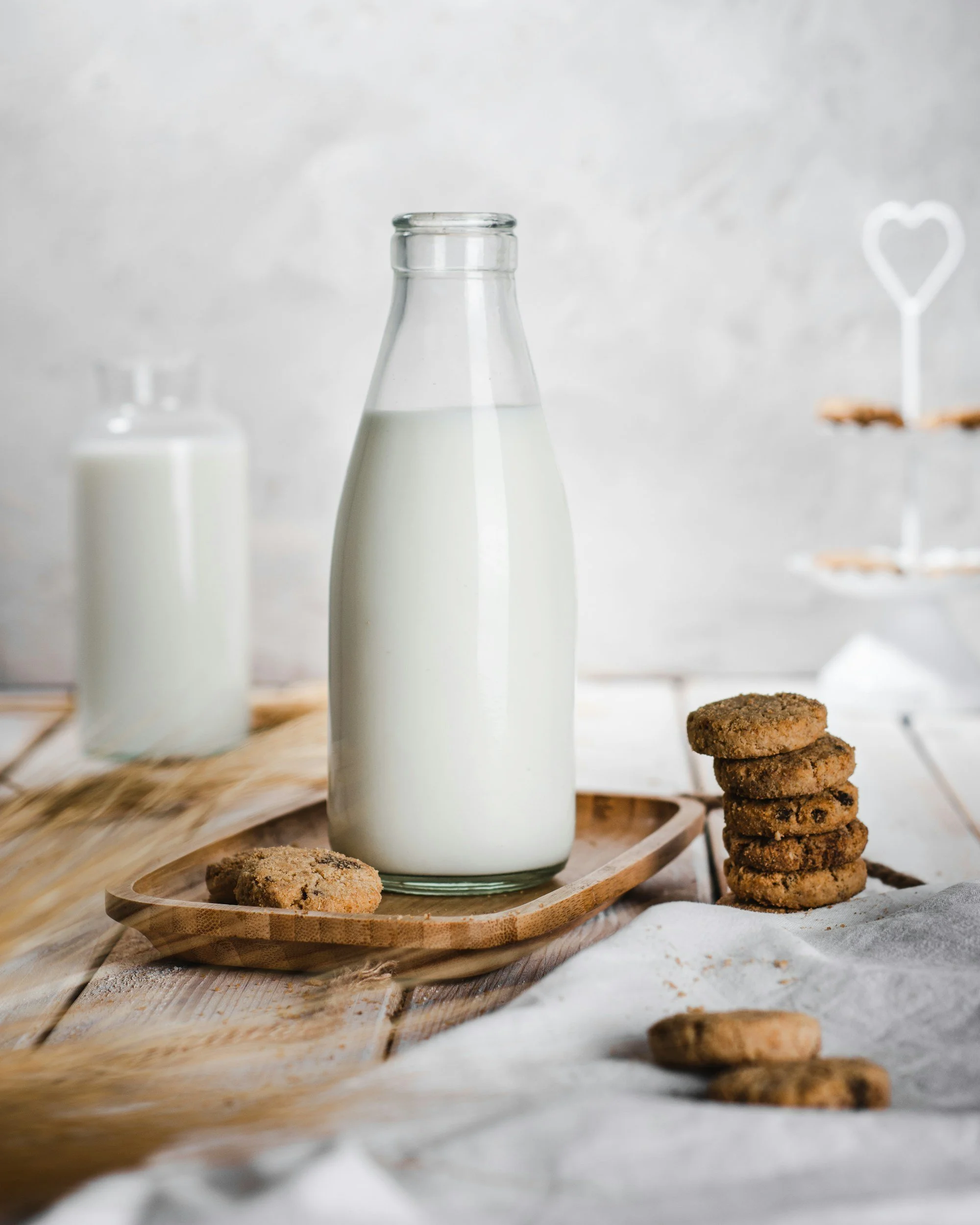
Calcium for Premenstrual Syndrome (PMS)

Premenstrual syndrome can really bring you down for a good portion of the month. If you get a period every month, that’s a huge portion of your year and your life feeling irritable, sad, bloated or generally uncomfortable.
There are a fair amount of studies showing that calcium can improve symptoms of PMS. It can help with emotional symptoms like anxiety and low mood and it can help with physical symptoms like bloating and headaches.
A pretty high dose of calcium was found to be beneficial in studies which could be good news for those who love dairy and not so good news for those who are sensitive to it. Some people find that dairy (even lactose-free dairy) can upset their stomach, worsen IBS, and lead to acne breakouts. It can be helpful to work with a naturopathic doctor to sort out the best PMS treatment plan that does not interact with any health conditions you may be dealing with.
How To Get Calcium In The Diet
Some sources of dietary calcium include:
Milk, yogurt and cheese (ideally skim or lower fat rather than whole milk since higher dietary fat may worsen PMS)
Fortified milk alternatives like almond or oat milk (some brands provide 300mg of calcium per cup)
Almonds
Tofu (with calcium sulfate listed in the ingredients)
Beans (like white beans)
How Does Calcium Help With PMS
Some of the research suggests that women who experience PMS may need more calcium than those who do not. Calcium may support serotonin production which could help improve PMS symptoms. The exact mechanism of how calcium helps is not completely understood yet.
If you need a plan to make your period or premenstrual symptoms more manageable, book a free 15 minute consultation to learn how naturopathic medicine can help you.
Dysthymia (Persistent Depressive Disorder)

Lingering sadness that stretches on for prolonged periods of time without being extremely intense but also not something that’s easy to ignore. This is how people with dysthymia can feel. Dysthymia is now called persistent depressive disorder in the DSM-5. It’s not as well understood as major depressive disorder (MDD). MDD tends to come and go with episodes of depression alternating with periods of remission. With dysthymia, symptoms of depression can persist for years without much remission time. It can start in childhood, making someone feel like they have always been depressed.
Causes
As with most mood disorders, dysthymia is believed to have a complex web of causes ranging from biological to social to environmental and psychological. Risk factors include family history, high stress, low self esteem, trauma and having other mental health diagnoses. It also appears to be more common in women.
Symptoms
In order to meet the criteria, adults need to be experiencing a depressed mood that interferes with their life for at least two years. If there is any relief, it does not last longer than 2 months. Other symptoms need to be present such as fatigue, insomnia, increased or reduced appetite, or poor concentration but not all of these are required to be diagnosed with dysthymia.
Treatment
Dysthymia is treated much the same way as depression. Antidepressant medication and therapy is often recommended. In addition to these options, I support my patients by improving their diet in a way that improves their mental health, working on lifestyle changes and recommending nutritional supplements and herbal medicines that they can incorporate into their treatment plan without interacting with medications they may be taking. Treatments plans (including diet and lifestyle) need to meet a patient where they are at so that they are realistic and not overwhelming.
Please remember to speak to your family doctor or psychiatrist to confirm any diagnoses rather than self-diagnosing. If you’re in a state of crisis, contact: 1-855-310-COPE (2673), Suicide Crisis Helpline (9-8-8) or 9-1-1.

PCOS, Anxiety and Depression

Polycystic Ovarian Syndrome (PCOS) is a condition that involves irregular periods, metabolic issues like weight gain and insulin resistance, and symptoms of excess androgen hormones like acne and hair loss (or excess growth). It’s a common condition but what is often not talked about is its connection with mental health.
Women with PCOS are more likely to have anxiety or depression. This could be because some of the symptoms (like acne, hair loss, and infertility) take a psychological toll on those who experience them by impacting self esteem, relationships, and important life goals. It’s possible that the biological factors in PCOS like insulin resistance and elevated androgens are contributing to the anxiety or depression directly but there is limited and inconsistent information on this from studies.
Associations have also been found between PCOS and eating disorders, bipolar disorder, and obsessive compulsive disorder.
Treatment
Treating the mental health aspects of PCOS means treating the PCOS itself by balancing the hormones that are out of range and improving the symptoms. Because it can take time for symptoms to improve, treating anxiety and depression directly can also be beneficial. Some of the natural remedies that help with PCOS can help improve mental health too. Talk to your naturopathic doctor to get a treatment plan that address both your mental and physical PCOS symptoms.
Adaptogens That I Use In My Practice

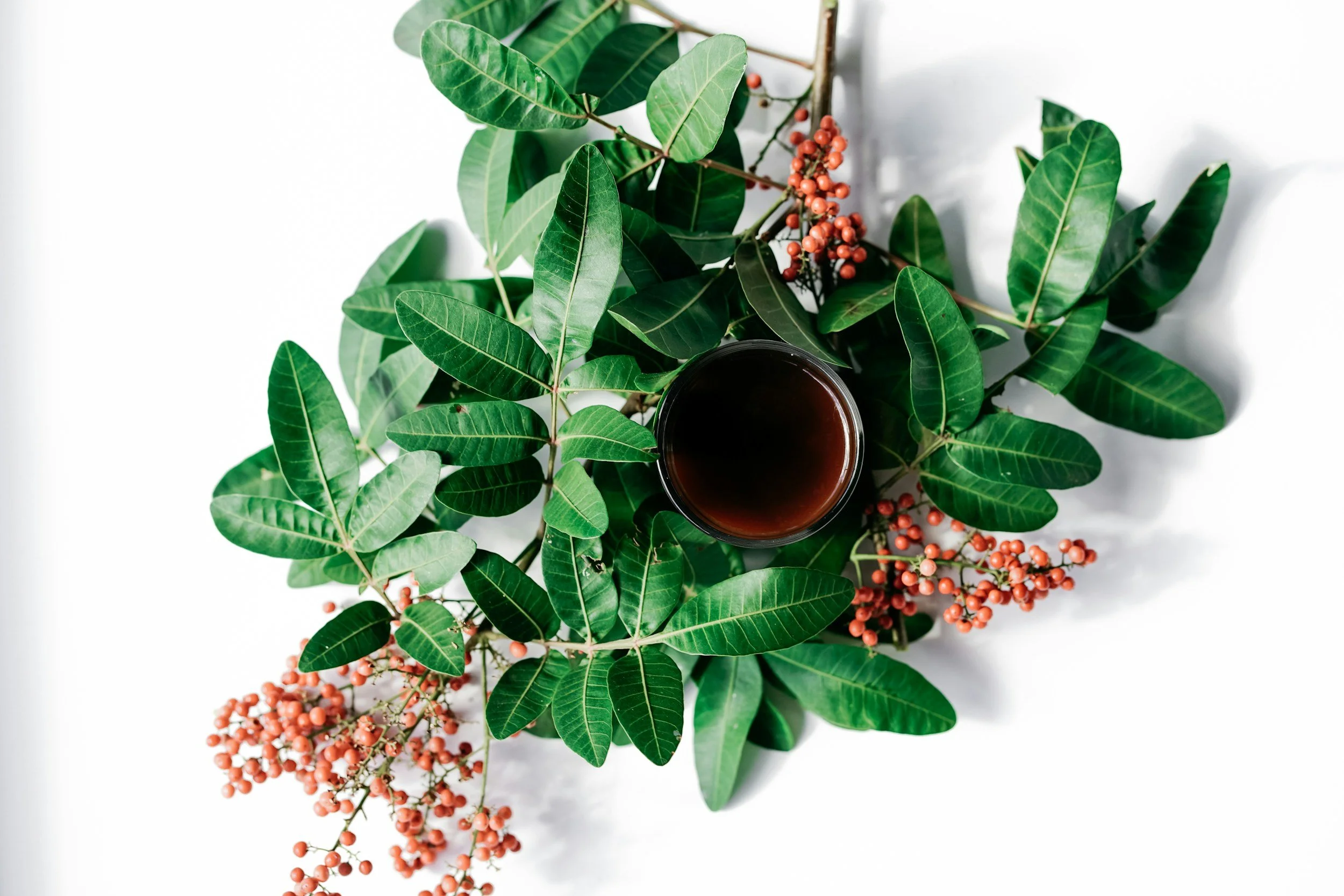
The term adaptogen is a term used by those who practice botanical medicine to describe herbs that help the body to adapt to physical and mental stress. Depending on how they are used, they may help with fatigue, certain hormone imbalances, blood sugar control, supporting the immune system, anxiety, depression, sleep and more. Because each patient case is unique, I carefully select the herbs that I use based on a thorough assessment of my patients. Below are three adaptogens that I often use in my practice.
Ashwagandha
This herb is a great one for some of my stressed out and anxious patients. It has a role to play in supporting healthy thyroid function and balancing cortisol and testosterone levels. There are a number of studies on ashwagandha that demonstrate its ability to help with mental health, insomnia and fatigue.
Siberian Ginseng
Siberian ginseng is different from panax ginseng. It boosts energy without having an overstimulating effect. I consider this herb when I have a patient who feels burnt out and needs help with focus and improving their cognitive health. It can be a great one for students and busy professionals.
Rhodiola
Rhodiola is a herb that I tend to use in some of my depressed patients. It can help improve mood, calm down anxiety and reduce fatigue. It can be beneficial in some of my patients who are struggling with menopause symptoms.
These adaptogens can interact with some medications and some medical conditions so you should consult with a qualified naturopathic doctor to help you choose the best adaptogen and dosage for you.

Anxiety and Gluten: What's the Truth?

Going gluten free has become a controversial topic in the wellness community. Some feel that gluten is enemy #1 while others poke fun at the culture’s fixation on gluten. While gluten is not a problem for everyone, there are times when gluten can impact health, including mental health.
Celiac Disease
Celiac disease is an autoimmune disorder. When someone with celiac disease consumes gluten, it damages their intestines and prevents them from absorbing nutrients and functioning properly. This usually leads to gastrointestinal symptoms like diarrhea and pain. However, the symptoms are not limited to the gut and both anxiety and depression are recognized by reliable sources as possible symptoms of celiac disease.
It’s also important to note that not all people with celiac disease have obvious symptoms. This is commonly called silent celiac disease. The same reaction is happening to gluten in the body but for whatever reason, digestive symptoms are not showing up. Celiac disease can go hand in hand with other autoimmune conditions such as Hashimoto’s thyroiditis (a common cause of hypothyroidism and a common contributor to anxiety symptoms). A naturopathic doctor can help start you on the process of testing for celiac disease and other autoimmune diseases if they are suspected.
Gluten Sensitivity (Without Celiac Disease)
There is emerging evidence that gluten can negatively impact anxiety and depression symptoms in patients who are sensitive to gluten even if they don’t have true celiac disease. Non-celiac gluten sensitivity (NCGS) is a recognized condition although more research needs to be done to better understand it. NCGS involves experiencing negative symptoms after consuming gluten without actual damage to the intestines. These individuals feel better on a gluten free diet but traditional testing for celiac disease comes back negative in this population. It’s important that anyone who thinks they are sensitive to gluten be evaluated for true celiac disease so that they can get proper care and monitoring.
Treatment
Not everyone with anxiety or depression should be put on a gluten free diet. With my patients, I do a thorough assessment before determining if gluten could be playing a role in their mood symptoms. It’s not often the case, but it does happen so if you need guidance in this area, don’t hesitate to reach out.
Myo-Inositol: What You Should Know
What is myo-inositol?
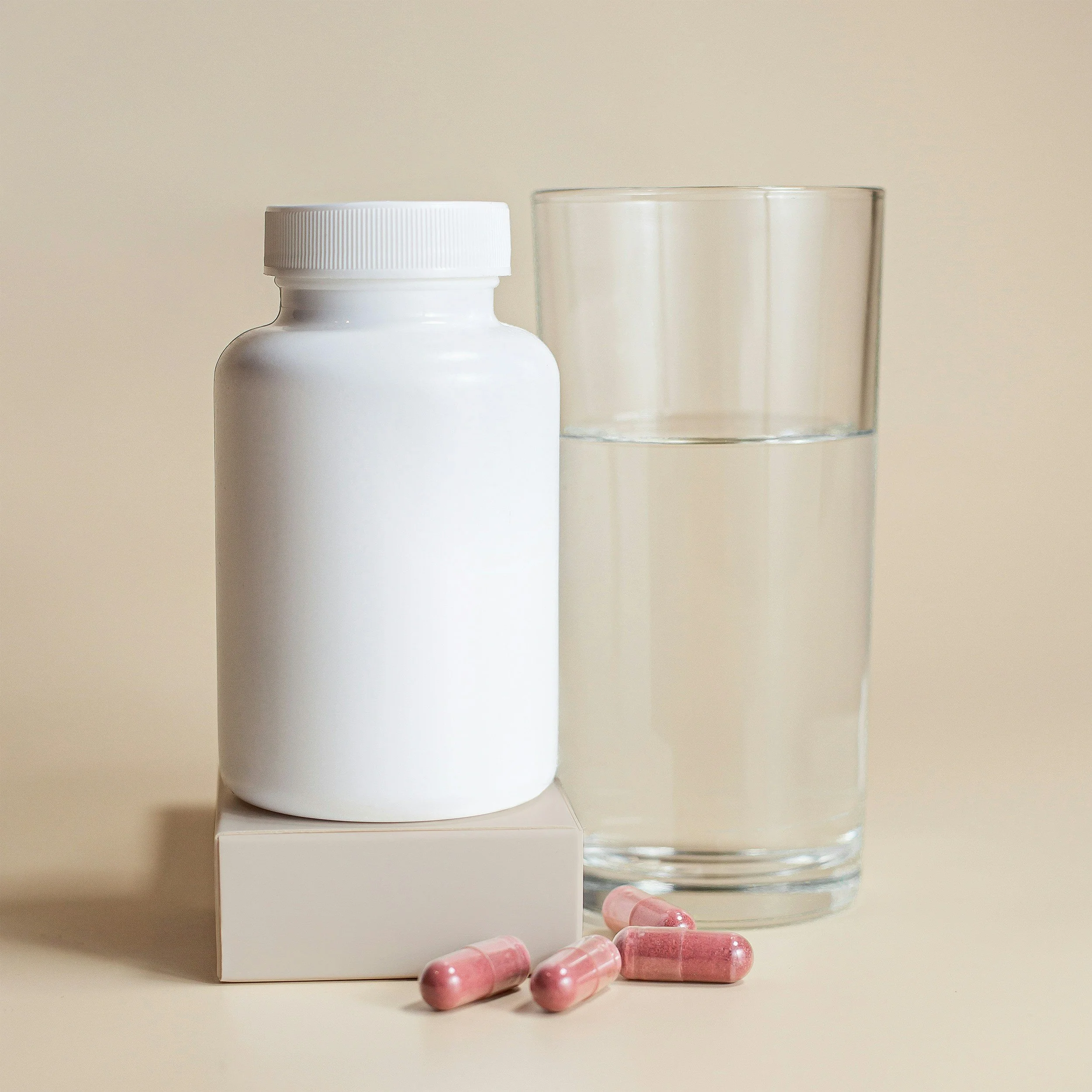
Inositol is a compound produced naturally in the human body and found in foods such as grains, organ meat, almonds, beans and certain fruits but it may be difficult to get all of the inositol our body needs from a modern diet alone. It’s typically sold in two different supplement forms: myo-inositol and chiro-inositol. Certain factors increase our body’s need for inositol. These include having a high amount of refined sugar in the diet, high blood sugar and increasing age.
Myo-inositol plays a role in many functions in our body including how hormones (like insulin) and neurotransmitters communicate with our cells. It seems to be important in organs like the brain and ovaries because of these roles.
What conditions is it used for?
Inositol is a popular supplement used for a wide array of conditions such as PCOS, diabetes and insulin resistance, thyroid disorders, elevated cholesterol, anxiety, depression and obsessive compulsive disorder.
What doses are used?
The dose used depends on the condition being treated with lower doses being used for PCOS and thyroid issues (anywhere from 1-9 grams) and higher doses being used for mental health conditions. Studies on inositol often span from 3 months to a year so it may take time before improvements in symptoms are noticed.
What about D-chiro-inositol?
D-chiro-inositol is another form of myo-inositol found naturally in the body. It’s made from myo-inositol and is found in many body parts including muscle and the liver. Many studies on conditions like PCOS show that myo-inositol supplementation alone can improve symptoms. However, there may be cases when supplementing with both forms is beneficial. Your naturopathic doctor can help you decide the best course of action.
Does it have side effects?
Bloating and gastrointestinal discomfort are possible side effects but this typically happens at higher doses. Taking it with food may help prevent this. It may interact with certain medications which your naturopathic doctor can help you figure out.
If you have questions about the supplements you’re taking, book a free 15 minute phone consultation so we can talk about how I can help.

Does dyeing your hair cause hair loss?

I often see patients who struggle with hair loss. One of the first factors to consider in cases of hair loss is hair care. How hair is washed, combed, styled and what products are being used in it can potentially worsen hair loss. Colouring the hair may exacerbate hair loss. A study published in 2023 discussed an association between hair dye and hair loss. One of the reasons that dyeing the hair can do this is because the chemicals in the dye can cause contact dermatitis. Contact dermatitis happens when the skin becomes inflamed after coming into contact with a certain agent. This irritation can then lead to hair loss. Hair loss may also happen in response to dye without obvious signs of irritation but there is not a lot of research to definitively prove this.
Hair colour may dry, damage and weaken the hair leading to breakage. Even though hair can grow back after loss due to hair dye, if you’re already struggling with hair loss, that extra loss can be stressful.
So how do we work around this? Going gray is becoming increasingly more trendy but this may not be for everyone. Choosing a more natural hair dye could minimize exposure to some of the more irritating chemicals. Given that “all natural” has become a trendy buzzword that even not-so-natural products carry, it can be hard to find a truly gentle hair dye. A good place to start would be to consult with a hair colourist who is trained in using more natural dyes. Many natural focused salons will carry these products and brands for customers to purchase directly.
It’s also important to talk to your naturopathic doctor about underlying causes of hair loss like nutritional deficiencies, hormonal imbalances, stress and anxiety. You can find out more about these in my article here.

Postpartum Rage

Motherhood is supposed to be a time of pure joy right? Sure we’re tired after having a baby but our hearts are full and we’re blissful all the time…right? Thankfully, with the help of social media, this unrealistic image of postpartum life is being shed as mothers share their honest experiences about life after having a baby - experiences like sadness, anxiety, loneliness and fear.
However, one topic I still don’t see discussed that often is postpartum rage. It’s not often discussed online and there isn’t enough research on it as there should be. Postpartum rage or postpartum anger happens to many people after giving birth. Moms who experience this notice a dramatic increase in their anger after having a baby. It can go hand in hand with postpartum anxiety and postpartum depression or it can occur on its own.
In one Canadian study of about 270 mothers, 31% experienced “intense anger” in the first year postpartum. So you are not alone if this is your experience.
What Causes Postpartum Rage
Similar to postpartum depression and anxiety, postpartum rage may be caused by hormonal changes and the many disruptions in routine that happen after having a baby such as less free time and less sleep.
Postpartum Rage Symptoms
Many with postpartum rage feel like their symptoms are out of character for them or more intense than they are used to.
Symptoms include:
Losing your temper more frequently
Swearing more
Yelling more
Punching things like the floor or a pillow
Irritability
Treatment
It’s important to discuss these symptoms with your healthcare providers (including your naturopathic doctor) to get advice on how to cope. It’s also important to seek out immediate medical attention if you are at risk of harming yourself or others.
Many of the treatments for postpartum anxiety and depression are used for postpartum rage. As a naturopathic doctor I use diet, lifestyle recommendations, herbal medicine and nutritional supplements to help with postpartum mood issues. Medications and therapy can also be relevant in some of these cases.
Generally, improving self care and getting as much support as possible helps to improve postpartum mood issues including anger but any mother can tell you that this is easier said than done. If you would like to learn more about how a naturopathic doctor can help support you during the postpartum stage, book a free 15 minute meet and greet with me over the phone.