
Blog

Struggling to Lose Weight: Looking Beyond Calories
Research continues to come out showing that there may be more to the weight loss equation than the simple idea that we just need to burn more calories than we eat to lose weight. A 2015 paper was published that found that Americans nowadays are struggling more to manage their weight compared to a few decades ago – even if they eat and exercise to the same extent and consume similar amounts of protein, carbohydrates and fats.
This study found that while many Americans are consuming more calories now compared to four decades ago, there are other important factors that could be contributing to the rise in BMI and weight in the population. Here are some of the factors that scientists are considering:
Stress and poor sleep may impact hormones in a way that makes it harder to lose weight.
Toxins in the environment may impact the way your body uses calories. These are chemicals that can be found in household products and food and they may interfere with weight management.
More of the population is on medications that could contribute to weight gain.
The types of good bacteria in the gut may have changed in the population over the decades and this may be influencing the amount of calories that the body extracts from the diet - leading to weight gain.
A lot more research needs to be done on these non-diet and non-exercise factors but it’s definitely exciting that our view of weight management is expanding. This could be really valuable information for those who feel like they are eating and exercising appropriately and still struggling to manage weight.
Do you have more questions about this topic? Click the button below to get in touch.
Source: PMID: 26383959

Do Birth Control Pills Affect Mood and Anxiety?

I see so many patients who have noticed that their mood has shifted ever since starting or stopping birth control medication. I’ve heard this observation from people who take birth control pills, IUDs or other forms of birth control medication. The experience varies widely among individuals. Many are left wondering if their birth control really is affecting their mood or if it’s all in their imagination. There is actually not as much research on this topic as you would think. Because there are so many different types of birth control medications, it’s difficult for scientists to study how they impact mood.
Here is what some studies have found about birth control medication and mood:
Some women notice no change in mood whereas other women actually notice an improvement in mood.
Birth control may improve mood and anxiety during certain times of the month (e.g. before your period) and worsen mood and anxiety during other times of the month.
Certain birth control options may have less of a negative impact on mood like:
Non oral birth control medications.
Options with less androgenic properties (you can speak to your health care provider to learn more about what this means).
If you tend to have existing issues with mood (e.g. anxiety or depression), birth control medications may be more likely to worsen your mood.
Some people may be more susceptible than others to negative mood effects but scientists have not figured out why.
Negative impacts on mood may decrease with age (e.g. adolescents may experience more negative mood side effects from birth control medication compared to adults).
Ultimately, this is your health so if you feel like your mood is being positively or negatively impacted by your birth control medication, it’s worth speaking to your health care providers about it.

Stomach Bloating, Pain and Discomfort After Eating

A lot of people suffer with general stomach discomfort despite having normal test results. Scopes, ultrasounds, CT scans, blood tests and more all come back normal leaving many disappointed and longing for answers.
Functional Dyspepsia
Functional dyspepsia is one of the most common gut issues out there. It’s essentially a fancy name for indigestion. It’s used to describe a number of uncomfortable digestive complaints that occur when there is no concrete gut issue (like an ulcer, GERD, gallbladder diseases etc.).
Postprandial Distress Syndrome
Postprandial distress syndrome (PDS) is a common type of functional dyspepsia that involves feeling unwell after eating meals. People with PDS feel uncomfortably full after eating and feel full quickly. This happens even with normal sized meals that aren’t excessively large. Bloating, nausea and excess burping after meals can occur as well.
These symptoms could be caused by problems with the flow and movement of the digestive tract as well as inflammation or potentially an h.pylori (or other) infection in the gut. A number of other factors are likely involved.
Medications are sometimes prescribed for this and there are natural options that can provide relief such as acupuncture, stress management strategies, remedies that help with moving things along in the gut, reducing inflammation and so on.
Epigastric Pain Syndrome
Sometimes PDS is paired with another syndrome called epigastric pain syndrome (EPS). This is a type of functional dyspepsia that involves pain and burning in the upper stomach area. It can happen independently of eating a meal and is often misdiagnosed as acid reflux.
Feeling Better
It’s common for people with PDS and EPS to also experience anxiety and depression. In my practice, I often see a lot of digestive issues associated with mental health concerns.
Naturopathic doctors are a valuable resource for managing functional dyspepsia. It’s an area where we can really make use of all the tools available to us: dietary changes, lifestyle changes, herbal medicine, nutritional supplements and acupuncture.
Gut troubles can take a serious toll on your mental health and wellbeing. If this is an issue for you, reach out and get help.

Dry Skin: My Go-to Natural Options
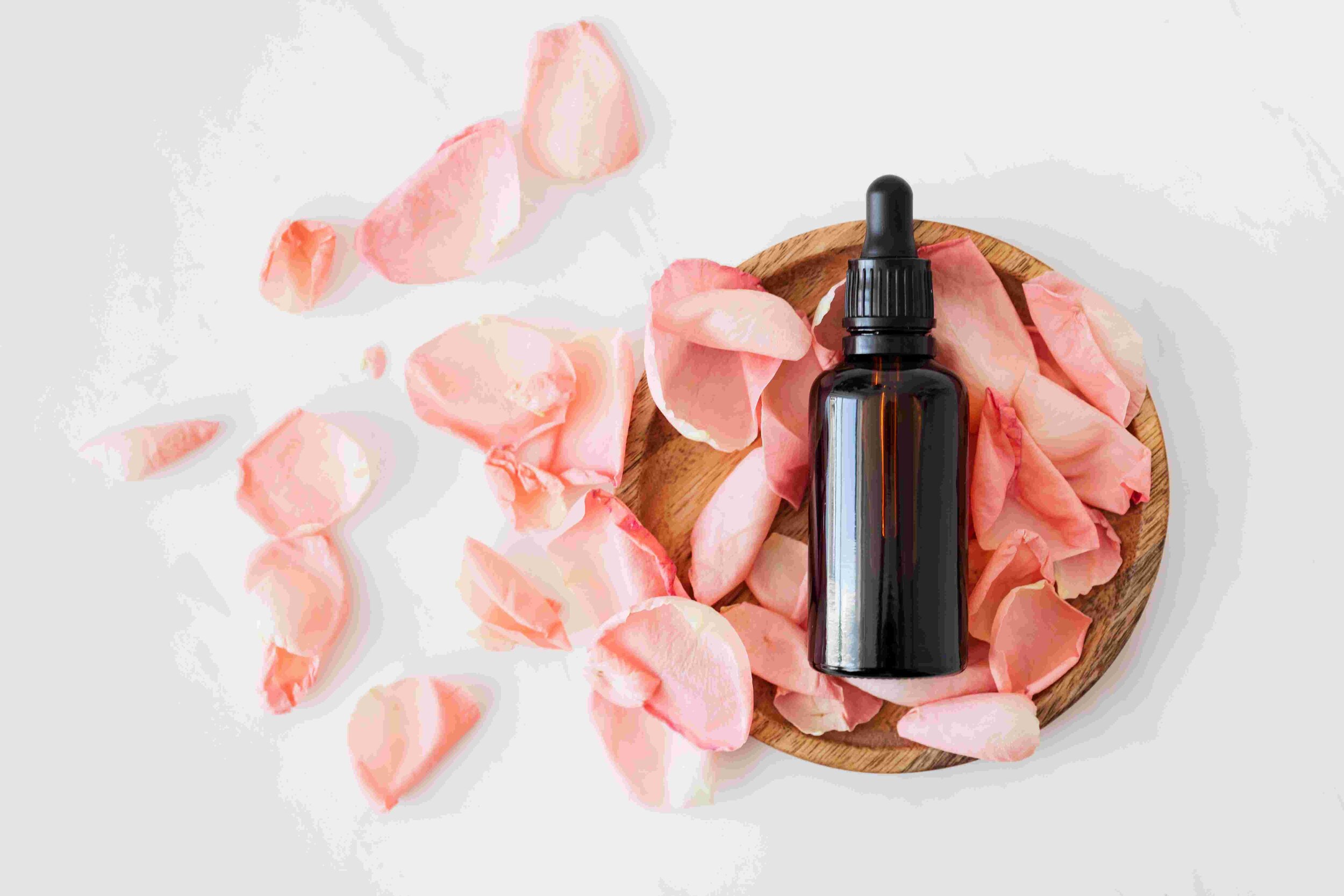
It’s that time of year when everyone starts to notice their skin drying out. That dewy summer feel to the skin has faded to be replaced with flaking, cracking and dullness for a lot of us.
Here are some of my favourite natural options to apply to dry skin:
Cocoa butter and/or shea butter: These ingredients have been used for ages in climates where the weather is dry. They create a great protective barrier to keep the skin hydrated and soothe cracks. In the raw form, these butters are quite solid and require heat to make them easier to spread. Luckily, there are a lot of products out there that blend these butters with other natural ingredients to make them spreadable.
Olive Oil: Sometimes I prefer to moisturize with oil rather than creams. Coconut oil is often not hydrating enough for many people. Olive oil can be more hydrating for dry skin. I like to add nice smelling essential oils to olive oil to mask that olive smell.
Hempseed oil: Hempseed oil is very hydrating. It’s rich in healthy fats and can hydrate even the driest skin types. There are many great products out there that have hempseed oil in either cream or oil format.
Dry skin can be a simple fix or it can require deeper work if it’s related to skin conditions like eczema and psoriasis. Because there is such a strong connection between skin health and stress/ anxiety, I end up treating a lot of patients with problem skin. Not all topical options are a good fit for everyone or for every part of the body. Be sure to talk to your naturopathic doctor if you need help with improving the health of your skin.

Stress and Probiotics: Another Study Showing the Link

Our gut is supposed to have a healthy amount of good bacteria in it. Many things can disturb this balance and probiotics are one of many ways to get gut health back on track. This is important for digestive health, but it can also be important for mental health.
In 2018 a study was published in the Clinical Nutrition journal that aimed to find out if probiotics can help reduce stress, anxiety and their negative effects on the mind. About 100 stressed out adults were either given a specific probiotic to take for 12 weeks or a placebo. They were given questionnaires to measure their stress and anxiety levels before, during and at the end of treatment.
The researchers found that the adults taking the probiotic had reduced stress and anxiety levels by week 4. By week 12, signs of inflammation in the body reduced in these adults as well. Memory and certain cognitive skills also improved. These changes were significantly different from the adults taking a placebo who did not experience the same levels of improvement.
As I always say, the link between gut health and mental health is a booming area of research that is full of promise. This study is yet another reminder that we need to think bigger and think outside the box when it comes to managing anxiety and stress. It’s also a reminder that different systems in our body are deeply interconnected and should not be treated as if they’re in independent compartments.
If you want to stay up to date about other great discoveries in natural medicine, be sure to sign up to my mailing list with your email address by clicking below.

Acne: Get Help for Stressed Out Skin, Naturally
Stressed out skin seems to be on the rise right now. With masks, higher stress levels and changes to daily routines and diet patterns, more patients are coming to me complaining about new or returning acne.
Luckily with a combination of face and body acupuncture, dietary tweaks, skin care regimens, a stress management plan and other natural remedies, we can usually get the skin back to a healthier state.
Tips for Acne Prevention
It’s super important that face hygiene is taken seriously to prevent acne. In addition to a good skin care plan (inside and out), these are the other steps that you should be thinking about:
Wear a clean mask: Many patients are noticing breakouts in the “mask area” of their face and also between the brows. Wearing a clean mask may help prevent this (plus it’s also important for infection control in general).
Don’t touch or pick your face: patients have told me that since they’ve been working from home, they’ve been resting their face on their hands more or touching their face more than usual. This can lead to breakouts.
Keep makeup brushes, face towels and your phone clean.
Try to change the side of your pillowcase every night: use one side, flip it for the next night, turn it inside out for the next night and flip it again for the fourth night - then change the pillowcase.
Don’t let your hair get too greasy. If it is greasy, take steps to prevent strands from touching your face.
Get Your Acne Under Control
If your skin is in need of some help right now, book a free 15 minute consultation and we can go over how I can help you.

Caffeine in Green Tea

People ask me all the time about the caffeine content of different beverages. Some people are really sensitive to caffeine and notice a major change in anxiety and sleep patterns from just a small amount. Others are less sensitive. Both coffee and green tea can be a source of comfort and enjoyment for a lot of people and they both have some health benefits.
How Much Caffeine is Too Much?
Health Canada recommends that adults limit their intake of caffeine to no more than 400 mg of caffeine daily. This amounts to about 3-4 cups of brewed coffee assuming that each cup is 8 oz. This limit is lower for pregnant people and children/teens. Of course, the caffeine content of a beverage varies widely depending on how it’s prepared.
How Green Tea Compares
Green tea usually has less caffeine than coffee. While 8 oz of brewed coffee can have 95-135 mg of caffeine, 8 oz of green tea has about 30 mg. Decaf coffee is not completely caffeine free but it usually has less than 5 mg per 8 oz. Decaf green tea usually has little to no caffeine.
Take a look at your caffeine intake and calculate how many milligrams of caffeine you consume in a day!
If you don’t want to miss useful tips like this, join my mailing list to get them sent right to your inbox. Click HERE to join.

Men and Mental Health: A Silent Crisis

Many of my male patients have told me that they feel like mental health issues among men are not talked about enough. The rates of conditions like depression and anxiety are rising among men. Certain mental health conditions have been more prevalent among women but the gap between the amount of men with mental health disorders like depression compared to women is decreasing. In Canada, 4 out of 5 suicides are men (CMHA). 1 in 10 men face depression during their lifetime (CAMH). 1 in 6 men face anxiety during their lifetime (Anxiety Canada).
A Men’s Health Issue
Many scholars believe that men are less likely to report issues with their mood or anxiety levels and are more likely to underemphasize the severity of their symptoms. Men may tend to focus on the physical aspects of their mental health conditions (like pain and digestion issues) and ignore psychological symptoms like sadness, worry and panic. Data also suggests that emotional suffering may look different in men and may present as anger, irritability and alcohol or drug overuse. So men are dealing with underreporting and underdiagnosis of mental heath issues.
Some men do recognize that they need mental health support but I’ve often been told by my male patients that they’re not satisfied with the professional care they’ve received in the past. It’s interesting to note that health care providers have been found to be less likely to spend as much time focusing on psychological concerns with men.
Society’s Role
Societal norms (such as certain beliefs about masculinity) are believed to be part of the reason why men are less likely to recognize and seek out help for things like anxiety and depression. An interesting 2018 research review noted that men are often blamed and considered stubborn for not seeking help but this view can be a form of “victim blaming” that ignores the role that culture and society play in influencing a man’s decision to get mental health support. This paper also noted that there may be a lack of sympathy for men struggling with their mental health (PMID 29673270).
Mental Health Resources for Men
I work with many men and women who are trying to manage their anxiety and I’m passionate about creating an environment where everyone feels like they can talk about whatever concerns are troubling them without fear of judgement or stigmatization. I’m hoping that with the right research and public health action as well as individual action, we as a society can start helping men feel more supported with their mental health.
Here are some great mental health resources for men: