
Blog

My Favourite Meatless Meals

A number people ask me about how they can moderate their meat and animal product intake and try more vegetarian or vegan meals. I incorporate a lot of vegetarian or vegan meals into my diet. Meatless meals are a pretty popular topic right now. There are so many new meatless food creations out there. My personal preference is to keep my meals full of whole foods that are not heavily processed and that are affordable. It’s also important that vegetarian meals contain an adequate amount of protein.
Below are four of my go-to vegetarian/ vegan meals.
Vegetarian Chili by The Endless Meal
https://www.theendlessmeal.com/easy-vegetarian-chili-recipe/
This chili is super filling and flavourful. I add a third can of beans to increase protein content and add extra texture.
Kale Lentil and Quinoa Stew by Detoxinista
https://detoxinista.com/lentil-kale-quinoa-stew-vegan/
I assumed this recipe was going to taste boring because quinoa and kale aren’t my favourite foods but it’s actually delicious. This recipe is pretty perfect as is so I don’t modify it. I use regular canola oil if I don’t have coconut oil on hand.
Vegetable Panang Curry by Contentedness Cooking
https://www.contentednesscooking.com/vegetable-panang-curry/
I make a bunch of substitutions to this recipe to make it easier and to suit my preferences. I replace the mixed vegetables with a whole bok choy. Instead of using 4 tbs of red Panang curry paste, I just use a whole bottle of Thai Kitchen’s red curry paste (112 g). Out of the optional ingredients, I use cashews (I just throw them into the pot without cooking them in the way the recipe says) and maple syrup (but it tastes fine without maple syrup too). For added protein, I toast two containers of medium firm tofu on the side, seasoning with soy and Worcestershire sauce, and add them to the pot towards the end of cooking.
Mexican Quinoa by Damn Delicious
https://damndelicious.net/2014/04/09/one-pan-mexican-quinoa/
For this recipe I use regular diced tomatoes (instead of fire roasted), regular salt and no jalapeno or cilantro and it still tastes great.
The Indian/ West Indian diet that I grew up with is full of protein rich vegetarian meals. I hand wrote these recipes while my mom taught me how to make them (and I’m still working on getting them to taste as good as her versions), but I’d be happy to share the recipes with anyone!
As we’ve all heard before, food can be medicine. To learn more about the connection between food and your mood, read my article on this topic by clicking HERE.

How to Test and Track Your Stress Levels
You would think we would be good at telling when we’re stressed out or not. You would be surprised at how many of my patients take a long time to realize their minds and bodies are under high stress. Being in a state of stress can become a part of your new normal making it harder for you to recognize stress in your life.

You would think that we would be good at telling when we’re stressed out or not. You would be surprised at how many of my patients take a long time to realize their minds and bodies are under high stress. Being in a state of stress can become a part of your new normal making it harder for you to recognize stress in your life.
It can be helpful to have a way to assess your own stress levels and monitor your fluctuations in stress over time. It can help you determine if a worsening of symptoms (like worsening IBS, acne or arthritis) is happening at the same time as a worsening of stress. This can help you and your health care providers decide if more emphasis needs to be placed on coming up with a better stress management plan for you.
Stress Quizzes
It can be hard to understand stress symptoms. That’s why scientist have developed tools to help with figuring out your stress levels. These tools are widely available for free online. The Perceived Stress Scale and the Perceived Stress Questionnaire are both validated tools for measuring stress levels. These tools are often used in research studies. For something simpler (although not validated in research), you can do the What’s Your Stress Index quiz put together by The Canadian Mental Health Association by clicking HERE. Of course, on their own, these tools don’t replace medical advice but they’re great to bring into your appointments with your naturopathic doctor and family doctor.
Cortisol
Some of my patients ask me about the value of lab tests for measuring stress levels. There is some evidence that measuring cortisol (often called a “stress hormone”) can help with assessing stress levels. An interesting point is that sometimes cortisol levels don’t match up perfectly with perceived stress levels. For example, a patient may feel like they are not stressed out but when they measure their cortisol levels, they are high. Speak to your naturopathic or family doctor to help you decide if and when this test could be useful to you.
In the pre-COVID-19 world, I created a 4 week program to help bring some stress relief to my patients. The program was originally designed to be done alongside acupuncture. I have now modified it so that it can be done virtually without acupuncture if needed. If you would like to learn more about the 4 Week Stress Release click HERE.

Zinc for Acne and Mental Health
Do you get pimples every time you’re anxious? For many of my patients, when they are experiencing depression or anxiety, that’s when their skin is at its worse.

Do you get pimples every time you’re anxious? When this happens, it can be extra frustrating. Not only do you have to deal with anxiety but now you’re faced with blackheads, cystic acne and acne scars. For many of my patients, when they are experiencing depression or anxiety, that’s when their skin is at its worse.
There are so many reasons for why the skin misbehaves when we’re not feeling great emotionally. When you’re feeling down you may eat differently, you may change up your skin care and hygiene practices, you may exercise less. On top of all this, changes in hormones and other biological factors could increase your chances of breaking out during emotionally tense moments in life.
Zinc is an important nutrient for the skin and for mental health. It’s found in our diet in pumpkin seeds, chickpeas, poultry and many other foods. Some studies have been able to show a connection between zinc supplementation and reduced depression or anxiety symptoms. Other studies have found a connection between zinc and reduced acne.
In my practice, I have found that zinc supplementation alone is often not enough to treat acne, anxiety or depression but it has been useful in some cases when I add it on to other recommendations. Zinc could be an important part of your plan to mange anxiety, depression and acne. Working with your naturopathic doctor to figure out the right dose to maximize effectiveness while decreasing side effects is important (zinc is known for causing an upset stomach at higher doses).
Working in the area of stress and mental health, I often end up treating patients who are also struggling with acne. That’s because mental health and skin health go hand in hand. If you find that you can relate to this, reach out to me and we can talk about some options for getting you clear skin and a calmer mind. To contact me with questions, fill out the question form on my website by clicking HERE.
A Key Trick for Easing PMS
Most of my patients with anxiety tell me that the time before their period is extra difficult. This is a time when already high anxiety levels can soar even higher and mood can plummet. For some women, they feel great all month long and then the week before their period, they feel like a different person.
A big stumbling block for women is that they wait until they’re in the middle of their premenstrual woes and then start looking for way to manage their symptoms. A better approach is to start preparing in advance. I see a huge difference in my patients who start preparing for PMS before symptoms actually start.
This takes planning. It’s easy to forget about how bad PMS can get when you’re not in the middle of it – so it’s easy to forget to prepare. But preparation is key. For example, if you’re taking certain supplements for your PMS, consider starting to take them the week before your PMS symptoms start. If that doesn’t work, you may need to start taking them earlier. Work out a plan with your naturopathic doctor.
If anxiety is an issue for you around the time of your period, consider adding certain foods into your diet before your PMS time comes a long. For a list of foods that can help you with anxiety click HERE.

Feeling Nervous? Lavender May Help
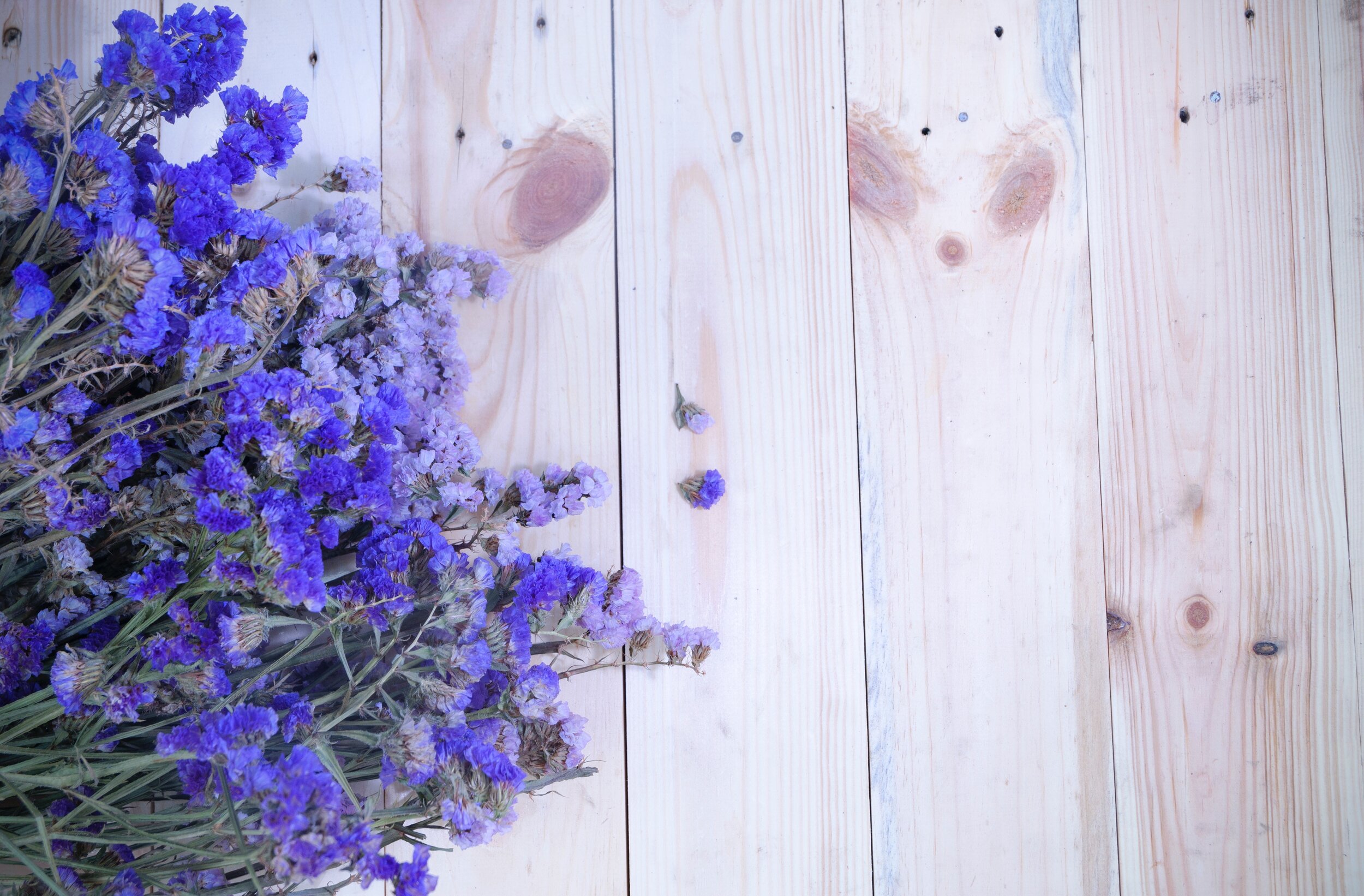
When you’re feeling nervous and scared, you want to make use of as many tips and tricks as you can to feel more at peace. Simple tips that you can add into your day can make a surprising difference.
Lavender was historically used to help people fall asleep. People would put a few pieces of lavender under their pillow before bed in the hopes of having a better night’s rest. Lavender may also be helpful for reducing symptoms of anxiety. Aromatherapy using lavender essential oil is a super easy way to make use of this herb during times of stress and anxiousness.
Most of the research on lavender aromatherapy is in hospital settings. Small studies have found that it can help calm anxiety before operations, during labour or before medical tests. That being said, many patients find it useful in other anxiety-provoking situations like going into a meeting or during a tense day.
The nice thing about aromatherapy is that it’s easy to do and it’s relatively safe as there are fewer concerns about interactions with medications and health conditions (although you should always double check with your naturopathic doctor). You don’t even have to get an expensive diffuser. You can just put a few drops of lavender essential oil on a cotton ball and keep it near enough to you that you can smell it.
It’s one small thing that can be added into your life to bring you some inner calm. For a list of foods that can help reduce anxiety levels, click HERE.
How to Talk Yourself Through a Panic Attack
A panic attack is one of the strangest sensations out there and it can feel different to different people. Some of the more common symptoms are: a racing and heavy heartbeat, feeling like you’re not getting enough air and feeling like something terrible is happening to your body. Others report sensations like feeling like you’re in a dream, feeling detached from situations around you, feeling physically week and chest pain. It’s important to be assessed by a healthcare provider to rule out other conditions if you experience what feels like panic attacks.
There are a number of techniques that can help calm a panic attack. Talking yourself out of panic is a really valuable one. It’s important to plan what you’re going to say to yourself ahead of time. Write down or memorize your self-talk when you’re not having a panic attack. Also remind yourself of the resources you can always turn to if needed (like a doctor, therapist, crisis number, hospital, trusted loved one etc.).
Write down or memorize simple things you can say to yourself that you actually believe. So, if saying “just stay calm, it’ll be ok” to yourself is unhelpful to you, pick something else. Here are some favourites:
This feels exactly like my other panic attacks. It’s nothing new. I can handle it.
These feelings won’t last forever. They’ll pass like they always do and I will be fine.
Feeling like something bad is going to happen is a common feeling in a panic attack. It doesn’t mean that it’s true.
I don’t need to fight this panic attack. It’ll come and it’ll go. I’ll sit with the feelings knowing they can’t hurt me.
Most panic attacks don’t last long even though they feel like they do in the moment. For more free tips on getting through anxiety and panic click HERE.
Focus on Mental Health to Reduce Heartburn

Heartburn from acid reflux or GERD (gastroesophageal reflux disease) can seriously interfere with your quality of life. It can make the very thought of eating or drinking a trigger food a source of distress. Going to bed at night can start to become something you dread because you know a burning stomach and chest will be keeping you up for a large chunk of the night. Not only are these symptoms annoying, acid reflux can lead to inflammation in the esophagus which, if left unchecked, can have more concerning consequences.
Acid reflux is often a stubborn thing to manage. It requires tackling the situation from a number of different angles. Mindfulness mediation is one of those angles that is starting to be explored by researchers. While there are multiple promising studies on mindfulness for IBS, research on how mindfulness can improve acid reflux symptoms is still emerging. Hopefully more, larger studies will be coming out in the near future. That being said, there is minimal risk in starting mindfulness meditation, and much to be gained even beyond potential benefits to your reflux symptoms.
A number of studies have found an association between acid reflux symptoms and anxiety. Researchers are proposing that stress and anxiety management should be included into treatment plans for acid reflux. As a naturopathic doctor with a practice that focuses strongly on mental health, I constantly see improvements in digestive symptoms when strategies like mindfulness meditation are prescribed to patients.
But how can stress and anxiety lead to acid reflux? Acid reflux can happen when the barrier between the stomach and the esophagus is not working well enough. The barrier is not doing a good job of staying closed when it should, so acid sloshes back up from the stomach to the esophagus. It’s possible that increased anxiety and stress can interfere with the effectiveness of this barrier. High stress and anxiety could also make you more sensitive to the sensation of acid in the esophagus.
In practice, I encourage all of my patients with these symptoms to practice at least 10 minutes of mindfulness meditation and deep belly breathing daily. I also encourage additional meditation or belly breathing during episodes of heartburn. When combined with other recommendations, adding stress management into the mix may be a key way to get a better handle on heartburn.
Join my mailing list to get awesome health articles delivered right to your inbox. Plus get my FREE list of 5 things you can do to optimize your health right now.

Melatonin for Sleep: What You Should Know

It’s not fun to struggle with sleep. Not being able to get a good night’s sleep can have a serious impact on your quality of life. Melatonin is a popular sleep aid that many turn to as a solution to their sleep woes. Melatonin is a hormone that is produced in your pineal gland (part of your brain). The production of melatonin is controlled by the level of light and darkness in the environment. Typically, melatonin release starts shortly after the sun sets. It tends to peak in the very early hours of the morning (e.g. 2-4 am) and then starts to decline. Light (especially blue light) blocks the production of melatonin. In addition to regulating sleep, melatonin plays a role in many other functions in the body. It’s a potent antioxidant and it regulates functions like immunity, energy, metabolism, mood and the activity of hormones. Below are some important facts about melatonin.
Effectiveness
Most of the evidence around melatonin shows that it can be helpful for those who have a biological clock that is thrown off. This includes people dealing with jet lag and night shift workers. There is also some evidence that it can help people who have insomnia for no particular reason (primary insomnia) by slightly decreasing the time it takes to fall asleep, improving sleep quality and increasing morning wakefulness. The effectiveness of melatonin can increase over time and then may eventually hit a plateau after several weeks.
Melatonin and Age
As we age, we start producing melatonin later and later after sunset. The peak levels of melatonin in the body also decreases with age. For this reason, scientists believe that melatonin may work better in people over 50 years of age compared to younger people.
Prolonged Release Forms
Melatonin can often be found in two different forms: regular and prolonged release. When you take regular melatonin orally, it tends to peak pretty soon after you take it (e.g. an hour). The levels spike higher than what your body would naturally have produced and then they quickly start to decrease. Experts have found melatonin levels can drop back to baseline anywhere between 2-8 hours of taking it. With prolonged released forms, the melatonin levels in your body rise more slowly, don’t go as high and drop back down more slowly. Some patients experience better results with prolonged release forms although more studies are needed to verify this difference in effectiveness.
Dosing
Typically, 1-5 mg doses are used (more is not better when it comes to melatonin supplements for sleep). People often take melatonin at the wrong time. In most research studies, melatonin is taken 30-60 minutes before bed.
Side Effects and Safety
Many people tolerate melatonin well without any side effects, but side effects are still possible for some people. Melatonin can cause vivid dreams and nightmares in some individuals. It can also cause grogginess the next day as well as headaches. I tend to avoid melatonin in patients with depression as it has been associated with transient depression and worsening current depression. Melatonin also interacts with a number of different medications, supplements and health conditions so it’s important to speak to your naturopathic doctor and medical doctor prior to taking melatonin. The safety of taking melatonin continuously long term has not been well studied. This is why I always discuss with my patients about how long and how often we will incorporate melatonin into their plan.
Managing Your Sleep Beyond Supplements
Treating sleep difficulties involves more than just a sleep supplement. A well-rounded approach is required. Underlying conditions like anxiety, depression, thyroid disorders and sleep apnea need to be ruled out or treated. We also need to focus on other factors that can enhance sleep like specific behaviour changes and certain nutrition and lifestyle recommendations. I often find it helpful to incorporate other treatments like acupuncture for my patients with insomnia.
Good sleep affects every aspect of your health. Getting your sleep corrected can be a gateway to vastly improving the quality of your life.