
Blog
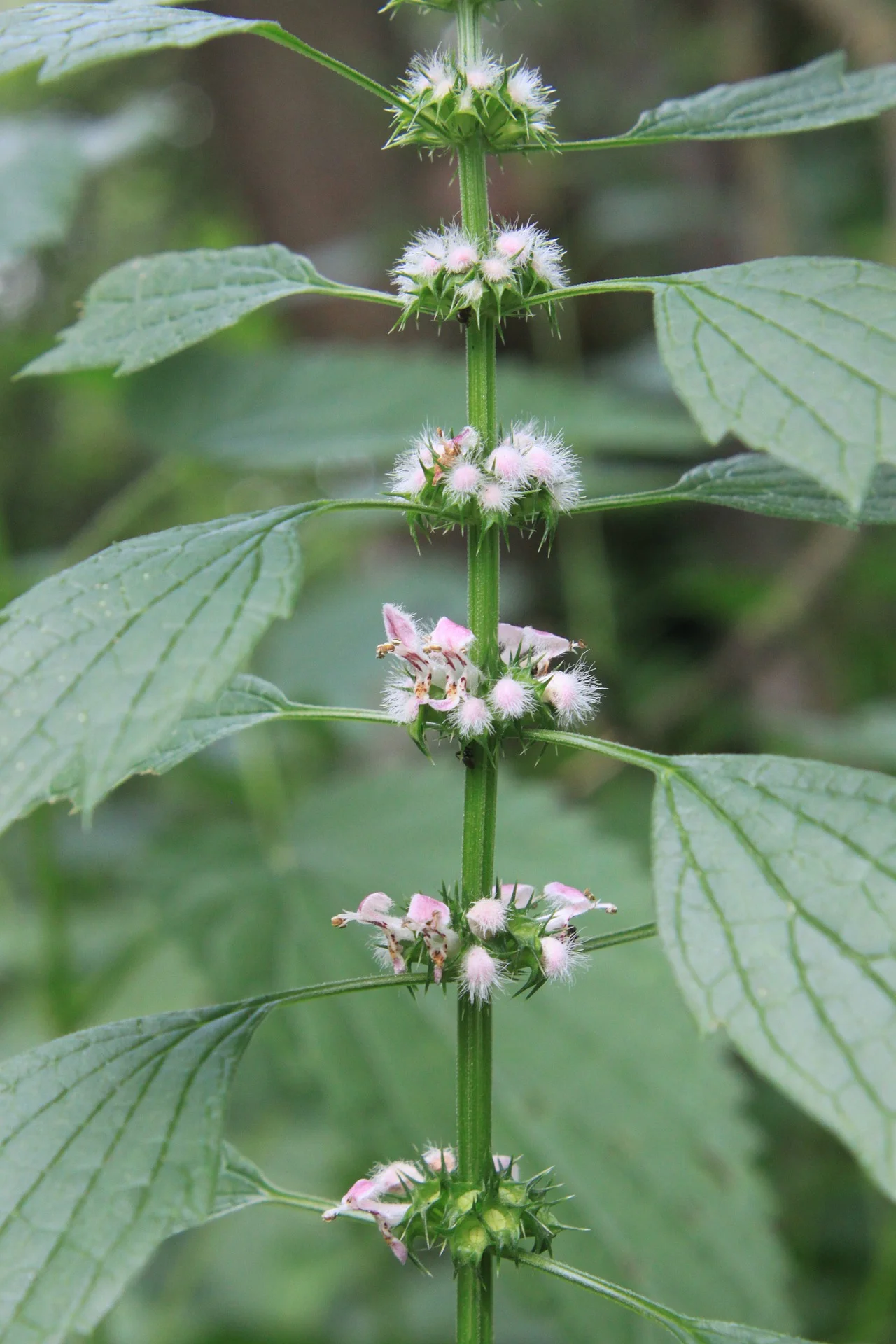
Historic Herbs: Motherwort for High Blood Pressure
This is the fourth article in my historic herbs series. To read the previous article click here.

Motherwort (Leonurus cardiaca) is native to Europe and Asia. Now it grows in many places including North America. Historically, it was used for nervous and depressed people to calm the mind and boost the mood. It was also used for heart complaints. This included irregular heart beats, poor circulation and chest pain. It was often given to irritable and anxious people with troubles sleeping. Many of these symptoms are common in hyperthyroidism. It can be used to improve symptoms for hyperthyroid patients.
Motherwort appears to have blood pressure lowering properties. There is research showing that it can lower blood pressure by a significant amount. Results showed within a month of treatment.
It has another, female-specific use as well. Historically, motherwort was used for women who had late or no periods - especially if it was due to stress. It helps to stimulate periods.
The thing about motherwort is that sometimes it can take months for the calming effects to kick in. You need to be patient. However, the beauty of naturopathic medicine is that different treatments can be combined. This can produce stronger or faster effects. I find that blood pressure often improves with an individualized combination of treatments. The right herbs, diet/ nutrition, lifestyle changes and sometimes acupuncture can get results.
Like many herbs, motherwort may interfere with medications and certain health conditions. Always talk to a naturopathic doctor before trying new herbs. If you need help lowering your blood pressure, book and appointment or free 15-minute consult today.

Hormone Testing with a Naturopathic Doctor

Hormone testing can be helpful in guiding treatment plans in some cases. It can tell you which hormones are higher than ideal, which ones are lower than ideal and which ones are normal. This can tell me which herbs, nutrients, dietary and lifestyle changes to recommend. Sometimes it’s obvious what needs to be worked on and we can skip testing. Sometimes it’s not as clear and testing provides guidance.
Cases that I may use hormone testing for are:
- Periods that are irregular and difficult
- Menopause that isn’t responding well to my usual treatments
- Challenging PMS cases
- Difficulty losing weight when there is a suspicion that hormones are involved
- Major fatigue, brain fog and other symptoms when there is a suspicion that hormones are involved
There are different ways that I test hormones. One way is the usual blood test that most family doctors do as well. Another other option is to test saliva. There are pros and cons to both.
Blood Tests
Blood hormone tests have been accepted by the medical community for longer than saliva tests. There is a good amount of research supporting them.
Some MDs and NDs have raised concerns about only relying on blood tests for hormones. Sometimes blood test levels and saliva levels line up with each other. Other times I find that patients with normal blood test levels have saliva levels that are not ideal. These saliva levels often match with the symptoms the patient is experiencing.
Saliva Tests
In order for hormones to enter saliva, they may need to travel into cells/ tissue first. This may not be the case for hormones in the blood stream. Some think this means saliva better reflects the levels of hormones that are actually acting on your cells/ tissues. I won’t be able to explain all the biochemistry here. You should know that research on saliva testing is still ongoing. Opinions on it may change in the future.
Insurance Coverage
It used to be that tests run by naturopathic doctors were not covered by insurance companies. Lately, more insurance companies have been covering testing. The only way to know for sure is to contact your insurance company and ask.
If you need some help managing your hormones book an appointment or free 15-minute consult today.
What’s Your PMS “Type”

Important note: this article outlines a concept that is not supported by current evidence. I included it here for informational purposes only.
If you think about it, a difficult period can cast a shadow over half of your adult life (before menopause). One half of your month may be perfectly fine. You almost forget about any period woes. Then, a week of uncomfortable premenstrual syndrome hits. Then comes another week of cramping or heavy bleeding. Some people have irregular periods or prolonged PMS/ bleeding. For these women even more than half of their month is difficult.
Whether your PMS symptoms are “in your head” or very much physical, they should be treated. First, because they make it hard to make the most out of life. Second, because it may be your body trying to tell you that something is out of balance.
The concept of different types of PMS was popularized by a medical doctor named GE Abraham in the 80s. He was well known for his research in women's health. He was also a big believer in the power that nutrition plays in premenstrual syndrome. Below I’ll mention his four different types of PMS. It may be interesting to see which category you fall under.
PMS – A
The “A” here stands for anxiety. If you have this type of PMS you’re anxious and irritable before your period. This is the most common type of PMS. These women may have higher than ideal levels of estrogen, and sub-optimal progesterone.
PMS – B
This is the bloating type of PMS. If you have this type, you retain a lot of water during your PMS. You feel swollen, bloated and breasts feel more painful and full. Adrenal hormones may be off balance here.
PMS – C
This type of PMS is associated with food cravings (especially for sweets). Appetite may be high. You may also have symptoms of dips in blood sugar. This includes headaches, fatigue, racing heart and feeling shaky. Low prostaglandin levels have been blamed for this as well as nutrient deficiencies.
PMS – D
“D” for depression. You feel low mood when you experience this type of PMS. You may also have brain fog and feel tearful. This type has been associated with low estrogen and high progesterone.
Many women have symptoms that show up in different categories and don't have one type of PMS. However, some women find GE Abraham's categories make sense for them. I will say that I’ve seen many of my patients’ PMS symptoms improve with herbs, nutritional support and lifestyle changes. The protocol varies depending on the symptoms they’re experiencing.
If you’re ready to take back your month book an appointment or free 15-minute consult today.
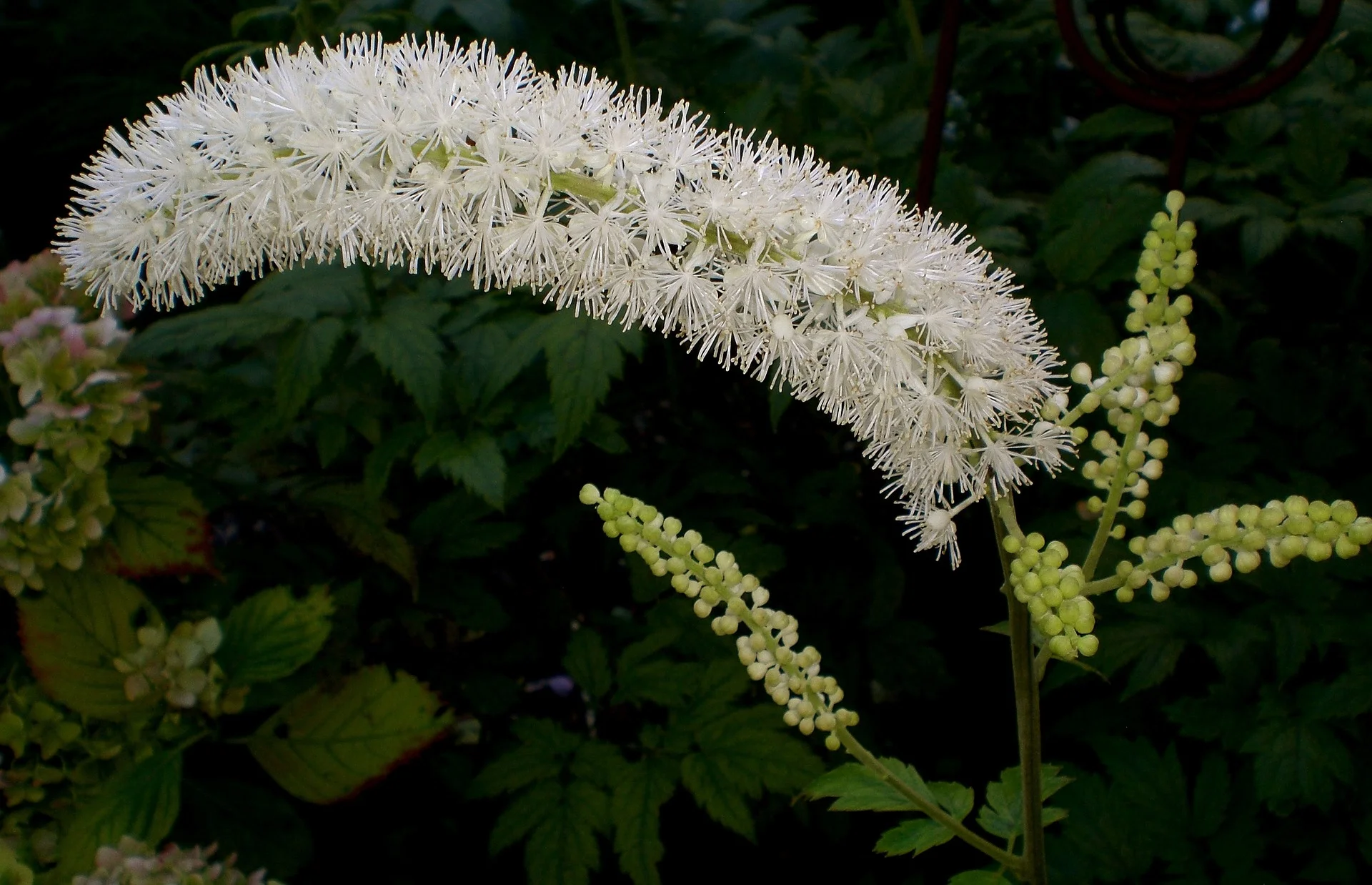
Historic Herbs: Black Cohosh for Women’s Health
This is the third article in my historic herbs series. To read the previous article click here.

Black cohosh is also known as Cimicifuga racemosa or Actaea racemosa. It grows wild in North America – including right here in Canada. Native Americans used it throughout history and later, Europeans started using it. Historically, this herbs was used for pain. It was also used for periods that were irregular, too light or late. The roots of the herb are the parts to use.
One common use for this herb is for preventing period and ovulation cramps. Like most natural remedies, it should be taken before the cramps start. If the cramps have already started, it is less likely to be effective. It may work by calming spasm in the uterus and reducing inflammation.
Black cohosh was also a remedy for premenstrual syndrome. It has calming properties and may improve low mood. It also has estrogen modifying effects and may reduce menopausal symptoms. It was a choice remedy for both physical and emotional menopausal symptoms. It can take a few months to work for menopause.
In the past, this herb was often used for muscle, joint and nerve pain. This includes arthritis and sciatica. In modern times, this use of the herb is often forgotten about.
It was common to use black cohosh in the past to assist with childbirth. Today it's not considered safe in the first trimester of pregnancy. Currently there is not enough evidence to support the safety of using this herb for labour. It's not safe to take this herb if you have certain medical conditions or are on certain medications.
Many of the longest studies on black cohosh are 6 months so it's advised to not take this herb longer than 6 months.
If you need help with women's health concerns book an appointment or free 15-minute consult today.

Improving Low Mood and Depression

I see many patients struggling with low mood and depression. Feeling down can greatly interfere with your quality of life. Below, I talk about the different ways naturopathic medicine can help.
Herbs and Supplements
There are many ways that herbs and supplements can improve low mood and depression. Many act similarly to depression medications but with less side effects. Some can be combined with medications or other treatments. Sometimes they can be used on their own depending on the severity of the depression.
There is emerging research about the role that inflammation plays in depression. Certain herbs can reduce inflammation and improve mood scores.
Other herbs and supplements can act to balance hormones. This may be a good fit for you if you find that your mood fluctuates with your period. Menopause and changes in thyroid health can also lead to low mood. These are areas herbs and supplements may help with.
Believe it or not there is some research linking gut health to mental health. There are many herbs and supplements that can improve gut health.
Acupuncture
Studies have found that 4-8 weeks of acupuncture can reduce depression scores. It's safe to combine acupuncture with depression medication. It's also a great tool to use on its own. This is one of my favourite tools to use for anyone suffering with a mental health condition. If you’re wondering how acupuncture works, check out one of my previous articles here.
Lifestyle
There is a strong link between exercise and mood. There is also some connection (though not as strong) between diet and mood. Getting these and other parts of your life in order is important to address your low mood. Mindfulness and strategies to improve the way you think are some other tools I discuss with patients.
When you're feeling low, every area of life is affected. My passion is to get people to a place where they can cope with their moods to thrive in life as much as possible. If you would like to try naturopathic medicine for your low mood or depression book an appointment or free 15-minute consult.
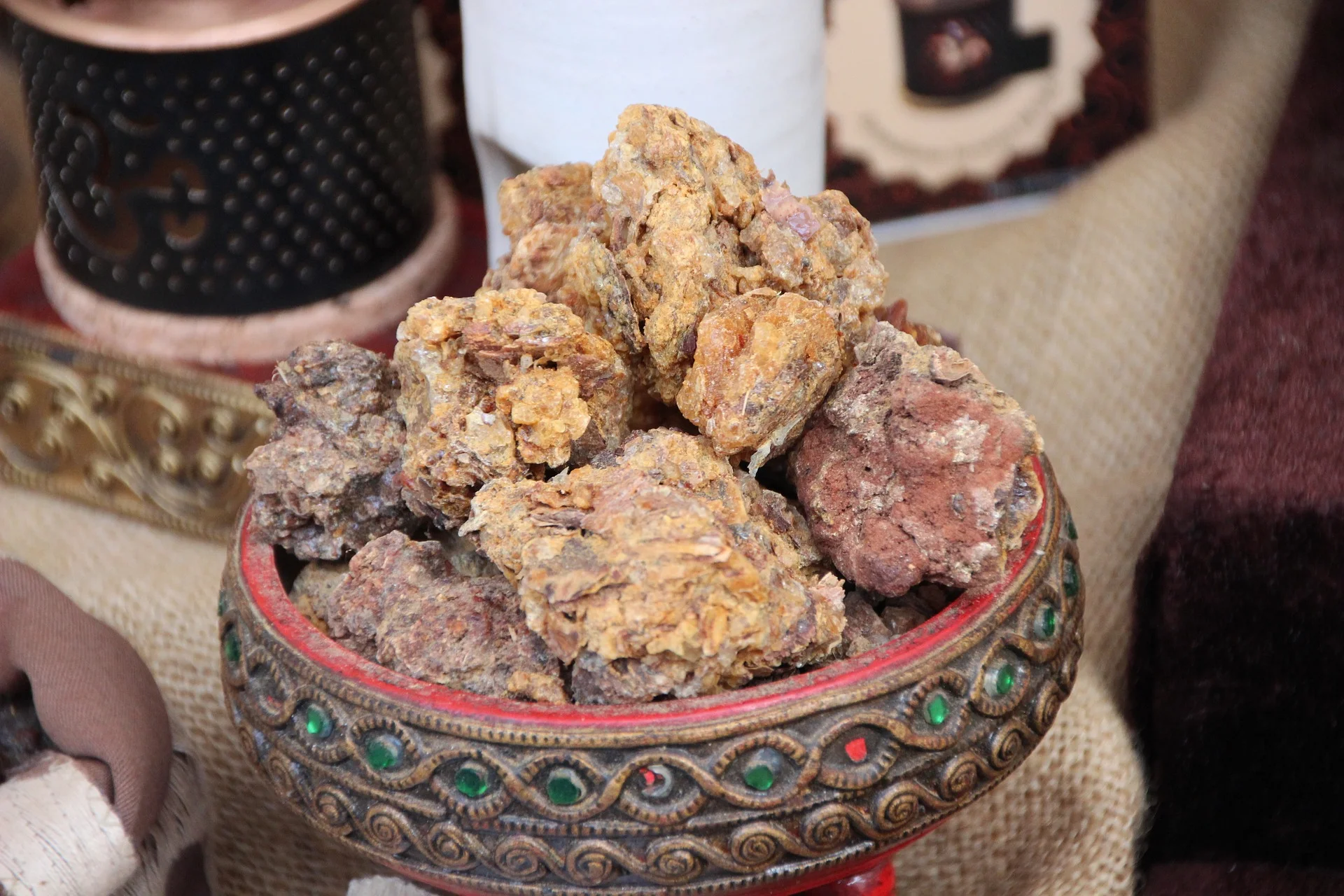
Historic Herbs: Myrrh for Infections and Immunity
This is the second article in my Historic Herbs series. To read the first article click here.

Myrrh (Latin name Commiphora myrrha) is a herb used by humans since ancient times. In the ancient world, it was revered as a perfume and used for incense and in religious ceremonies. The plant that it comes from grows in Africa and the Middle East. The part used is the gum from the plant.
My favourite use for this herb is for fighting off infections in the mouth and throat. It has antimicrobial, immune-boosting and anti-inflammatory properties. I like to use it during colds to help sooth a sore throat and fight off infection. In cases where there is a lot of phlegm stuck in the throat, myrrh may make it easier to cough it up. It has also traditionally been used in cases of gingivitis.
In herbal medicine terms, myrrh is known as a vulnerary. A vulnerary is something that speeds up the healing of tissues. An ailment myrrh tends to help with is cankers. It seems to speed up the healing of these stubborn, uncomfortable sores.
When applied topically on the skin it also has these healing properties. For this reason it can be helpful for boils.
There are certain preparations of myrrh that are better than others. There are also some conditions and medications that it may interact with. If you need guidance on how to safely use herbal medicine or other natural remedies book an appointment or free 15-minute consult.

Common Causes of Fatigue

Fatigue is one of the most common complaints I hear about. When I ask patients to rank their energy on a scale of 1 to 10 most people hover around 5 and would like to see their number go up. Fatigue could be a symptom of a huge range of causes from mild to serious. Today I’ll talk about some of the common causes that I see.
The Basics
Some causes of fatigue are simple to spot on a blood test. Examples are:
- low iron
- hyperthyroidism
- hypothyroidism
- low B12
Another basic cause of fatigue is poor sleep quality. This includes issues falling or staying asleep. This is an area that I like to work on with any fatigued patient.
Hormonal Health
Hormone fluctuations or imbalances can lead to fatigue. Some common examples are thyroid dysfunction, menopause and premenstrual syndrome. Other cases are more subtle. You may have completely irregular cycles or painful cramps but no specific diagnosis. Sometimes getting hormones back in balance can help with fatigue in these cases.
Adrenal Health
Naturopathic doctors talk a lot about a type of fatigue called adrenal fatigue. I like to call it burnout. The adrenal glands produce the "stress hormone" cortisol. The theory is that being stressed and busy all the time can push the adrenals to work too hard. Eventually they get overtired and you feel that as an energy crash. With adrenal fatigue, you feel tired but wide awake at bedtime. You feel irritable, frazzled or depressed. Your gut may be acting up and you may be experiencing cravings and weight gain. You also may find that you get sick all the time – or every time you’re on vacation. There’s more to the theory but I’ll dig into it in a future article.
Gut Health
Poor gut health can contribute to fatigue. This includes diarrhea, constipation, bloating, heartburn or anything else that involves the gut. A healthy gut means better nutrient absorption. It also means better elimination of toxins and waste products and improved vitality. Food sensitivities and poor diet have also been linked to fatigue.
Immune Health
Most autoimmune conditions are associated with fatigue. Some common examples are rheumatoid arthritis, Hashimoto's disease and Graves' disease. Hyperactive immune systems (think allergies and asthma) can also be associated with fatigue. Balancing the immune system is an important part of my treatment plan in these cases.
Mental Health
A less commonly discussed cause of fatigue is mental health conditions. Depression and even anxiety can significantly zap someone of their energy. It's important to address these causes of fatigue when needed. Treating these can improve fatigue more than any quick-fix energy boosting supplement could.
Fatigue is frustrating and getting a handle on it can improve your quality of life in so many ways. If you need help with your fatigue book an appointment or free 15-minute consult today.

How Does Acupuncture Work?
What is Acupuncture?

Acupuncture involves inserting thin needles into specific points on the body. This achieves a wide range of results. As a naturopathic doctor, I'm licensed to perform acupuncture. It's a tool that helps many people. Acupuncture has been relied on in the east for over 3000 years. Modern scientific research is only beginning to understand this treatment. There is still much that isn’t understood.
In the east, acupuncture sessions are often done many times a week. Most of my patients opt for less frequent visits. Usually we do acupuncture one time a week for a couple sessions. Then we start spreading out the sessions. Once treatment stops, effects usually linger.
In this article, I will explain how acupuncture may work in three different ways.
Chemical Explanation
Studies propose that acupuncture may alter neurotransmitter production. Neurotransmitters are things like serotonin (the “happiness chemical”) and norepinephrine (similar to adrenaline). Acupuncture may also alter brain and nervous system function. For this reason, acupuncture may be helpful for:
- depression, anxiety and other mental health conditions
- digestive issues
- high blood pressure and menopause
- insomnia
- immune health
Acupuncture may also improve blood flow to certain regions of the body. By doing so it can help with period cramps, digestive issues, migraines, pain and more.
Modern science doesn't fully understand why specific acupuncture points have these impacts. MRI studies have linked needling points to altered activity in different parts of the brain. Also points often are over nerve pathways. There is still much to learn.
Mechanical Explanation
In cases of pain management, acupuncture needles are often place near painful areas. They can be placed in muscle knots to release tension. Placing them around nerves can block pain signals that travel along the nerve. The needles may stimulate the release of pain blocking chemicals. This includes opioids and endorphins.
Traditional Explanation
Of course, before all these explanations there was a traditional explanation for acupuncture. The aim of acupuncture from this point of view was to ensure the healthy movement and amount of “qi”. Some think of “qi” as energy. If you have irregular periods the traditional explanation may be that you have blocked qi. If you get sick all the time it may be blamed on deficient qi.
Another goal is to balance yin and yang. Yang represents heat and energy while yin represents coolness, moisture and rest. Someone who is hypothyroid, cold all the time and exhausted may be diagnosed as deficient in yang. A constipated person with light or no periods may be considered low in yin.
The traditional explanation also involves improving the health of various organs.
This is an over-simplification but my aim is to just give you a very general understanding.
Would you like to try acupuncture for any of the conditions mention above? Are you wondering if something you’re suffering with could be treated with acupuncture? Book an appointment or free 15- minute consult to find out!