
Blog
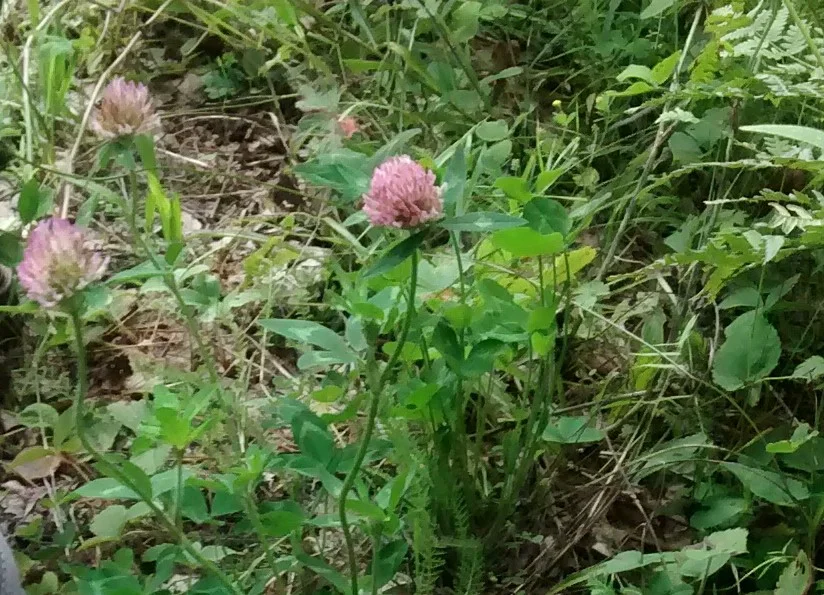
Historic Herbs: Red Clover for Hormone Balance and Detoxification

This is the first article in a series. In this series I'll discuss one of my favourite natural treatments – herbal medicine. You'll learn about herbal medicines that have been used throughout human history. There are so many herbs out there but I will pick some of my favourite ones to talk about.
Red clover (Latin name Trifolium pratense) is part of the legume family (like soy beans). Historically, it was used for conditions like asthma and bronchitis. This is because it seems to relax the airways to ease coughing. Today it’s more often used for hormonal imbalances.
In traditional herbal terms, red clover is an “alterative”. This means that it cleanses and detoxifies the system. For this reason, it has traditionally been used for skin conditions. I’ve seen results with this herb for clearing up eczema and acne.
Today red clover is most well known as a treatment for menopausal symptoms like hot flashes. Red clover contains phytoestrogens which are compounds that balance estrogen levels. The research is mixed on how well it works for menopausal symptoms. I have found more success with other treatments.
This herb grows right here in Canada. The picture that goes with this post was taken in a forest near Barrie. It also grows in Europe and Asia.
Like all herbs, red clover is not for everyone. There are certain conditions and medications that it interacts with. If you need guidance on how to safely use herbal medicine or other natural remedies book an appointment or free 15 minute consult.

What does it mean to treat the “root cause”?

Treating the root cause is a phrase that many people in the holistic health community use. It can be used so much that we lose track of the meaning. Basically, treating the root cause means treating the cause of the symptoms. The opposite to this is just treating the symptoms. Even this explanation can seem like empty words that are hard to understand. I think the best way to explain this concept is through examples. Below I discuss three examples. I explain how you would treat the symptoms of a condition vs. how you would treat the root cause.
In the holistic health world, treating the root cause is praised highly. Treating symptoms is often frowned upon. A tree in a garden benefits from having both roots and branches tended too. Similarly, good health care should involve treating both root causes and symptoms. As a naturopath, my approach is to address both using gentle and natural remedies.
Case 1: Acne
Treating the symptoms:
- Applying antibiotics or antimicrobial products to the skin
- Taking antibiotics or antimicrobial pills
- Medications like Accutane which alters the skin to reduce acne
Treating the root cause:
Addressing why the skin is vulnerable to being infected by acne causing bacteria.
- Balance hormones like androgens, estrogen, stress hormones etc.
- Improve gut health and detoxification
- Balance blood sugar
- Consider food sensitivities and dietary changes
- Reduce inflammation
Case 2: Arthritis
Treating the symptoms:
- Taking anti-inflammatory medications or supplements
- Applying anti-inflammatory medications or natural products to the painful area
Treating the root cause:
Treat what is causing the inflammation and poor joint health.
- Balancing the immune system
- Addressing diet for inflammation and joint health
- Improving joint health with minerals and other supplements
- Addressing structural issues through physiotherapy, chiropractic care, massage etc.
- Reducing toxic load
Case 3: Digestive Problems (Constipation, Diarrhea, Heartburn, Crohn’s etc.)
Treating the symptoms:
- Laxatives, drugs to stop diarrhea
- Drugs to reduce stomach acid
- Anti-inflammatory medications or supplements
Treating the root cause:
Treating what is causing the bowel issues.
- Considering food sensitivities and diet
- Healing the gut lining and improving gut health
- Addressing mental health
- Balancing the immune system
- Improving the way that the intestines and “valves” in the digestive tract open/ close/ move
Do you want to learn more about how naturopathic medicine can treat the root causes of your condition? Book an appointment or free 15-min consult. This also applies to you even if you’re taking conventional medications. Conventional and naturopathic medicine can work well together to treat “roots” and “branches”.
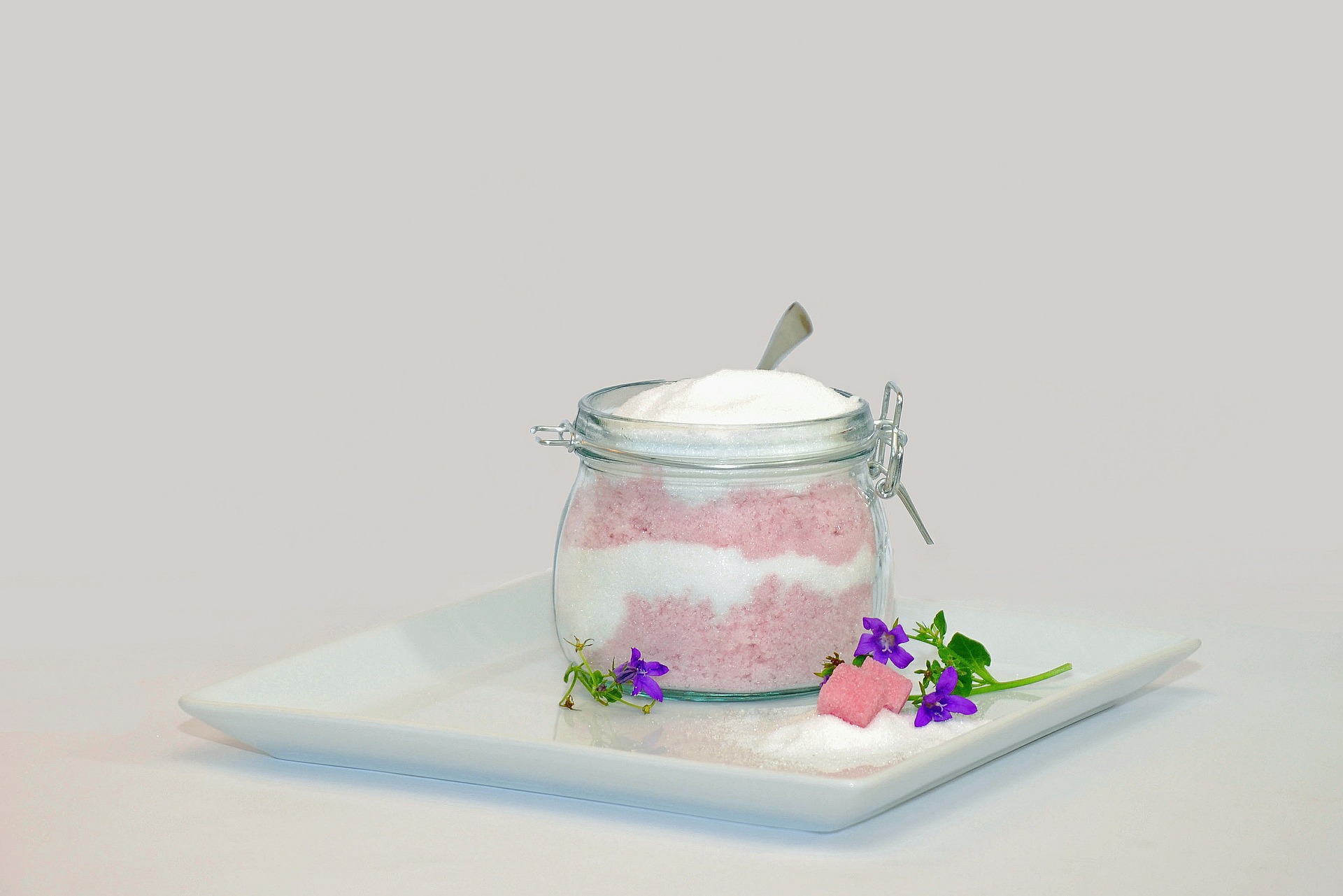
Honey, Fruit Sugar, Maple Syrup, Brown Sugar and White Sugar - What's the Difference?

First things first – honey, maple syrup and brown/white sugar affect blood sugar in a similar way. Any diet that is high in any of these can lead to chronic diseases and weight gain. No matter what you choose from this list, use it in limited quantities.
Honey and Maple Syrup
Honey has many medicinal properties. It can soothe coughs, treat acne, treat sore throats and so on. Honey and maple syrup don’t have meaningful amounts of vitamins and minerals. There is emerging research showing that honey may be high in antioxidants. The impact that this has in humans is still being determined.
The nice thing about organic honey and maple syrup is that they are less likely to be heavily processed. The same can’t be said for brown and white sugar.
As a side note, according to Ayurvedic medicine, a small amount of raw honey in the diet can help with weight loss. This is not supported by conventional medical research but I have a soft spot for Ayurvedic medicine and thought I’d mention it.
Brown and White Sugar
Most people know this by now but if you don’t: brown sugar is simply white sugar with added molasses. It’s still a refined sugar. There is no more nutritional value in brown sugar than white sugar. Both are highly processed and of little nutritional value beyond providing calories.
Fruit Sugar
Using dates in recipes can be a healthier way to add sweetness to your diet. Dates are high in fiber. A quarter cup can provide 8 grams of fiber (the goal is 25-38 grams/day). Dates and other dried fruit may also be a source of antioxidants. Again, they'll still raise blood sugar but at least you’re getting other benefits along with it. Try soaking them before blending to make blending easier.
I get a lot of questions about whether fruit is “good or bad”. Fruit does contain natural sugars but they also contain vitamins, minerals, fiber, antioxidants and other good stuff. You’re definitely not consuming empty calories when you consume fruit. There are even studies demonstrating that fruit consumption can improve blood sugar regulation. Some people worry about the fructose in fruit. The amount of fructose in fruit is low and unlikely to cause issues.
A Note About Stevia
Stevia seems to be safe in low amounts. Still, I would avoid over-consuming it because not enough is known about it yet.
If you want to optimize your nutritional intake book an appointment or free 15 minute consult.
The Many Faces of Anxiety
I’ve seen anxiety show itself in all kinds of ways. I’ve seen it stop periods and start up episodes of hives. I’ve seen it wreak havoc on the digestive system and cause harsh eczema flare ups. It can make people feel suffocated – like they just can’t get a full breath of air in. Thyroid levels can be thrown off by it. Issues with weight and emotional eating become difficult to cope with. It can even knock your energy levels down to zero. In some cases, it can present itself as what’s known as Body Focused Repetitive Behaviours. This includes skin picking, nail biting, hair pulling and lip/cheek biting.
Of course, anxiety can’t be the only thing someone considers for these symptoms. Often, physical issues should be ruled out before anxiety can be diagnosed as the cause of a symptom. If you get to that frustrating place where all the testing has come back normal and nothing seems to resolve the symptoms long term – consider anxiety. Consider seeing what impact treating anxiety may have on your symptoms. It still may not be the answer, but it’s worth a try.
Are you someone who says you don’t feel anxious? This is something that many people say. And yet, when I treat them for stress or anxiety they feel a lot better. We may get so used to a hectic pace of life that we don’t notice when we’re anxious anymore. Sometimes we don't interpret our feelings as anxiety. Sometimes we just distract ourselves from that growing tension with work and technology.
I’ve treated anxiety in many ways. My favourite approach is a series of acupuncture sessions. I couple this with a few carefully chosen herbs and nutrients. At each acupuncture session, I discuss different lifestyle strategies for coping with anxiety. I’ve also treated anxiety without acupuncture and just focused on the other remedies.
If you need help managing your anxiety or any of the symptoms mentioned above, book a free 15-minute consult or appointment.

How Everyday Products Can Impact Your Hormones

Many household products contain ingredients that have been shown to alter hormonal systems. These ingredients are called “endocrine disruptors”. Now, I have no intention to make you feel paranoid with this article. I would just like to provide some information for you to mull over. Maybe it’ll help you make some changes with the products you stock your home with. Or maybe you’ll decide that nothing stated here makes you worried enough to change things up. The point is that you’re informed for your own health journey!
Overview: Some Important Lists
If you’re wondering what I mean by “household products” here are some examples:
- plastics (containers, packaging, wrappings etc.)
- antiperspirants, fragrances, cosmetics
- moisturizers and hair dyes
- air fresheners, detergents and cleaning products
And it’s more than just BPA, parabens and aluminum I'm talking about. There are other ingredients that have been shown to impact hormone systems. Ingredients like:
- preservatives and plasticizers
- anti-aging ingredients
- ingredients to give the product a certain texture
- fragrances added to products
The hormones that have been affected in studies are estrogen, progesterone, androgens (like testosterone) and thyroid hormones. The catch is that a lot of this research is in animals so it must be taken with a grain of salt. Scientists are still debating over the role these products play in human health. There are hypotheses about these products playing a role in:
- Breast and other types of cancer, benign breast cysts, fibroadenomas
- Diabetes, obesity and metabolic syndrome
- Infertility
Studies may find that a specific chemical does not cause a disease. However, we're not exposed to just one chemical. We're exposed to many. There is little information about the cumulative effect of all these chemicals.
What to Do
It can create a lot of anxiety to worry about everything in your environment. I believe it’s best to balance being cautious with being practical.
Pick and choose the products you want to replace with more natural alternatives. Many people opt for a good quality plant oil to moisturize with rather than a synthetic cream. There are many DIY recipes online for household cleaners. Swapping plastic containers for glass is another popular option. Also, there’s the option of using natural deodorants or avoiding fragrances.
I tend to use simple kitchen ingredients for a lot of things. If you’re going to buy pre-made natural products at the store be sure to read the ingredients. Don’t pay a high price for something that seems all-natural but is not. Don’t assume that just because a store looks “naturey” it means the products are all-natural.
Even herbs and nutrients can play a role in hormonal health. If you need some guidance on hormonal health book an appointment or free 15-minute consultation.
Sources
PMID: 20393002; PMID: 20932229; PMID: 22991565
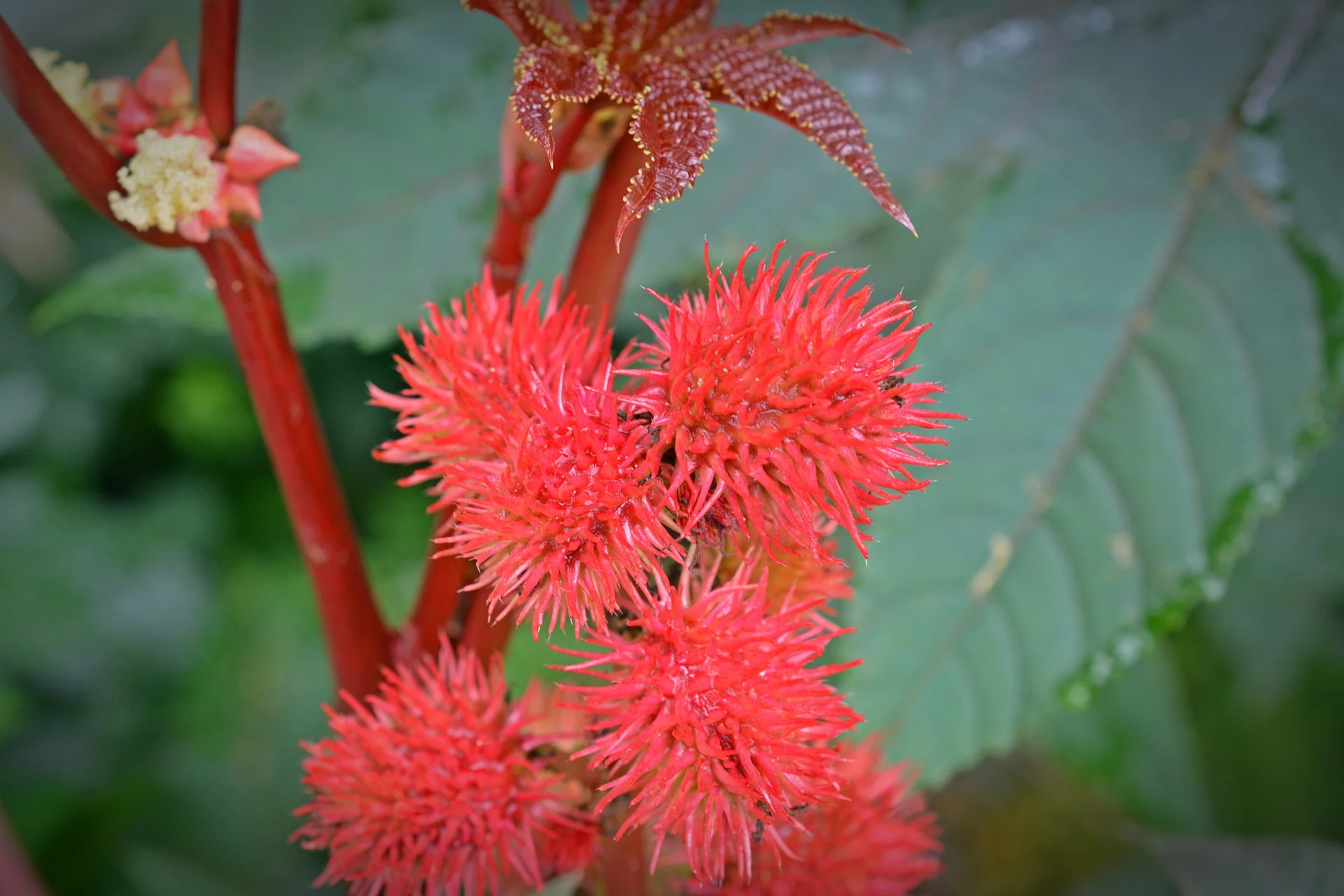
Household Healers: Castor Oil
This is the fourth article in my Household Healers series. To see the previous article, click here.

The first blog post in this series was all about my favourite herb: chamomile. Today’s post will be about my second favourite herb – the castor oil plant – and its many healing properties.
Joint Pain
Castor oil has anti-inflammatory and pain blocking properties. Rubbing it on joints can help with pain and swelling. Mixing the oil with other pain-relieving herbs increases the effects.
Pimples and Scarring
I did an Instagram post about how castor oil is my favorite spot treatment for a pimple. It brings down the redness and size of the pimple fast. I even like it better than the popular tea tree oil for pimples. It also may reduce the appearance of scars from pimples.
Hair and Lashes
Many patients find that applying castor oil to their lashes helps the lashes grow. I also like massaging it into the scalp. Castor oil strengthens the hair and helps with issues of hair falling out. Traditionally, it has been used to treat dandruff.
Constipation
Taking castor oil internally is not something I recommend because it's too strong of a laxative. Rubbing the belly in a clockwise direction with castor oil is a gentle way to treat constipation. It’s even great for kids.
Detox
Applying castor oil over the liver region has been used for decades as part of a gentle liver detox program. It's applied around the right lower rib-cage. This is definitely in the department of folk medicine rather than research-based medicine.
Diaper Rash/ Inflamed Skin
Applying castor oil on the skin is a great way to sooth diaper rash. Most rashes that involve a lot of redness and inflammation can be soothed with castor oil.
Sty
Like chamomile, castor oil is a great way to treat a sty or inflammation in the eye. I apply it to my eyelids in these cases.
If you want to learn more about this amazing herb and how herbal medicine can help you, book an appointment or free 15-minute consult.

How Can a Naturopath Help Me Lose Weight?

Your first instinct may be that as an ND I would put you on a strict diet filled with kale and green smoothies. In reality, I meet my patients where they’re at and build a plan that works for their lifestyle. Here are the ways I can help you lose weight.
Meal Planning
I love meal planning. I spend a long time getting to know my patients' most and least favourite foods. I find out how much (or how little) time they have for cooking. I make note of their cooking skills and supplies. I take note of whether they are cooking for others and how picky they may be. I determine what your set up at work is like and what your typical work/life schedule is. I even like to ask if there are a certain amount of days in a week that you need to eat out (e.g. for work). I take all this information to build you a highly customized meal plan that you can work towards. I’ll even include a grocery list and meal prep guide. My plans help patients lose 1-2 pounds per week.
If a rigid meal plan is not your thing then I work with you to tweak your existing diet in a way that will help you lose weight.
Addressing Health Conditions
There are many health issues that can make it difficult to lose weight. These include:
- Hormonal issues like PCOS and hypothyroidism
- Problems with sleep, stress, anxiety and depression
- Issues with bowel movements, digestion and food intolerances
I use herbs, nutritional supplements, acupuncture and other remedies to address these and other issues. This in turn helps make the weight loss process easier.
Using such remedies, I can also address conditions that go hand in hand with being overweight. This includes diabetes, high blood pressure and high cholesterol.
Emotional Eating and Cravings
As I mentioned in a previous article, cravings and emotional eating can make it hard to stick to a healthy diet. A lot can be done for those who eat out of stress, guilt, boredom, sadness and cravings. I use many of the tools I mentioned above to address these obstacles to weight loss.
Helping patients lose weight is a passion of mine. If you are ready to get some help, book an appointment or free 15-minute consultation.
Hair Loss After Childbirth
Hair loss after delivering a baby is very common. It usually starts to happen 1 to 4 months after delivery. You can lose hair evenly over the scalp or just along the front and sides of the hairline.

Yanik Chauvin ID 3531128 | Dreamstime Stock Photos
Don’t Panic
The amount of shedding can be shocking – especially the first time it happens. However, between 6 months and 1 year the shedding often stops. Usually the hair returns to its normal thickness. Sometimes during pregnancy, the hair become thicker because shedding decreases. A lot of the hair shed after childbirth is just the excess hair from pregnancy that is shedding.
Testing
Although postpartum hair loss is normal, it’s always important to rule out other causes of hair loss. Doing blood work to test thyroid function can rule out hair loss due to thyroid imbalances. Iron and vitamin d deficiencies are a common cause of hair loss in women so iron and vitamin d levels should be assessed. Sometimes other tests can be run like androgens, FHS, LH and prolactin. The right testing all depends on your individual health history.
Natural Approaches
There’s not a lot of research on ways to treat hair loss after childbirth. In situations like this I look to traditional approaches that have been relied on throughout history. Here are a few popular approaches:
Protein, Zinc, Omega 3:
Make sure you’re getting enough protein, zinc and omega 3 fatty acids in your diet. Sources of zinc include pumpkin seeds, yogurt, beans, lentils and sunflower seeds.
Topical Treatments:
Applying castor oil in the hair can strengthen the hair and reduce shedding.
Doing a vigorous scalp massage can increase circulation and promote hair growth. Massage with something that promotes circulation like ginger or essential oils. Talk to your naturopath about how to use topical treatments safely.
Biotin:
Biotin is a B vitamin often used to treat hair loss. Research is very limited on the effectiveness of biotin. Pregnancy can reduce biotin levels for some women. Alcohol, cigarettes and low good bacteria in the gut may reduce biotin levels as well.
Liver is high in biotin. Other sources are milk, egg yolks and legumes. Raw egg whites block biotin absorption (cooked egg whites are fine).
Supplements of biotin alone may be safe in lactation but there is not enough research to give it a full vote of confidence. Dietary sources are safer.
It’s often a good idea to continue your prenatal vitamins during the postpartum period. These will contain a small amount of biotin along with other vitamins and minerals. Talk to your naturopathic or family doctor about this.
Other
Women in some countries avoid using hair brushes and instead opt for a wide-toothed wooden comb. This may reduce hair breakage.
Certain acupuncture points have been used to help manage postpartum hair loss.
As a naturopathic doctor, I enjoy helping women before, during and after their pregnancy journey. If you would like guidance on having a healthy pregnancy book an appointment or free 15-minute consult.
Sources:
Hair diseases. Thomas P. Habif MD Clinical Dermatology, CHAPTER 24, 923-959
PMCID: PMC3884776