
Blog
How to Tell if You're Low in a Vitamin or Mineral

Severe nutritional deficiency is not something that everybody sees all the time. The symptoms of extreme malnutrition are intense and easier to spot. Milder deficiencies are less obvious. Many of you may have these less-than-optimal levels of some vitamins and minerals.
Below I list a few vitamins and minerals and some of the symptoms you can get when you don’t have an ideal amount of them. Some of these nutrients can be tested for. For other nutrients, I usually rely on symptoms rather than testing.
Magnesium
Symptoms of sub-optimal levels: PMS, anxiety and panic attacks, depression, chest tightness, burnout, insomnia, headaches, poor memory, heart palpitations, muscle cramps or twitches, restless leg syndrome.
Testing your levels: Most readily available testing (e.g. blood and hair tests) are not reliable as they do not reflect the levels of magnesium stored in your body.
Zinc
Symptoms of sub-optimal levels: Poor healing of cuts and wounds, weak immune system, hair loss, infertility, acne.
Testing your levels: Blood, urine, hair, saliva and taste tests are not reliable unless deficiency is extreme.
Iron
Symptoms of sub-optimal levels: Fatigue, palpitations, feeling cold, shortness of breath, heavy periods, weakness, depression, anxiety, anemia, dizziness, inability to concentrate, hair loss, restless legs, getting sick often, indigestion.
Testing your levels: a panel of blood tests can be easily done and is reliable.
Vitamin D
Symptoms of sub-optimal levels: Decreased bone density, muscle weakness, pain, fatigue, depression, asthma, eczema, thyroid disfunction, infertility.
Testing your levels: Blood tests are reliable. Sometimes the test fee is covered by OHIP when done by your family doctor or specialist but most of the time it is not covered.
Vitamin B12
Symptoms of sub-optimal levels: neuropathy, fatigue, memory issues, anemia, palpitations, shortness of breath, dizziness on standing.
Testing your levels: Blood tests are reliable.
Other B-vitamins
Symptoms of sub-optimal levels: depression, irritability, nerve and muscle pain or discomfort, fatigue, weakness, anxiety, insomnia, headaches, shortness of breath, anemia.
Testing your levels: Blood or urine tests are possible. For some of the B vitamins, many types of testing are not reliable or necessary. I will often simply recommend B-vitamins and monitor symptoms.
This is certainly not a complete list but it goes over some common symptoms. You’ve probably noticed that a lot of nutrient deficiencies have similar symptoms. It may seem confusing at first. Sitting down with a naturopath to go over your full health history can help with sorting what nutrition support is best for you. If you would like a nutritional assessment, go ahead and book an appointment or free 15-minute consult.

What Does “Holistic Medicine” Even Mean?

The word “holistic” has become more popular over the years. The use of the term skyrocketed from the late 60s on. We associate it with concepts like “all natural”, “traditional” and maybe even “spiritual”. But what does this term actually mean? Why do naturopaths and other health care providers use the word?
Holistic medicine means you consider the whole person when treating a patient. But even that definition may sound a little vague. When I diagnose and treat I consider many factors that are important to health. I don’t just treat a symptom. Below, I’ll use an example to better explain what holistic means.
Case: Digestive Complaint
Say a patient comes to me complaining of a troublesome gut. Bloating, constipation, cramping – the whole package.
If I was only treating the symptoms and not being holistic I would give them a digestive aid and a laxative or stool softening remedy and call it a day.
But I don’t stop there. I treat holistically.
First, I would consider why the digestive system is out of whack in the first place. Is the gut bacteria off? Are certain digestive enzymes less than optimal? Is the peristalsis (the motion of the stomach, intestines etc.) dysfunctional?
I would analyze the diet. I'd look for any eating habits that could be interfering with digestive health. If the patient is not eating right, I figure out why. Is it because they don’t know how to? Do they need help figuring out how to eat right with limited time? Do they have cravings that lead them away from eating right?
I would also consider other health issues that could tie into the digestive issue. For example, the patient might have strong PMS symptoms and hormonal imbalances. These can worsen the digestive issue. Are their supplements contributing to the issue? Are their medications contributing?
Then I would dig into mental health. This has a huge impact on many conditions including digestive health. Are stress levels high? Is there some anxiety or depression? Is there emotional eating?
I even look into lifestyle factors that may seem unrelated to digestive issues. Optimizing factors like sleep quality, exercise level and hydration can improve many symptoms.
I gather all this information and use it to form a holistic treatment plan. The plan treats the whole person. It addresses so many factors in their life that are related to the symptom they need help with.
It rarely makes sense in healthcare to look at just a symptom, treat that symptom and ignore everything else that is going on in a person’s life. If the holistic approach sounds interesting to you, don't hesitate to book an appointment or free 15-minute consult.
How Sugar Affects Your Skin

Sugar takes a toll on your skin. It can age the skin and contribute to acne. You may have heard that the sugar-acne connection is a myth that was debunked by science. This argument is usually based on a single study. In this study, one group of people was asked to eat a chocolate bar and the other was not. There was no difference in acne between the two groups. Some took this as proof that there is no connection between sugar (or diet in general) and acne. However, many scientists have found flaws in this study. The focus is shifting to newer studies showing that there is indeed a sugar-acne connection.
The Results
Studies have found that replacing high glycemic load foods with low glycemic load foods reduces acne. The lower glycemic load diet was often lower in carbohydrates and higher in protein. Researchers actually counted the number of pimples before and after the diet changes. Pimples reduced by 30-50%. The trick is you have to be patient. Milder pimples started to go away by 5 weeks after the diet change. But most of the regular/ severe pimples took 10-12 weeks to fade. In fact, one study only lasted 8 weeks and found that the diet did not help within that time - so timing is everything.
The Diet
So what does glycemic load mean? To put it simply, glycemic load refers to how “sugary” the food is and how quickly it affects blood sugar.
Some high glycemic load foods are:
- White bread/ white pasta/ white rice
- Sweet drinks (pop, juice, sugary coffee)
- Candy, chocolate, baked goods
- French fries and chips
- Pizza
- Sweet cereals
Some low glycemic load foods used in the studies were:
- Lean meat (e.g. poultry) and fish
- Whole wheat bread/pasta (but not an excessive quantity)
- Vegetables and fresh fruit
- Barley
The Biology
There are a few theories on how sugar leads to acne. High glycemic load foods can spike blood sugar leading to a spike in insulin. This makes it easier for other hormones like androgens to cause acne. For example, androgens increase sebum production. Insulin spikes also increase cell growth and inflammation in a way that can clog pores. All these changes make the skin more prone to infection by acne-causing bacteria.
Naturally, replacing sugary foods with these healthier foods will boost levels of other nutrients. These nutrients, like vitamin A, zinc, good fats and fiber, are also good for the skin.
So, if you’re struggling with acne there are natural options out there. Work with a naturopath to sort out the right diet for you. Often there are other diet changes that need to be made in addition to reducing sugar. Herbs and nutritional supplements can help as well. In stubborn cases, ask your naturopath about food sensitivity testing or cosmetic acupuncture to manage acne.

Summer Blues

Yesterday marked the end of mental health awareness month. This time of year can be a difficult time for some people. Most people associate seasonal affective disorder (SAD) with winter blues. But seasonal affective disorder can apply to other seasons as well. Today I will talk about summer seasonal affective disorder or summer depression.
Summer depression is a less well-known version of seasonal affective disorder. It affects fewer people than winter depression and it’s much less studied. Summer depression usually starts in late spring or early summer - right around this time. Symptoms include depression, insomnia, anxiety or agitation, low appetite and sometimes weight loss. In contrast, winter depression symptoms include depression, increased sleep, increased appetite, carb cravings and weight gain. With typical summer depression cases, the symptoms resolve when the season changes.
Issues with the biological clock and melatonin have been blamed for this condition. However, there are few reliable studies explaining the biology behind summer depression.
Many people feel that summer makes them more aware of their negative emotions. Summer is a time with more socialization and more events. People are getting out more and doing more. When you don’t feel like doing any of those things, seeing everyone around you doing them can make the sadness feel even worse.
So, if you find that you’re struggling with your mood every summer, this may be one condition to keep in mind. Naturopathic medicine has a lot to offer in the area of mood disorders. If you would like to learn more, book an appointment or free 15-minute consult today.

Reduce Anxiety with Journaling

I work with a lot of patients struggling with anxiety. In addition to herbal medicine, nutrition and acupuncture I always recommend lifestyle strategies. Building anxiety-reducing habits into your daily life is important for reducing anxiety. Taking time to write about your day in a journal is one such habit.
It’s pretty well accepted in our culture that writing out your feelings is therapeutic. It seems obvious that it would be useful. But maybe you’re not convinced that it will help you. Maybe you need some science to convince you. Below, I discuss three studies that show how journaling improves mental health.
Study 1
In 1999, Clinical Psychology Review published an article on a decade of research on journaling. This article examined the effect of writing about stressful events. The conclusion: writing about what's bothering you or about your feelings definitely helps. It improves not only mental health but physical health as well.
Study 2
In 2014, a study was published in Anxiety, Stress and Coping on this topic. Participants were asked to write about their most stressful event in the past five years. They had to write their thoughts and feelings about the event. They did this for 20 minutes, multiple times. Three months later their anxiety levels were checked. Those who liked to express their emotions were significantly less anxious. For people who weren’t comfortable with emotional expression, there was no benefit. They concluded that if journaling suits your personality, it would lower your anxiety.
Study 3
In 2004, a meta-analysis was published in The Journal of Nervous and Mental Disease. It looked at 9 different studies on this topic. It found a significant improvement in overall health from journaling. Both physical and mental health were improved.
It’s something that can be easily tried to decide for yourself if it’s a good fit. Go out, grab a journal and start. Not sure where to start? It’s ok to start with the practical stuff. What did you do today? Who did you talk to? Then once you get comfortable with it you can move on to your feelings. Did you feel good today? Bad? Why or why not? Did somebody bother you? Are you dreading something? Why?
The beauty about journaling is that it’s for your eyes only. Nobody even has to know that you journal.
If you need help managing your anxiety, ask me about my 8-week anxiety program. To contact me, book a free 15-minute consult or to book an appointment, click below.
Gluten-Free Made Easy

Today’s post is meant to be a quick, practical guide to help you with gluten-free eating. Gluten elimination can be helpful for a variety of health conditions. Some common things I find it helpful for are chronic pain, digestive issues, skin issues, thyroid health and allergies.
Perhaps you just want to experiment with your diet. Or maybe you were told by a health care provider to go gluten-free. Whatever the case, you can use this guide to navigate the world of gluten-free eating.
With this article I aim to reduce any anxiety you may have about gluten-free eating. It may seem daunting at first. Doesn’t everything have gluten in it? What will be left to eat? Will I have to live off expensive, special foods?
There are actually many everyday foods that are delicious and naturally gluten-free. Below, I’ve listed some of them. For more information you can look at the Canadian Celiac Association’s website . Let’s dig in.
Foods that you can use as staples:
- Gluten free bread/ pasta/ wraps
- Chickpeas
- Quinoa
- Corn
- Gluten-free oats: oats are naturally gluten-free but they can be contaminated with a significant amount of gluten. If you need to be really strict, get oats labelled "gluten-free".
- Sweet potato
- Regular (white) potato
- Rice
- Cauliflower rice
- Zucchini noodles
- Eggs
- You can also skip the starch sometimes and have unprocessed meat, poultry or fish with vegetables as a main meal
Snacks
- Many brands of hummus are gluten-free, you can have it with veggies or gluten-free crackers
- Home made guacamole with veggies or gluten-free crackers
- Fruits or veggies
- Apple or banana slices dipped in peanut butter: nut butters are a grey area. Some are gluten-free, some are not. You’ll have to do some research before you pick one. Most are low in gluten so if you’re not strongly sensitive (i.e. a celiac patient) you may be fine. Almond butter is usually gluten-free.
- Bars labelled "gluten-free"
- Unseasoned nuts
- Plain popcorn
- Cheese (if you don’t need to be dairy free as well)
- Energy balls made with mashed dates and your favourite nuts and seeds
- Sweet potato or kale chips (homemade)
- Rice cakes: check the ingredients to make sure there aren’t any gluten-containing additives or get one labelled "gluten-free"
- Plain yogurt (you can add fruit and honey)
Treats (if you need to let loose once in a while)
- Home-made peanut butter cookies: see note about nut butters above
- Nachos and salsa: check salsa ingredients for additives containing gluten. Many nacho brands are gluten-free but always research before.
- Many common types of chips are gluten free
- Most ice cream and sherbet
- Chocolate chips
Note: don’t forget about drinks – drinks made with barley (like beer) contain gluten.
Of course, you can get adventurous and check out gluten-free websites and recipe books. They can teach you how to make gluten-free meals and treats.
If you need more help with your diet, reach out to me. As a naturopathic doctor I offer food sensitivity testing. If you’re curious about your food sensitivities, book an appointment or free 15-minute consult. We can talk about whether this test is the right fit for you.

A Great way to Manage Stubborn Pain

“I’ve tried everything!”
This is a statement I’ve heard many times from my patients suffering with chronic pain. If you have stubborn pain from conditions like arthritis, migraines or sciatica you’ve likely tried a lot to relieve it. Persistent pain can be frustrating.
Many who suffer from chronic pain try one type of treatment at a time to tackle the pain. You may start with weeks of acupuncture. After that you move on to one supplement, then you move on to another, then another. Then you try one type of physical therapy after another. On the one hand, trying one thing at a time makes sense. If you try everything at once how will you know what’s working? On the other hand, if your pain is not getting better this way it may be worth trying a different method.
I really like the concept of synergy. In health care, synergy means combining different treatments together at the same time to get better results. Sometimes you can get results that are bigger and better than trying those same treatments one at a time. The treatments work together on the same goal in different ways.
My patients who have a good team of different health care providers working together to reduce their pain often get positive results. Chiropractors, physiotherapists and massage therapists can all work together to tackle your pain from a different angle. Each one can use different strategies to treat the causes of your pain. Adding a naturopathic doctor to your team can target yet another angle. Naturopaths can treat your pain from the inside. We look at ways to reduce inflammation and muscle tension and improve nerve health using diet, herbs, nutrients and acupuncture. Each practitioner can even use acupuncture in different ways to reduce pain.
If you have your family doctor or specialists working on your case as well, the rest of your health care team will make sure there are no interactions between anything you're doing.
So do you feel like you’ve tried everything? I strongly suggest that you try building a well-rounded health care team. A team effort is a great way to manage stubborn pain.
Need to add a naturopathic doctor to your health care team? Book an appointment or free 15-minute consult today.
My Top 5 Uses for Lavender
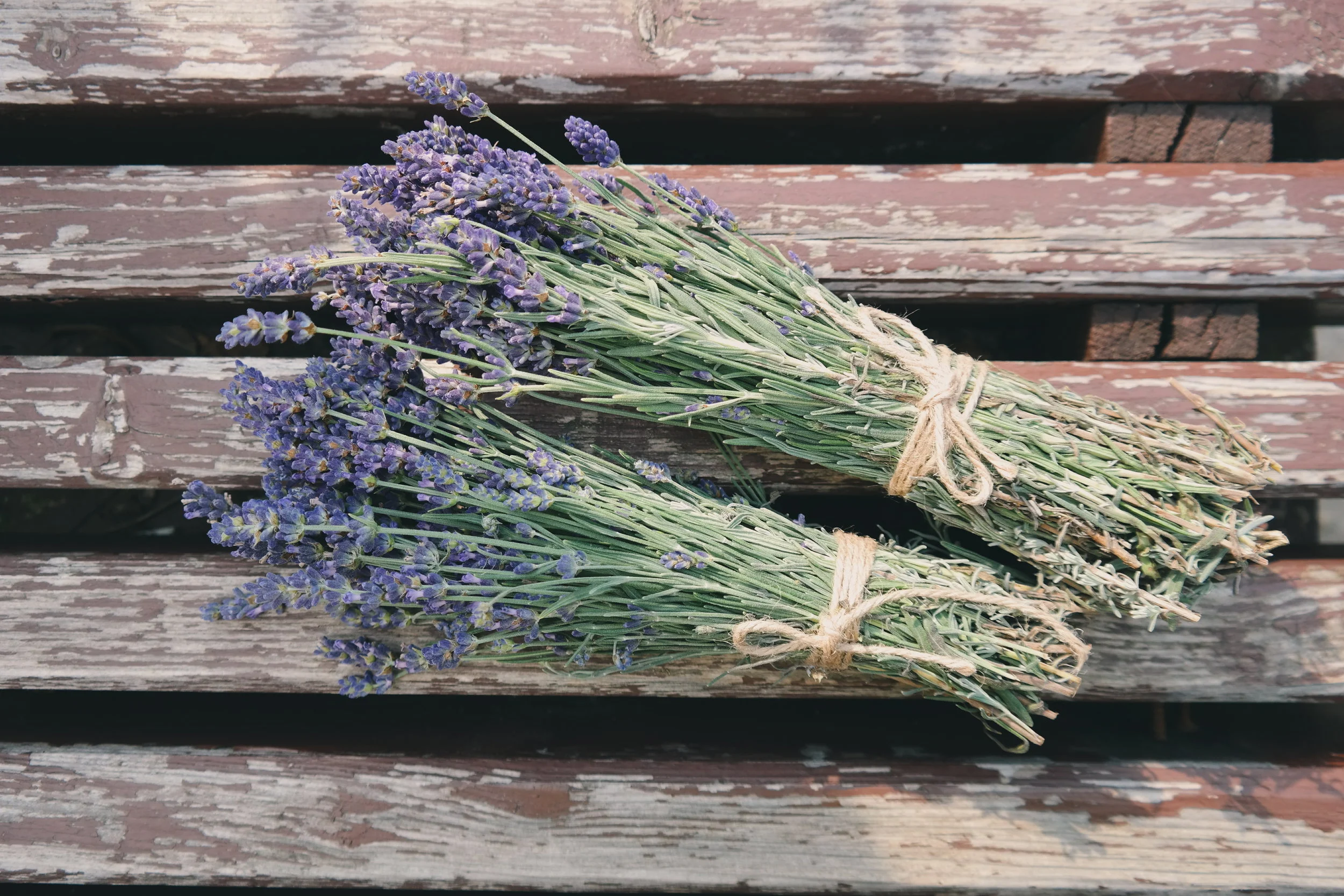
Lavender is a very versatile herb. You won't regret having this herbal remedy on hand in your natural medicine cabinet! Read on to find out why.

It Puts You to Sleep
Lavender is well known as a sleep aid. You’ve probably seen commercials about it being used in pillows to help with sleep. It’s easy to find or make pillow and linen sprays with real lavender in it that you can spray on your bed before you sleep. You can also get the actual lavender herb and put a few sprigs under your pillow. Lavender essential oil is another great option. Dilute 2-3 drops in 5 mL of a carrier oil like olive or coconut oil. Apply the blend to your “perfume points” like the inside of your wrists and sides of your neck before bed. If you have a diffuser you can add the essential oil to that. Have it running overnight if possible.
It Helps with Depression and Anxiety
It makes sense that lavender soothes anxiety given that it's so relaxing. Many people don’t know that there's also research on it helping with depression. Smelling the herb as we discussed above is one way to use lavender for this purpose. Drinking lavender in tea form has also been studied for depression with good results. Some good quality lavender capsules have recently come into the market. Patients have been enjoying the convenience and relief that this more potent form of lavender brings.
It Reduces the Appearance of Scars
Are you the type of person who gets a scar every time you get a blemish? If so, it may be worth while to add lavender to your skin care routine. Lavender has some gentle scar removal abilities. It can help the skin look more even.
It Eases Pain
This is a little known use of lavender. I like to combine it into my pain and inflammation recipes. I get my patients to apply it to painful joints and muscles. When applied to the forehead and temples it can also help with headaches. This is especially true for stress and tension headaches.
It Soothes Coughs
Because lavender has gentle muscle relaxing abilities it's good for dry, spasmodic coughs. The type of annoying, tickling cough where nothing is coming out. Many people use eucalyptus during steam inhalations to help with cough and congestion. I often recommend adding lavender to the blend. You can even apply it on the chest with other oils and herbs.
Are you struggling with any of these issues? Want to know how natural medicine can help you? Book a FREE 15 minute consult or appointment today.