Blog


Samantha Dass Samantha Dass

What Causes a Skipped or Late Period (Besides Pregnancy)

calendar

It can be alarming when a period is missed - especially if you’re used to your period coming like “clockwork”. For some people, irregular periods are the norm. For others, it happens once in a while. Pregnancy needs to be ruled out whenever a period is late but this is not the only cause of a late or skipped period. Below are some other possible causes of a delayed period.


Stress

Stress can interfere with the natural hormonal fluctuations in the body which can in turn interfere with ovulation and the health of the uterus. Ovulation is the process of an egg being released from the ovary and it plays an important role in signaling changes in the uterus and, eventually, a period. Stress is a common cause of a missed period. Keep in mind that sometimes, even when we feel like we are not stressed and are handling our stress well, our bodies can still be impacted by stress. We’re not always the best judges of our stress levels. The body may tell us that we’re stressed before the minds does. 

Anovulatory Cycle 

Some months, ovulation may be skipped entirely. This is known as an anovulatory cycle. Ovulation is an important step that plays a role in maintaining the lining of the uterus and the subsequent shedding of the uterus lining (i.e. a period). Sometimes, ovulation happens later than normal which can push the period back. When ovulation doesn’t happen at all, a period will eventually come due to other hormonal changes but it will often be quite late. It’s normal to have a small amount of cycles without ovulation. Sometimes, a patient will tell me that that they’re period is NEVER late and they’re wondering why they are overdue for their period. In these cases, an anovulatory cycle may be the culprit. If ovulation is skipped regularly, there may be more going on and we’ll need to investigate further. Signs of ovulation include an increase in cervical mucous and body temperature about a week after the period ends (assuming a 7 day period).   


Thyroid Imbalance

High or low thyroid levels can lead to irregular menstrual cycles. The thyroid plays a major role in the health of the reproductive system.


Weight Loss and Very Intense Exercise 

Maintaining a healthy weight is important for hormonal health. Extreme weight loss can disrupt this delicate balance. The same goes for extreme exercise. These two things can put a pause on ovulation which can delay or stop the period. Usually this leads to longer term loss of periods rather than one late cycle. 

Perimenopause

As the body moves towards menopause, a number of changes occur including a drop in estrogen levels. This can lead to shorter or longer gaps between periods. Perimenopause can happen in the 40s but some women start to show signs of it in their 30s. 


Polycystic Ovarian Syndrome

PCOS tends to cause irregular cycles in general rather than the occasional missed period. In cases of PCOS, a number of factors such as elevated androgens and insulin resistance make it difficult for ovulation to happen. This in turn leads to irregular cycles. 


These are just a few of the many reasons why a period could be late or missed. If you would like to start working with a naturopathic doctor to get to the bottom of your period concerns, book a free 15 minute meet and greet and I’d be happy to give you more information about how my services can help.

Book Now
Read More
Samantha Dass Samantha Dass

B Vitamins for PMS

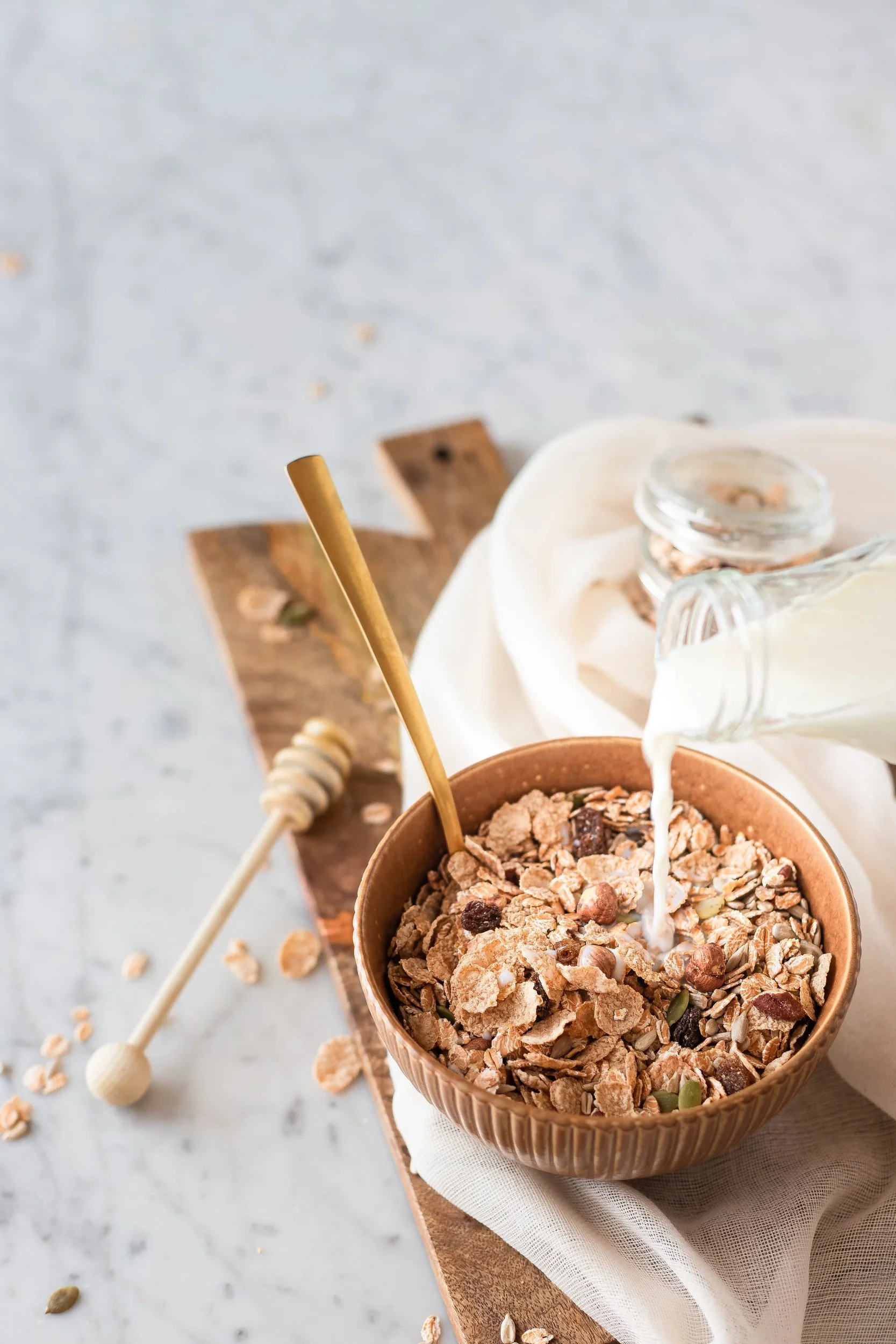
cereal

Premenstrual syndrome can take over a large portion of your life. If you experience negative symptoms for a week every month, that’s a quarter of your year spent feeling unwell! Some women experience physical symptoms like bloating, fatigue, water retention, headaches, cramps and breast tenderness. Some experience emotional symptoms like irritability, depression and anxiety. Many deal with both.   

It’s not clear what exactly is going on in the body when you experience PMS. It likely has something to do with hormones produced in your ovaries (like estrogen and progesterone) as well as brain chemicals like serotonin.

Research on B Vitamins


B vitamins have so many different functions in our bodies. They help to produce and metabolize neurotransmitters (brain chemicals that govern our mood and behavior). They also affect our hormones. 

An interesting study was published by the American Journal of Clinical Nutrition about B vitamins and PMS. It found a link between eating more B vitamin rich foods and reduced PMS symptoms. There are many different B vitamins but this study found significant benefits with B1 and B2 in the diet. 


Thiamine and Riboflavin

Vitamin B1 is called thiamine which is high in certain fortified grains, black beans, fish (like trout, tuna and salmon), beans (like black and navy beans), acorn squash, peas, asparagus etc. Vitamin B2 is called riboflavin which can be found in fortified grains, dairy products like yogurt and milk (interestingly, calcium also improves PMS), almonds, chicken, quinoa, spinach, apples, eggs etc. Note: this is not a complete list. 

The study found that foods rich in B1 and B2 needed to be consumed multiple times a day in order to see benefit. So many busy women find it hard to prioritize food. You may be eating some of these foods but it might not be often enough or a large enough quantity to get the benefits you’re hoping for.

Non-Diet Solutions

For those who struggle with diet, B vitamins in supplement form have been shown in other studies to provide some PMS relief, with certain ones being more promising than others.

There are pharmaceutical treatments for PMS like contraceptive pills and antidepressants but many women are interested in learning about how they can change their daily habits to manage PMS. This study is a great example of the power of nutrition for managing women’s health issues. 


If you would like to learn about foods that can help with symptoms of anxiety, be sure to sign up to get my free anxiety-soothing food list emailed to you.

Get the list
Read More
Samantha Dass Samantha Dass

Is This Early Menopause or Anxiety?

menopause anxiety woman.jpg

Heart palpitations, hot flashes, feeling more irritable and frazzled, period getting irregular - these symptoms can all be part of the menopause transition. But they can also be anxiety symptoms as well. It’s often difficult to tell the difference and the two can occur simultaneously. 

Typically, once the period has stopped for a year, menopause is diagnosed. That window of time when the period becomes irregular and menopause symptoms like hot flashes start is called “perimenopause”. This is because “peri” means “around” or “near”. If you’re taking contraceptive or hormone therapy this can sometimes make diagnosis more complicated. 

Sometimes, depending on your age and health history, your naturopathic or family doctor can do blood testing to help determine if you’re near or in menopause. The age you enter into menopause can also be impacted by genetics. Knowing the age that your mother and sisters went into menopause can give you some clues. 

Both menopause and anxiety can be a challenge to face alone. Make sure you’re getting the right medical care and support to help you figure out not only what is going on, but how to manage it. 

Book Now
Read More
Samantha Dass Samantha Dass

Do Birth Control Pills Affect Mood and Anxiety?

birth control pills

I see so many patients who have noticed that their mood has shifted ever since starting or stopping birth control medication. I’ve heard this observation from people who take birth control pills, IUDs or other forms of birth control medication. The experience varies widely among individuals. Many are left wondering if their birth control really is affecting their mood or if it’s all in their imagination. There is actually not as much research on this topic as you would think. Because there are so many different types of birth control medications, it’s difficult for scientists to study how they impact mood.

Here is what some studies have found about birth control medication and mood:

  • Some women notice no change in mood whereas other women actually notice an improvement in mood.

  • Birth control may improve mood and anxiety during certain times of the month (e.g. before your period) and worsen mood and anxiety during other times of the month.

  • Certain birth control options may have less of a negative impact on mood like:

    • Non oral birth control medications.

    • Options with less androgenic properties (you can speak to your health care provider to learn more about what this means).

  • If you tend to have existing issues with mood (e.g. anxiety or depression), birth control medications may be more likely to worsen your mood.

  • Some people may be more susceptible than others to negative mood effects but scientists have not figured out why.

  • Negative impacts on mood may decrease with age (e.g. adolescents may experience more negative mood side effects from birth control medication compared to adults).

Ultimately, this is your health so if you feel like your mood is being positively or negatively impacted by your birth control medication, it’s worth speaking to your health care providers about it.  

Free List of Foods for Better Mental Health
Read More
Samantha Dass Samantha Dass

A Key Trick for Easing PMS

Most of my patients with anxiety tell me that the time before their period is extra difficult. This is a time when already high anxiety levels can soar even higher and mood can plummet. For some women, they feel great all month long and then the week before their period, they feel like a different person.

A big stumbling block for women is that they wait until they’re in the middle of their premenstrual woes and then start looking for way to manage their symptoms. A better approach is to start preparing in advance. I see a huge difference in my patients who start preparing for PMS before symptoms actually start.


This takes planning. It’s easy to forget about how bad PMS can get when you’re not in the middle of it – so it’s easy to forget to prepare. But preparation is key. For example, if you’re taking certain supplements for your PMS, consider starting to take them the week before your PMS symptoms start. If that doesn’t work, you may need to start taking them earlier. Work out a plan with your naturopathic doctor.

If anxiety is an issue for you around the time of your period, consider adding certain foods into your diet before your PMS time comes a long. For a list of foods that can help you with anxiety click HERE.

Read More
Samantha Dass Samantha Dass

Your Overall Health Affects Your Mental Health

backlit-child-golden-hour-2547988.jpg

In some ways it seems like common sense that our overall health affects our mental health. But when you break it down, it can seem bizarre. How does my blood sugar or my heart health affect my mental health? How does my gut health influence anxiety? How does inflammation impact depression?

A large study published in 2018 added more evidence to the idea that mental health can’t be treated separately from overall health. In this study, published by the American Journal of Epidemiology, researchers looked at 12 studies of over 1.5 million women to see if there was an association between chronic health conditions and peripartum mental health conditions in mothers. Peripartum refers to before or after childbirth. Researchers found that mothers who had chronic health conditions like high blood pressure, diabetes, heart disease, migraines and other neurological conditions were more likely to have mental health conditions like anxiety and depression before childbirth or postpartum.

We can’t say that these physical health conditions caused mental health conditions in these women. We just know that they were associated with each other. The researchers concluded that more mental health resources should be available to mothers with chronic physical health conditions.

To me, this study is another piece of evidence telling us to expand our approach to mental health. To fully manage anxiety, we can’t only search for the drug, herb, nutrient or “superfood” that will correct a brain chemical level (serotonin, dopamine, norepinephrine etc.). It really may be helpful to look at restoring overall health in addition to supporting those brain chemicals to manage anxiety and depression.

This study only looks at perinatal mental health conditions and it doesn’t look at all the possible health conditions that could be associated with anxiety or depression. So, we really shouldn’t assume these findings apply to everyone. But, in my experience, when I work with someone who has depression or anxiety and I work on their overall health, we often get positive results. When we broaden our focus and treat the whole person, it opens up new opportunities for progress.

Book Now


Read More
Samantha Dass Samantha Dass

Acupuncture for Hot Flashes and Other Menopause Complaints

adult-feet-female-1274061.jpg

There are two types of menopause transitions that I typically see. For some women, it’s relatively smooth sailing. For others, it’s a frenzy of heat, sweating, irritability, insomnia, mood swings and feeling completely fed up. For some, these symptoms only last a year or two. Others feel like they’ve been dealing with these symptoms for years after their period stopped.

I like using acupuncture as a tool to help women with these symptoms. Several studies have shown that acupuncture makes hot flashes less intense and less frequent. Some studies show that even after you stop acupuncture, the benefits continue.  

You may be wondering, if acupuncture helps women, why isn’t every perimenopausal and menopausal woman doing it? It seems like some women benefit a lot from acupuncture, and some don’t benefit as much.

One study found that one group of women noticed an 85% reduction of hot flashes. A larger group of women (about half) notice a 50% reduction of hot flashes. And then there was a group of women who only noticed a 10% reduction of hot flashes initially but this later went up to 23%.

This same study tried to figure out why there was such a wide variety of responses to the acupuncture. It concluded that women who benefited from acupuncture for hot flashes had sessions more often. They had roughly 8-9 sessions within the first 8 weeks. The study also found that women with more severe hot flashes tended to respond better to acupuncture.

So, more sessions increases your chance of success. Also, I like to increase the odds of success by adding certain herbal remedies, nutritional supplements, diet and lifestyle changes to the treatment plan.

Acupuncture also does a good job of improving other symptoms beyond hot flashes that go hand in hand with perimenopause and menopause like depression, anxiety, irritability, insomnia and pain. As a naturopathic doctor who focuses on mental health, that’s always exciting to see!

You don’t have to suffer through your menopause. You have far better things to do than worrying about your next hot flash or bout of anxiety. Get the support you need to thrive during this transition.

Book Now
Read More
Samantha Dass Samantha Dass

How do I Know if my Hormones are Out of Balance?

beverage-flower-hands-948888.jpg

Do you suspect that your hormones are off balance? Are you a little unsure if that’s actually true? How do you know if you’re feeling crummy because of hormones or if it’s just because of life situations?  

Symptoms of hormone imbalances are often super general so it’s easy to not suspect hormones as the culprit. Here are some common signs and symptoms that you can experience if your hormones are in need of some TLC:

  • Fatigue

  • Anxiety, depression, irritability and mood swings

  • Hair loss or excess hair growth

  • Weight gain or loss

  • Oily or dry skin

  • Insomnia

  • Cravings

  • PMS

  • Irregular, painful, heavy or light periods

  • Brain fog

  • Breast tenderness and fibrocystic breasts

  • Fibroids and ovarian cysts

  • Hot flashes, night sweats or feeling cold all the time

  • Acne

  • Muscle aches

  • Bloating, nausea and water retention

(Note - you don’t have to have all of these symptoms to have hormonal imbalances).

We can’t know for sure which hormones are out of balance without testing. We can make some educated guesses without tests but testing hormones gives us a clearer picture of what’s going on and therefore saves time and money wasted on trial and error. I encourage you to talk to your naturopathic doctor about your hormone testing options.

The good news is that in many cases it’s possible to re-balance hormones naturally without birth control pills or other medications. Given that I focus my practice on treating anxiety and depression, I’ve seen some wonderful improvements in mood as a result of crafting a solid hormone balancing plan for my patients.

If you want to know what steps would be involved in your own hormone balancing plan, click the book now button below to get your free 15-minute consultation.

Let’s scratch some of those symptoms off of your list!  

Book Now
Read More