Blog


Samantha Dass Samantha Dass

Thyroid Antibodies, Depression, and Anxiety

woman's neck

We all know that low thyroid hormones can lead to feelings of sadness and anxiousness. One of the most common causes of low thyroid hormones is an auto-immune condition called Hashimoto’s thyroiditis. With this condition, your body attacks and injures your thyroid gland which contributes to reduced thyroid function.

One of the hallmarks of this conditions is elevated thyroid antibodies—anti-thyroperoxidase and anti-thyroglobulin antibodies. For the longest time, these were viewed as markers of Hashimoto’s thyroiditis but not much attention was paid to them in the doctor’s office.

Now, more research is showing that high thyroid antibodies may be playing a role in mental health regardless of thyroid hormone levels. In other words, we should be paying attention to antibodies in addition to hormone levels.

A 2024 meta-analysis by Wang et al. examined 11 studies on this topic. Patients had normal thyroid hormone levels but high thyroid antibodies, a state known as euthyroid Hashimoto’s thyroiditis. Most patients were from Europe and China and there were over 1300 patients with depression and over 1000 patients with anxiety across all of these studies.

Those with normal thyroid hormones but elevated thyroid antibodies had 2.5 times higher odds of having an anxiety disorder. They were also more likely to experience depression symptoms based on validated questionnaires.

But why might the thyroid antibodies themselves impact mood? What could they be doing to the body? Researchers think that thyroid antibodies may negatively impact the nervous system. They may impact nerve cells or brain function—scientists aren’t completely sure yet.

It’s important to note that some studies show no link between thyroid antibodies and mental health. That being said, this assessment of multiple studies provides illuminating insight into the potential link between thyroid antibodies and mental health. In my practice, I regularly test thyroid antibodies for my patients with anxiety and depression because there are natural ways to address this issue. I wrote another article on this topic a couple years ago, before this new paper came out. You can read it HERE.

If you’re in Ontario and you need help uncovering the underlying factors impacting your mental health, book a free 15 minute phone consultation and we can chat about it.

Book here
Read More
Samantha Dass Samantha Dass

Myo-Inositol: What You Should Know

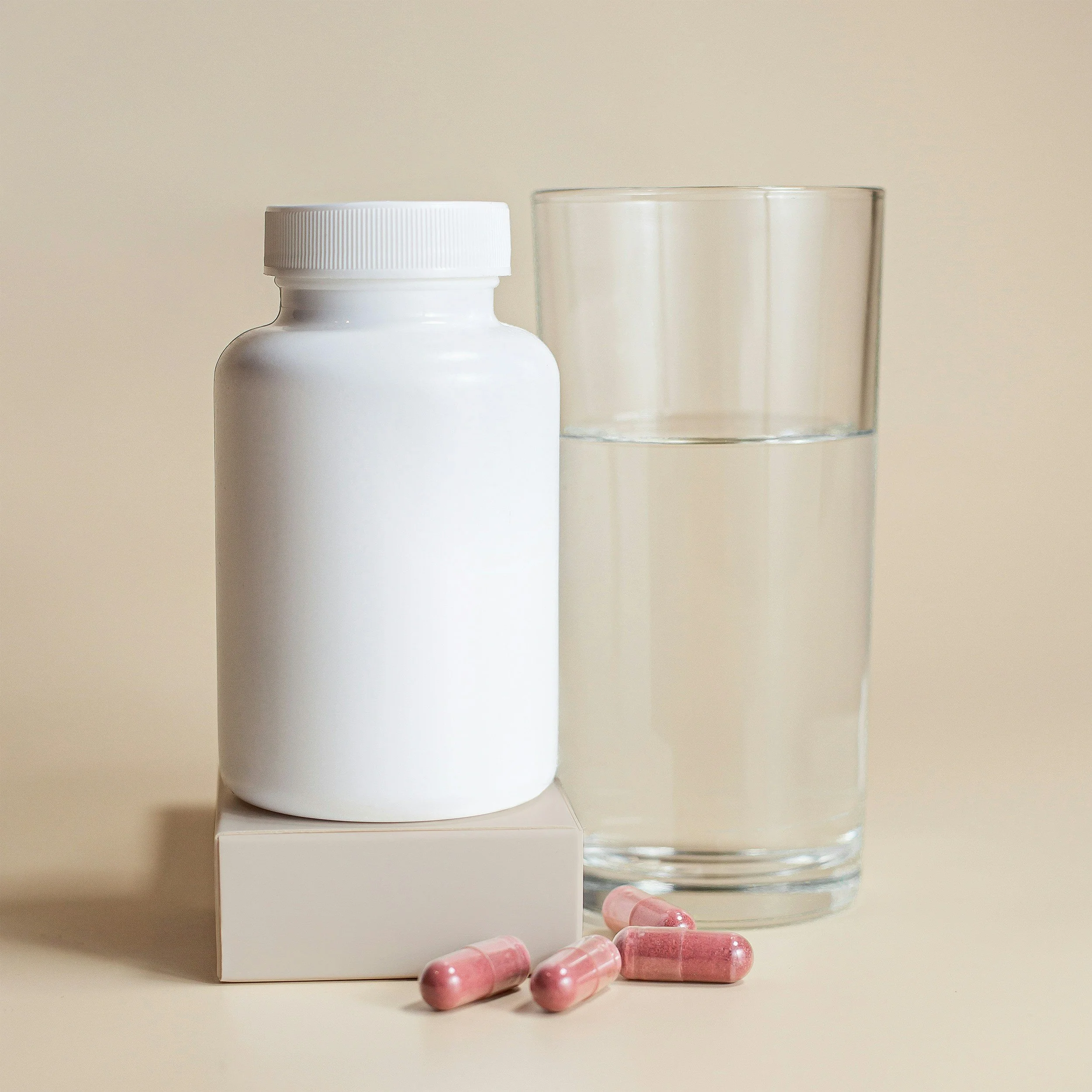
bottle with pills and water

What is myo-inositol?

Inositol is a compound produced naturally in the human body and found in foods such as grains, organ meat, almonds, beans and certain fruits but it may be difficult to get all of the inositol our body needs from a modern diet alone. It’s typically sold in two different supplement forms: myo-inositol and chiro-inositol. Certain factors increase our body’s need for inositol. These include having a high amount of refined sugar in the diet, high blood sugar and increasing age. 

Myo-inositol plays a role in many functions in our body including how hormones (like insulin) and neurotransmitters communicate with our cells. It seems to be important in organs like the brain and ovaries because of these roles. 

What conditions is it used for?

Inositol is a popular supplement used for a wide array of conditions such as PCOS, diabetes and insulin resistance, thyroid disorders, elevated cholesterol, anxiety, depression and obsessive compulsive disorder. 

What doses are used?

The dose used depends on the condition being treated with lower doses being used for PCOS and thyroid issues (anywhere from 1-9 grams) and higher doses being used for mental health conditions. Studies on inositol often span from 3 months to a year so it may take time before improvements in symptoms are noticed. 

What about D-chiro-inositol? 

D-chiro-inositol is another form of myo-inositol found naturally in the body. It’s made from myo-inositol and is found in many body parts including muscle and the liver. Many studies on conditions like PCOS show that myo-inositol supplementation alone can improve symptoms. However, there may be cases when supplementing with both forms is beneficial. Your naturopathic doctor can help you decide the best course of action. 

Does it have side effects?

Bloating and gastrointestinal discomfort are possible side effects but this typically happens at higher doses. Taking it with food may help prevent this. It may interact with certain medications which your naturopathic doctor can help you figure out. 

If you have questions about the supplements you’re taking, book a free 15 minute phone consultation so we can talk about how I can help.

Book Now
Read More
Samantha Dass Samantha Dass

Soy and Thyroid Health

soy milk and beans

Out of all the foods out there, soy seems to generate a lot of controversy. Soy contains many nutrients and plant chemicals. Isoflavones are compounds found naturally in soy that can impact hormonal health. For example, soy isoflavones may help minimize some of the symptoms of menopause like hot flashes. Soy consumption has been associated with a number of benefits such as improved heart health and even reduced breast and prostate cancer risk.


That being said, soy has also been feared for a number of different reasons. One reason is that many believe soy can shut down thyroid function by reducing the production of thyroid hormones. Lab studies not conducted on humans have found that soy isoflavones can inhibit an enzyme called thyroid peroxidase (TPO). TPO helps to make inactive and active thyroid hormone (T4 and T3).


A large amount of studies have been conducted in recent years to examine this question. Studies show that in healthy people, soy consumption does not appear to increase the risk of developing hypothyroidism.

Where things become more unclear is in those who already have lower thyroid function. This may include those who have abnormal TSH levels even though other thyroid tests are normal. In cases like these, soy isoflavones in high enough quantities can raise TSH levels enough to have a negative impact on thyroid health. More research is needed to confirm this and work out the details such as what quantity of dietary soy could have this impact.

In general, soy is a healthy food when prepared in a healthy way. By “healthy way”, I mean minimally processed soy such as a homemade tofu Thai curry rather than a soy hot dog full of other additives. I don’t like to restrict generally healthy food from patients unless there is a good reason to. If a patient is wondering whether to reduce soy in their diet to help their thyroid, my answer will vary depending on the case.


If you’re wondering how evidence-based naturopathic medicine can support healthy thyroid function, feel free to book a free 15 minute consultation.

Book a free consultation
Read More
Samantha Dass Samantha Dass

What Causes a Skipped or Late Period (Besides Pregnancy)

calendar

It can be alarming when a period is missed - especially if you’re used to your period coming like “clockwork”. For some people, irregular periods are the norm. For others, it happens once in a while. Pregnancy needs to be ruled out whenever a period is late but this is not the only cause of a late or skipped period. Below are some other possible causes of a delayed period.


Stress

Stress can interfere with the natural hormonal fluctuations in the body which can in turn interfere with ovulation and the health of the uterus. Ovulation is the process of an egg being released from the ovary and it plays an important role in signaling changes in the uterus and, eventually, a period. Stress is a common cause of a missed period. Keep in mind that sometimes, even when we feel like we are not stressed and are handling our stress well, our bodies can still be impacted by stress. We’re not always the best judges of our stress levels. The body may tell us that we’re stressed before the minds does. 

Anovulatory Cycle 

Some months, ovulation may be skipped entirely. This is known as an anovulatory cycle. Ovulation is an important step that plays a role in maintaining the lining of the uterus and the subsequent shedding of the uterus lining (i.e. a period). Sometimes, ovulation happens later than normal which can push the period back. When ovulation doesn’t happen at all, a period will eventually come due to other hormonal changes but it will often be quite late. It’s normal to have a small amount of cycles without ovulation. Sometimes, a patient will tell me that that they’re period is NEVER late and they’re wondering why they are overdue for their period. In these cases, an anovulatory cycle may be the culprit. If ovulation is skipped regularly, there may be more going on and we’ll need to investigate further. Signs of ovulation include an increase in cervical mucous and body temperature about a week after the period ends (assuming a 7 day period).   


Thyroid Imbalance

High or low thyroid levels can lead to irregular menstrual cycles. The thyroid plays a major role in the health of the reproductive system.


Weight Loss and Very Intense Exercise 

Maintaining a healthy weight is important for hormonal health. Extreme weight loss can disrupt this delicate balance. The same goes for extreme exercise. These two things can put a pause on ovulation which can delay or stop the period. Usually this leads to longer term loss of periods rather than one late cycle. 

Perimenopause

As the body moves towards menopause, a number of changes occur including a drop in estrogen levels. This can lead to shorter or longer gaps between periods. Perimenopause can happen in the 40s but some women start to show signs of it in their 30s. 


Polycystic Ovarian Syndrome

PCOS tends to cause irregular cycles in general rather than the occasional missed period. In cases of PCOS, a number of factors such as elevated androgens and insulin resistance make it difficult for ovulation to happen. This in turn leads to irregular cycles. 


These are just a few of the many reasons why a period could be late or missed. If you would like to start working with a naturopathic doctor to get to the bottom of your period concerns, book a free 15 minute meet and greet and I’d be happy to give you more information about how my services can help.

Book Now
Read More
Samantha Dass Samantha Dass

Testing For Anxiety - is it Necessary?

test results

Anxiety can involve a whole bunch of confusing and overwhelming symptoms. For some people, all of the symptoms are thought based - overthinking, catastrophizing, constant worrying etc. For others, physical symptoms are associated with the anxiety like heart palpitations, diarrhea, irregular periods, sweating, nausea and so on.

Whether or not you need testing depends on your signs and symptoms. The type of testing you need will be completely individualized to you. Testing can help us figure out potential root causes that could be contributing to your anxiety.

Here are some tests that can be run for certain cases of anxiety:

Thyroid testing - this is sometimes tested when heart palpitations, jitters, constipation or diarrhea, cold or hot flashes, irregular periods, hair issues or skin changes occur.

Iron deficiency testing - this can be considered when symptoms like weakness, fatigue, shortness of breath and heart palpitations are present.

Blood sugar testing - this is sometimes done when symptoms like lightheadedness, weakness and shaking are present.

Other tests like liver testing, triglycerides, reproductive hormones, vitamin d, B12 and many more may also be considered on a case by case basis.

I often get asked if I offer testing as a naturopathic doctor. I have access to many common tests and I often run tests for my anxiety patients when we feel it’s necessary. If you want to talk more about how I can help you with testing, please book a free 15 minute consultation.

Book Now
Read More
Samantha Dass Samantha Dass

How Thyroid Antibodies Affect Your Mood

close-up-female-girl-1330725.jpg

Figuring out the causes of your anxiety and depression can be frustrating. Anti-anxiety and anti-depressant medications and supplements certainly have an important role to play in relieving mood symptoms. But I’m always disappointment when I see that the treatment plan usually stops there. We should be doing a much better job at uncovering and treating potential contributing factors to anxiety and depression. The health of your thyroid is one such factor.   

If your thyroid is overactive or underactive it can contribute to depression and anxiety. Pretty much all health care providers are aware of this so if you complain about your mood or anxiety levels, there’s a good chance your TSH and T4 (maybe T3) will be tested. If these come back normal, your thyroid is crossed off the list as a cause of concern.

But did you know that the health of your thyroid could be affecting your mood even if your thyroid hormone levels are normal? There is growing evidence that elevated thyroid antibodies can play a role in depression, anxiety, bipolar disorder and panic attacks even if thyroid hormone levels are normal. I’m starting to see a few more patients coming to me with thyroid antibody test results, but I’m still surprised that antibodies are not tested more often.

What are thyroid antibodies? Your thyroid is a gland in your neck that governs your metabolism and is in charge of a number of different functions. Thyroid antibodies form when your immune system accidentally decides to attack various components of your thyroid. This leads to inflammation and damage in your thyroid. Sure, this damage can cause abnormalities in your actual thyroid hormones - but not always. Just because your thyroid hormones are normal doesn’t mean we can ignore thyroid antibodies.

Testing thyroid antibodies involves a simple blood test and it’s relatively inexpensive. I run antibody tests for my patients all the time and the results help me to decide what treatments are worth while and what aren’t.

Anxiety and depression can have multiple different root causes. Sometimes the causes are obvious and sometimes they’re not. If you really feel ready to do a deep dive into the potential contributing factors to your mood symptoms, reach out to me and we can discuss options. You deserve to have a comprehensive, robust treatment plan for your mood symptoms.  

For a free list of foods linked to lower anxiety levels, click the link below.

get the list
Read More