Blog
Calcium for Premenstrual Syndrome (PMS)
Premenstrual syndrome can really bring you down for a good portion of the month. If you get a period every month, that’s a huge portion of your year and your life feeling irritable, sad, bloated or generally uncomfortable.
There are a fair amount of studies showing that calcium can improve symptoms of PMS. It can help with emotional symptoms like anxiety and low mood and it can help with physical symptoms like bloating and headaches.
A pretty high dose of calcium was found to be beneficial in studies which could be good news for those who love dairy and not so good news for those who are sensitive to it. Some people find that dairy (even lactose-free dairy) can upset their stomach, worsen IBS, and lead to acne breakouts. It can be helpful to work with a naturopathic doctor to sort out the best PMS treatment plan that does not interact with any health conditions you may be dealing with.
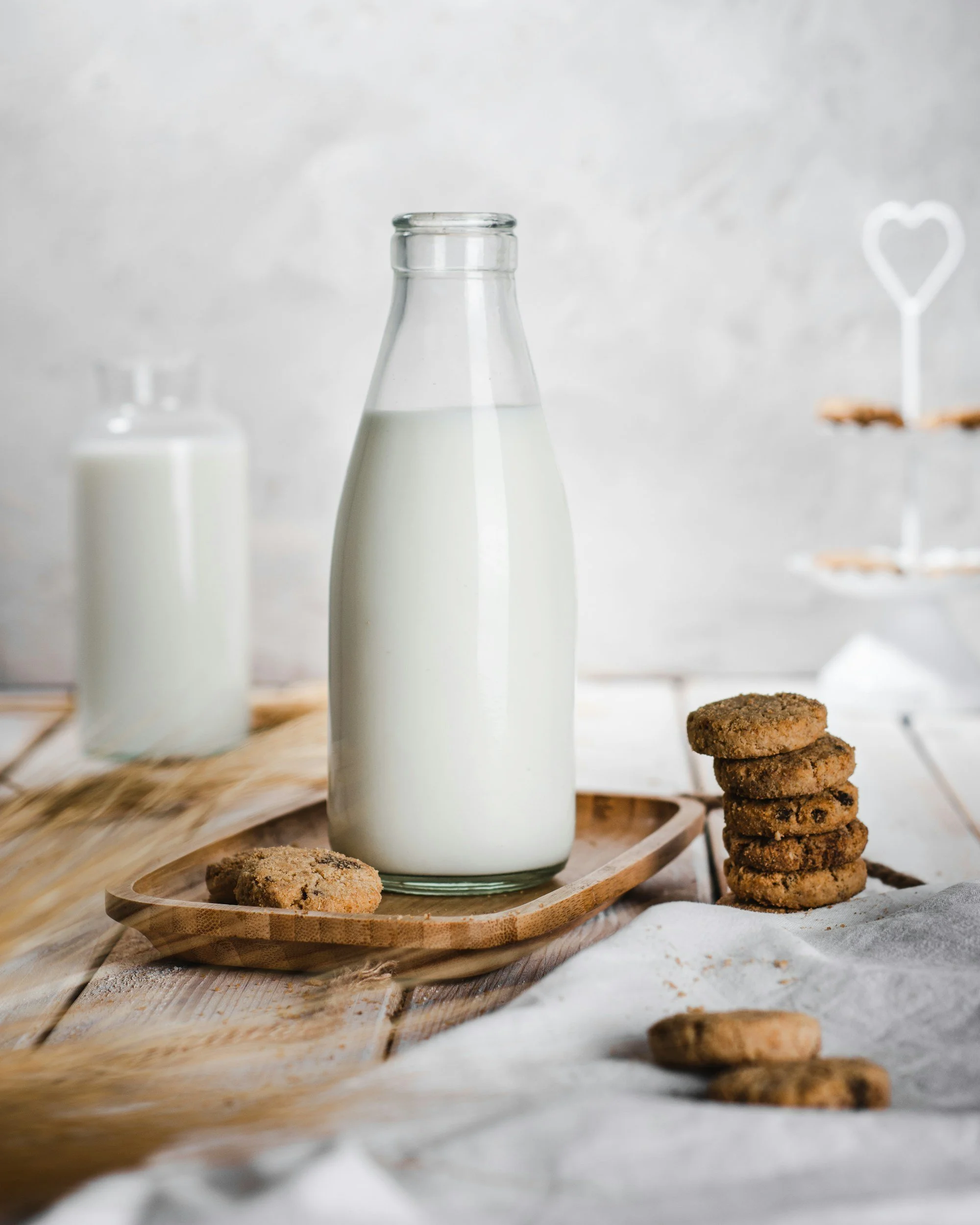
How To Get Calcium In The Diet
Some sources of dietary calcium include:
Milk, yogurt and cheese (ideally skim or lower fat rather than whole milk since higher dietary fat may worsen PMS)
Fortified milk alternatives like almond or oat milk (some brands provide 300mg of calcium per cup)
Almonds
Tofu (with calcium sulfate listed in the ingredients)
Beans (like white beans)
How Does Calcium Help With PMS
Some of the research suggests that women who experience PMS may need more calcium than those who do not. Calcium may support serotonin production which could help improve PMS symptoms. The exact mechanism of how calcium helps is not completely understood yet.
If you need a plan to make your period or premenstrual symptoms more manageable, book a free 15 minute consultation to learn how naturopathic medicine can help you.
Premenstrual dysphoric disorder (PMDD): mood disturbances before the period
Many people have not heard of premenstrual dysphoric disorder (PMDD). PMDD is a disorder that is significantly more debilitating than premenstrual syndrome (PMS). There are many different statistics out there but PMDD may affect 5% of North American people or 10% of people worldwide.
Symptoms
Similar to PMS, symptoms start before the period. They usually start a week before but the window of time can be longer for some women. Symptoms improve as the period starts. The symptoms are so disruptive that they interfere with a person’s life. Symptoms of PMDD include but are not limited to:
Significantly depressed mood, anxiety, mood swings and/or irritability
Fatigue
Difficulty concentrating
Significant changes in appetite
Bloating and/or swelling
Breast tenderness
Headaches
What Causes PMDD
The cause of PMDD is a bit of a mystery. Those with a history of depression, high stress and anxiety are at a higher risk of developing PMDD. PMDD seems to involve changes in brain activity and neurotransmitters like serotonin (the “happiness hormone”), GABA and dopamine that negatively affect the mood. For example, women with PMDD may have poorer functioning serotonin systems during the pre-period stage of their cycle.
Many wonder if a hormone imbalance may be at play with PMDD. That information is not completely clear in studies but researchers have found that women with PMDD have nervous systems that are more sensitive to the natural hormonal fluctuation that happen throughout the month. This leads to greater changes in mood and physical symptoms. An increase in inflammation may also contribute to symptoms.
Treatment
As a naturopathic doctor, my role in helping those with PMDD is to use nutritional supplements, diet and lifestyle recommendations to help improve symptoms alongside herbal remedies when it makes sense for the patient.
When patients are in the midst of their PMDD symptoms, it can be really hard to take care of themselves. It’s important to have a plan that is easy to follow when feeling really down or anxious. Sometimes, it can be helpful to have a longer list of health recommendations (diet, supplements, lifestyle changes etc.) during “non-PMDD” weeks and a more bare-bones list during “PMDD weeks”. Every case is a little different.
If your PMS or PMDD is interfering with your life and you need support, set up a free 15 minute meet and greet to learn more about how I can help.