Blog


Samantha Dass Samantha Dass

Vitamin D and Irregular Periods

woman writing

Have you ever sought help for your irregular cycle only to feel dismissed? Irregular periods don't always get the attention they deserve. Women often are told that their test results are normal or that the irregularities are caused by stress. A birth control prescription to regulate the cycle usually follows, which often feels like a band-aid solution. Although stress is one cause of irregular cycles, there are many other possible causes that are worth exploring.

When my patients tell me that their test results are normal, the first thing that I ask for is a copy of the results so I can see what was actually tested. I do this because sometimes important clues are missing from the test results - vitamin D levels being one of them. 

Vitamin D And Your Cycle 

It’s amazing to see how often vitamin D levels are not tested when a woman complains of an irregular cycle. It’s especially surprising given the growing amount of evidence that vitamin D plays a role in reproductive health. 

Low vitamin D levels have been associated with irregular cycles. There is also research that vitamin D deficiency is linked to longer gaps between periods and polycystic ovarian syndrome (PCOS). 

For the longest time, research has focused on the role that vitamin D plays in bone health but now more studies are showing us that we need vitamin D for hormone health, mental health, immune system health and more. 

How Vitamin D Helps

There are receptors for vitamin D on the ovaries and uterus. That means that these tissues are likely sensitive to vitamin D levels. According to researchers, vitamin D may promote healthy progesterone and estrogen levels by influencing the ovaries as well as hormones produced by the brain. Vitamin D may help lower insulin resistance. Regulating these various hormones helps to promote regular ovulation which is important for maintaining a regular cycle. There are likely many other ways that vitamin D influences our cycles but researchers are still trying to determine the exact mechanisms behind this. 

Signs Of Vitamin D Deficiency 

Signs and symptoms are not always a reliable way to find out if you're deficient in vitamin D because they can be so vague and easy to dismiss. Testing is the most reliable way to truly determine if you are deficient or not. Some common symptoms include:

  • Fatigue

  • Low mood

  • Anxiety 

  • Hair loss

  • Muscle and bone pain

Regulating Your Period

Sometimes it takes real detective work to figure out why your periods are irregular and how to get it back on track. Vitamin D may be one piece of the puzzle but there are many more pieces to consider. If you’re ready to dig deep and figure out the root causes for your irregular periods, book a free 15 minute phone consultation to learn more about how a naturopathic doctor can help. 

Book a free meet and greet
Read More
Samantha Dass Samantha Dass

What Causes a Skipped or Late Period (Besides Pregnancy)

calendar

It can be alarming when a period is missed - especially if you’re used to your period coming like “clockwork”. For some people, irregular periods are the norm. For others, it happens once in a while. Pregnancy needs to be ruled out whenever a period is late but this is not the only cause of a late or skipped period. Below are some other possible causes of a delayed period.


Stress

Stress can interfere with the natural hormonal fluctuations in the body which can in turn interfere with ovulation and the health of the uterus. Ovulation is the process of an egg being released from the ovary and it plays an important role in signaling changes in the uterus and, eventually, a period. Stress is a common cause of a missed period. Keep in mind that sometimes, even when we feel like we are not stressed and are handling our stress well, our bodies can still be impacted by stress. We’re not always the best judges of our stress levels. The body may tell us that we’re stressed before the minds does. 

Anovulatory Cycle 

Some months, ovulation may be skipped entirely. This is known as an anovulatory cycle. Ovulation is an important step that plays a role in maintaining the lining of the uterus and the subsequent shedding of the uterus lining (i.e. a period). Sometimes, ovulation happens later than normal which can push the period back. When ovulation doesn’t happen at all, a period will eventually come due to other hormonal changes but it will often be quite late. It’s normal to have a small amount of cycles without ovulation. Sometimes, a patient will tell me that that they’re period is NEVER late and they’re wondering why they are overdue for their period. In these cases, an anovulatory cycle may be the culprit. If ovulation is skipped regularly, there may be more going on and we’ll need to investigate further. Signs of ovulation include an increase in cervical mucous and body temperature about a week after the period ends (assuming a 7 day period).   


Thyroid Imbalance

High or low thyroid levels can lead to irregular menstrual cycles. The thyroid plays a major role in the health of the reproductive system.


Weight Loss and Very Intense Exercise 

Maintaining a healthy weight is important for hormonal health. Extreme weight loss can disrupt this delicate balance. The same goes for extreme exercise. These two things can put a pause on ovulation which can delay or stop the period. Usually this leads to longer term loss of periods rather than one late cycle. 

Perimenopause

As the body moves towards menopause, a number of changes occur including a drop in estrogen levels. This can lead to shorter or longer gaps between periods. Perimenopause can happen in the 40s but some women start to show signs of it in their 30s. 


Polycystic Ovarian Syndrome

PCOS tends to cause irregular cycles in general rather than the occasional missed period. In cases of PCOS, a number of factors such as elevated androgens and insulin resistance make it difficult for ovulation to happen. This in turn leads to irregular cycles. 


These are just a few of the many reasons why a period could be late or missed. If you would like to start working with a naturopathic doctor to get to the bottom of your period concerns, book a free 15 minute meet and greet and I’d be happy to give you more information about how my services can help.

Book Now
Read More
Samantha Dass Samantha Dass

Support While Coming off the Birth Control Pill

herbal remedies

People choose to come off the pill for a number of different reasons. Some have been on it since adolescence and have changed their mind about being on it. Others are thinking about starting a family. Some want to see if the issues that they were put on the pill for are still there. 


Many women start working with me because they are worried about what will happen when they come off the pill. The birth control pill is sometimes prescribed to manage concerns like acne, painful periods, heavy periods, irregular periods, PCOS, endometriosis etc. It can bring some much needed relief to women dealing with difficult symptoms related to their cycle. That being said, it’s entirely possible for symptoms to come back after coming off the birth control pill and some women are interested in getting support for these symptoms in other ways. 


There’s a lot that naturopathic medicine has to offer in this area. Dietary changes, herbal remedies, nutritional supplements, lifestyle changes and acupuncture can play a role in managing a multitude of women’s health issues, improving acne and preparing for a healthy pregnancy.    


If you’re worried about your acne or period problems coming back with a vengeance post-pill or you want to start preparing your body for a healthy pregnancy, reach out to me and we can discuss how naturopathic medicine can help you through this transition.

Contact Me
Read More
Samantha Dass Samantha Dass

Is This Early Menopause or Anxiety?

menopause anxiety woman.jpg

Heart palpitations, hot flashes, feeling more irritable and frazzled, period getting irregular - these symptoms can all be part of the menopause transition. But they can also be anxiety symptoms as well. It’s often difficult to tell the difference and the two can occur simultaneously. 

Typically, once the period has stopped for a year, menopause is diagnosed. That window of time when the period becomes irregular and menopause symptoms like hot flashes start is called “perimenopause”. This is because “peri” means “around” or “near”. If you’re taking contraceptive or hormone therapy this can sometimes make diagnosis more complicated. 

Sometimes, depending on your age and health history, your naturopathic or family doctor can do blood testing to help determine if you’re near or in menopause. The age you enter into menopause can also be impacted by genetics. Knowing the age that your mother and sisters went into menopause can give you some clues. 

Both menopause and anxiety can be a challenge to face alone. Make sure you’re getting the right medical care and support to help you figure out not only what is going on, but how to manage it. 

Book Now
Read More
Samantha Dass Samantha Dass

Historic Herbs: Motherwort for High Blood Pressure

This is the fourth article in my historic herbs series. To read the previous article click here.

cardiaca-87497_1920.jpg

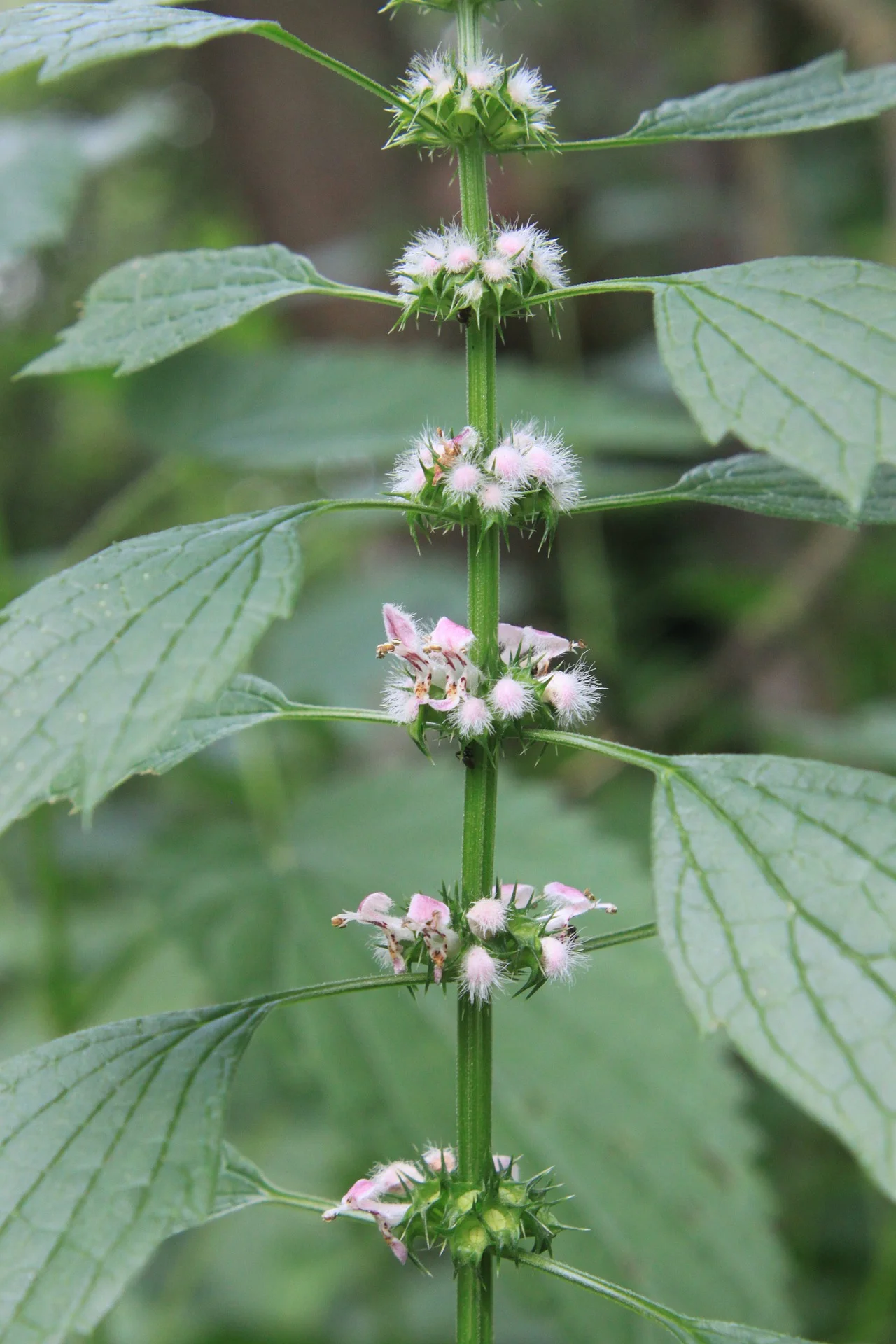
Motherwort (Leonurus cardiaca) is native to Europe and Asia. Now it grows in many places including North America. Historically, it was used for nervous and depressed people to calm the mind and boost the mood. It was also used for heart complaints. This included irregular heart beats, poor circulation and chest pain. It was often given to irritable and anxious people with troubles sleeping. Many of these symptoms are common in hyperthyroidism. It can be used to improve symptoms for hyperthyroid patients.

Motherwort appears to have blood pressure lowering properties. There is research showing that it can lower blood pressure by a significant amount. Results showed within a month of treatment.

It has another, female-specific use as well. Historically, motherwort was used for women who had late or no periods - especially if it was due to stress. It helps to stimulate periods.

The thing about motherwort is that sometimes it can take months for the calming effects to kick in. You need to be patient. However, the beauty of naturopathic medicine is that different treatments can be combined. This can produce stronger or faster effects. I find that blood pressure often improves with an individualized combination of treatments. The right herbs, diet/ nutrition, lifestyle changes and sometimes acupuncture can get results.

Like many herbs, motherwort may interfere with medications and certain health conditions. Always talk to a naturopathic doctor before trying new herbs. If you need help lowering your blood pressure, book and appointment or free 15-minute consult today.

Book Now
Read More
Samantha Dass Samantha Dass

Hormone Testing with a Naturopathic Doctor

gui-2311261_1280.png

Hormone testing can be helpful in guiding treatment plans in some cases. It can tell you which hormones are higher than ideal, which ones are lower than ideal and which ones are normal. This can tell me which herbs, nutrients, dietary and lifestyle changes to recommend. Sometimes it’s obvious what needs to be worked on and we can skip testing. Sometimes it’s not as clear and testing provides guidance.

Cases that I may use hormone testing for are:

- Periods that are irregular and difficult

- Menopause that isn’t responding well to my usual treatments

- Challenging PMS cases

- Difficulty losing weight when there is a suspicion that hormones are involved

- Major fatigue, brain fog and other symptoms when there is a suspicion that hormones are involved


There are different ways that I test hormones. One way is the usual blood test that most family doctors do as well. Another other option is to test saliva. There are pros and cons to both.


Blood Tests

Blood hormone tests have been accepted by the medical community for longer than saliva tests. There is a good amount of research supporting them.

Some MDs and NDs have raised concerns about only relying on blood tests for hormones. Sometimes blood test levels and saliva levels line up with each other. Other times I find that patients with normal blood test levels have saliva levels that are not ideal. These saliva levels often match with the symptoms the patient is experiencing.


Saliva Tests

In order for hormones to enter saliva, they may need to travel into cells/ tissue first. This may not be the case for hormones in the blood stream. Some think this means saliva better reflects the levels of hormones that are actually acting on your cells/ tissues. I won’t be able to explain all the biochemistry here. You should know that research on saliva testing is still ongoing. Opinions on it may change in the future.


Insurance Coverage

It used to be that tests run by naturopathic doctors were not covered by insurance companies. Lately, more insurance companies have been covering testing. The only way to know for sure is to contact your insurance company and ask.

If you need some help managing your hormones book an appointment or free 15-minute consult today.

Book Now
Read More
Samantha Dass Samantha Dass

How Does Acupuncture Work?

What is Acupuncture?

osteopathy-1207800_1920.jpg

Acupuncture involves inserting thin needles into specific points on the body. This achieves a wide range of results. As a naturopathic doctor, I'm licensed to perform acupuncture. It's a tool that helps many people. Acupuncture has been relied on in the east for over 3000 years. Modern scientific research is only beginning to understand this treatment. There is still much that isn’t understood.

In the east, acupuncture sessions are often done many times a week. Most of my patients opt for less frequent visits. Usually we do acupuncture one time a week for a couple sessions. Then we start spreading out the sessions. Once treatment stops, effects usually linger.

In this article, I will explain how acupuncture may work in three different ways.


Chemical Explanation

Studies propose that acupuncture may alter neurotransmitter production. Neurotransmitters are things like serotonin (the “happiness chemical”) and norepinephrine (similar to adrenaline). Acupuncture may also alter brain and nervous system function. For this reason, acupuncture may be helpful for:

- depression, anxiety and other mental health conditions

- digestive issues

- high blood pressure and menopause

- insomnia

- immune health

Acupuncture may also improve blood flow to certain regions of the body. By doing so it can help with period cramps, digestive issues, migraines, pain and more.

Modern science doesn't fully understand why specific acupuncture points have these impacts. MRI studies have linked needling points to altered activity in different parts of the brain. Also points often are over nerve pathways. There is still much to learn.


Mechanical Explanation

In cases of pain management, acupuncture needles are often place near painful areas. They can be placed in muscle knots to release tension. Placing them around nerves can block pain signals that travel along the nerve. The needles may stimulate the release of pain blocking chemicals. This includes opioids and endorphins. 


Traditional Explanation

Of course, before all these explanations there was a traditional explanation for acupuncture. The aim of acupuncture from this point of view was to ensure the healthy movement and amount of “qi”. Some think of “qi” as energy. If you have irregular periods the traditional explanation may be that you have blocked qi. If you get sick all the time it may be blamed on deficient qi.

Another goal is to balance yin and yang. Yang represents heat and energy while yin represents coolness, moisture and rest. Someone who is hypothyroid, cold all the time and exhausted may be diagnosed as deficient in yang. A constipated person with light or no periods may be considered low in yin.

The traditional explanation also involves improving the health of various organs.

This is an over-simplification but my aim is to just give you a very general understanding.


Would you like to try acupuncture for any of the conditions mention above? Are you wondering if something you’re suffering with could be treated with acupuncture? Book an appointment or free 15- minute consult to find out!

Book Now
Read More