Blog


Samantha Dass Samantha Dass

PCOS, Anxiety and Depression

anxious woman

Polycystic Ovarian Syndrome (PCOS) is a condition that involves irregular periods, metabolic issues like weight gain and insulin resistance, and symptoms of excess androgen hormones like acne and hair loss (or excess growth). It’s a common condition but what is often not talked about is its connection with mental health.

Women with PCOS are more likely to have anxiety or depression. This could be because some of the symptoms (like acne, hair loss, and infertility) take a psychological toll on those who experience them by impacting self esteem, relationships, and important life goals. It’s possible that the biological factors in PCOS like insulin resistance and elevated androgens are contributing to the anxiety or depression directly but there is limited and inconsistent information on this from studies. 

Associations have also been found between PCOS and eating disorders, bipolar disorder, and obsessive compulsive disorder. 

Treatment 

Treating the mental health aspects of PCOS means treating the PCOS itself by balancing the hormones that are out of range and improving the symptoms. Because it can take time for symptoms to improve, treating anxiety and depression directly can also be beneficial. Some of the natural remedies that help with PCOS can help improve mental health too. Talk to your naturopathic doctor to get a treatment plan that address both your mental and physical PCOS symptoms.

Book Now
Read More
Samantha Dass Samantha Dass

Stress Part 2: Hormones

psychology-2422442_1920.png

This is the second article of my series on stress. To read the previous article click here.

Last week I discussed how stress can affect the skin. Today I’ll be talking about some different ways stress can make hormones go haywire. Most women remember a time when their period went wonky during a stressful episode in life. This is just one example of how stress can impact hormones. Read on to find out how stress can play a role in hormonal conditions.


Irregular/ Absent Periods

Amenorhea is the term used for when you miss your period for multiple cycles. When this is caused by stress it’s known as hypothalamic amenorrhea. This fancy term is used because when you're stressed the part of the brain called the hypothalamus triggers a release of different stress hormones like cortisol. This can cause the brain to release less of the hormones important for your cycle (like LH and FSH). This ends up disturbing the ovulation process and the whole cycle. A similar process can lead to irregular periods.


Infertility

One of the most common pieces of advice given to women trying to get pregnant is to be less stressed. Like with hypothalamic amenorrhea, stress can lead to less consistent ovulation. This can make getting pregnant more complicated. Preliminary studies have found that stress can lead to something called reproductive aging. This involves decreased ability for the ovaries to produce a healthy egg.


Diabetes

There is some research suggesting that stress hormones like cortisol can make your body respond less to the hormone insulin. This makes it harder for your body to control blood sugar. Blood sugar may remain high for longer after meals when you’re stressed.


Thyroid Dysfunction

Improving stress levels has been shown to improve thyroid hormone levels. Cortisol can reduce thyroid hormone levels.


Men’s Health

Don’t think that stress only impacts women’s health! Hormones in men are also affected by stress. The effects are less understood though. There is research suggesting that stress may lower testosterone levels in men.


As you can see stress management is an important part of a plan to treat any of these conditions. If you need help with your hormones or your stress levels book an appointment or free 15 minute consult.

Book Now
Read More
Samantha Dass Samantha Dass

How Does Acupuncture Work?

What is Acupuncture?

osteopathy-1207800_1920.jpg

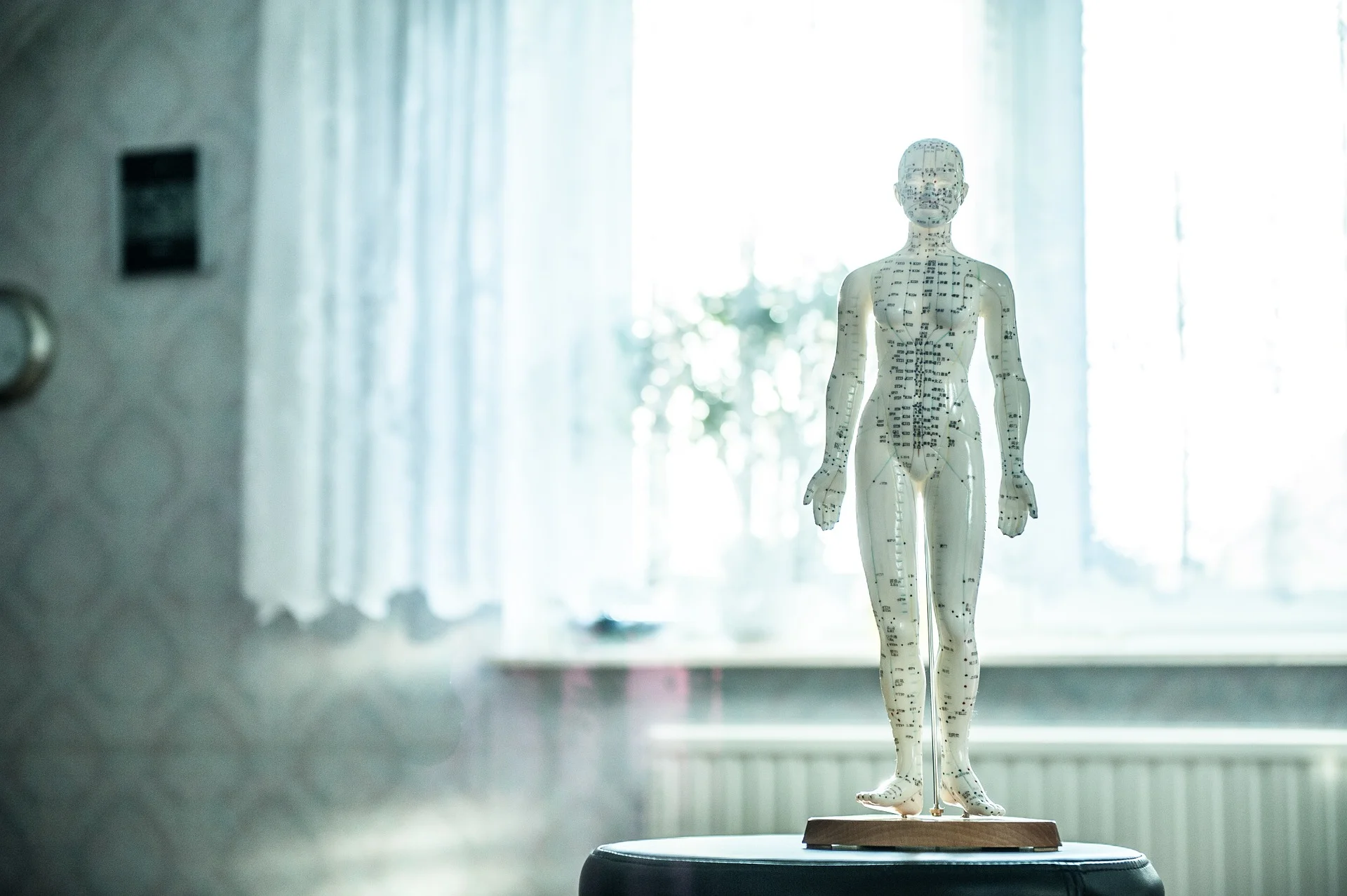
Acupuncture involves inserting thin needles into specific points on the body. This achieves a wide range of results. As a naturopathic doctor, I'm licensed to perform acupuncture. It's a tool that helps many people. Acupuncture has been relied on in the east for over 3000 years. Modern scientific research is only beginning to understand this treatment. There is still much that isn’t understood.

In the east, acupuncture sessions are often done many times a week. Most of my patients opt for less frequent visits. Usually we do acupuncture one time a week for a couple sessions. Then we start spreading out the sessions. Once treatment stops, effects usually linger.

In this article, I will explain how acupuncture may work in three different ways.


Chemical Explanation

Studies propose that acupuncture may alter neurotransmitter production. Neurotransmitters are things like serotonin (the “happiness chemical”) and norepinephrine (similar to adrenaline). Acupuncture may also alter brain and nervous system function. For this reason, acupuncture may be helpful for:

- depression, anxiety and other mental health conditions

- digestive issues

- high blood pressure and menopause

- insomnia

- immune health

Acupuncture may also improve blood flow to certain regions of the body. By doing so it can help with period cramps, digestive issues, migraines, pain and more.

Modern science doesn't fully understand why specific acupuncture points have these impacts. MRI studies have linked needling points to altered activity in different parts of the brain. Also points often are over nerve pathways. There is still much to learn.


Mechanical Explanation

In cases of pain management, acupuncture needles are often place near painful areas. They can be placed in muscle knots to release tension. Placing them around nerves can block pain signals that travel along the nerve. The needles may stimulate the release of pain blocking chemicals. This includes opioids and endorphins. 


Traditional Explanation

Of course, before all these explanations there was a traditional explanation for acupuncture. The aim of acupuncture from this point of view was to ensure the healthy movement and amount of “qi”. Some think of “qi” as energy. If you have irregular periods the traditional explanation may be that you have blocked qi. If you get sick all the time it may be blamed on deficient qi.

Another goal is to balance yin and yang. Yang represents heat and energy while yin represents coolness, moisture and rest. Someone who is hypothyroid, cold all the time and exhausted may be diagnosed as deficient in yang. A constipated person with light or no periods may be considered low in yin.

The traditional explanation also involves improving the health of various organs.

This is an over-simplification but my aim is to just give you a very general understanding.


Would you like to try acupuncture for any of the conditions mention above? Are you wondering if something you’re suffering with could be treated with acupuncture? Book an appointment or free 15- minute consult to find out!

Book Now
Read More
Samantha Dass Samantha Dass

How Everyday Products Can Impact Your Hormones

kaboompics_Collection of bottles in metal mesh basket.jpg

Many household products contain ingredients that have been shown to alter hormonal systems. These ingredients are called “endocrine disruptors”. Now, I have no intention to make you feel paranoid with this article. I would just like to provide some information for you to mull over. Maybe it’ll help you make some changes with the products you stock your home with. Or maybe you’ll decide that nothing stated here makes you worried enough to change things up. The point is that you’re informed for your own health journey!


Overview: Some Important Lists

If you’re wondering what I mean by “household products” here are some examples:

- plastics (containers, packaging, wrappings etc.)

- antiperspirants, fragrances, cosmetics

- moisturizers and hair dyes

- air fresheners, detergents and cleaning products


And it’s more than just BPA, parabens and aluminum I'm talking about. There are other ingredients that have been shown to impact hormone systems. Ingredients like:

- preservatives and plasticizers

- anti-aging ingredients

- ingredients to give the product a certain texture

- fragrances added to products


The hormones that have been affected in studies are estrogen, progesterone, androgens (like testosterone) and thyroid hormones. The catch is that a lot of this research is in animals so it must be taken with a grain of salt. Scientists are still debating over the role these products play in human health. There are hypotheses about these products playing a role in:

- Breast and other types of cancer, benign breast cysts, fibroadenomas

- Diabetes, obesity and metabolic syndrome

- Infertility


Studies may find that a specific chemical does not cause a disease. However, we're not exposed to just one chemical. We're exposed to many. There is little information about the cumulative effect of all these chemicals.


What to Do

It can create a lot of anxiety to worry about everything in your environment. I believe it’s best to balance being cautious with being practical.

Pick and choose the products you want to replace with more natural alternatives. Many people opt for a good quality plant oil to moisturize with rather than a synthetic cream. There are many DIY recipes online for household cleaners. Swapping plastic containers for glass is another popular option. Also, there’s the option of using natural deodorants or avoiding fragrances.

I tend to use simple kitchen ingredients for a lot of things. If you’re going to buy pre-made natural products at the store be sure to read the ingredients. Don’t pay a high price for something that seems all-natural but is not. Don’t assume that just because a store looks “naturey” it means the products are all-natural.

Even herbs and nutrients can play a role in hormonal health. If you need some guidance on hormonal health book an appointment or free 15-minute consultation.

Book Now

Sources

PMID: 20393002; PMID: 20932229; PMID: 22991565

Read More