Blog


Samantha Dass Samantha Dass

Is Your Blood Pressure Being Measured Correctly?

blood-pressure-3524615_1920.jpg

Updated blood pressure guidelines were released in Canada this year. The guidelines state that blood pressure is often not measured correctly. Blood pressure is commonly falsely increased because of this. Below I discuss some important steps to keep in mind when taking your own blood pressure or having someone else take it.


Heart Level

Make sure your arm is at the same level as your heart when blood pressure is taken. If your arm is too low, levels can increase by up to 10 mmHg for the top number (systolic blood pressure) and 11 mmHg for the bottom number (diastolic blood pressure). Your arm should be well supported at heart level – you should not be using your own strength to support it. Lack of support can raise blood pressure by 2 mmHg for both the systolic and diastolic levels.


Uncrossed Legs

Uncross your legs during blood pressure readings. Crossed legs can raise pressure by up to 10/5 mmHg (i.e. 10 systolic points and 5 diastolic points).


No Talking

You should be silent when you have your blood pressure taken. Speaking during the procedure can increase pressure by 17/13 mmHg or more.


Let Your Temperature Regulate

If you were just exposed to the cold, this can spike blood pressure by 11/8 mmHg or more.


Cuff Size

Ensure that you’re using the correct cuff size. A cuff that is too small can falsely raise blood pressure. Follow the cuff size instructions for your home machine. Don’t hesitate to ask your healthcare provider if they’re using the right size.


Automated Is Preferred

The guidelines state that manual blood pressure (i.e. the gadget with the bulb that you pump) is still fine to use. However, blood pressure machines are preferred. Not all machine are recognized as reliable. Hypertension Canada lists some approved machines.


Multiple Readings

If blood pressure is high in the office, it’s best to have readings done at home as well. This is an important step before making a diagnosis of high blood pressure. When having blood pressure taken in an office, it’s recommended to have a machine take your blood pressure while you are sitting alone in a room. If a machine is being used by your healthcare provider, two or more readings should be done in one appointment. If a manual device is being used, at least 3 readings should be done in one appointment.


More Recommendations for At-Home Measurements

Here are some rules listed in the guidelines that you may be forgetting about:

- You should take your blood pressure on your non-dominant arm. If the top number is different between your two arms by more than 10 mmHg, then you should use the arm that gets the higher number.

- Sit for 5 minutes before taking your pressure.

- Your arm should be bare.

- Do measurements before breakfast and again two hours after dinner. Ideally, 2 measurements should be done in the morning and two in the evening for seven days.

- No caffeine or cigarettes for 60 minutes before readings and no exercise for 30 minutes before.


What do the Results Mean?

The guidelines listed some general cut-offs for high blood pressure. The cut-offs may differ depending on your unique health status. Talk to your family doctor and naturopath for more information.

- When using a machine: 135/85 mmHg or more is considered high.

- When using a manual device: 140/90 mmHg or more is high (130/85 mmHg is high-normal).

- When using a home monitor: 135/85 mmHg or more is high (remember, this is an average of several days of readings).


How Can I Help?

Working with both your family doctor and a naturopathic doctor can give you more options for keeping your blood pressure under control. Click below to book an appointment or free 15-minute consult to learn more.

Book Now
Read More
Samantha Dass Samantha Dass

Historic Herbs: Motherwort for High Blood Pressure

This is the fourth article in my historic herbs series. To read the previous article click here.

cardiaca-87497_1920.jpg

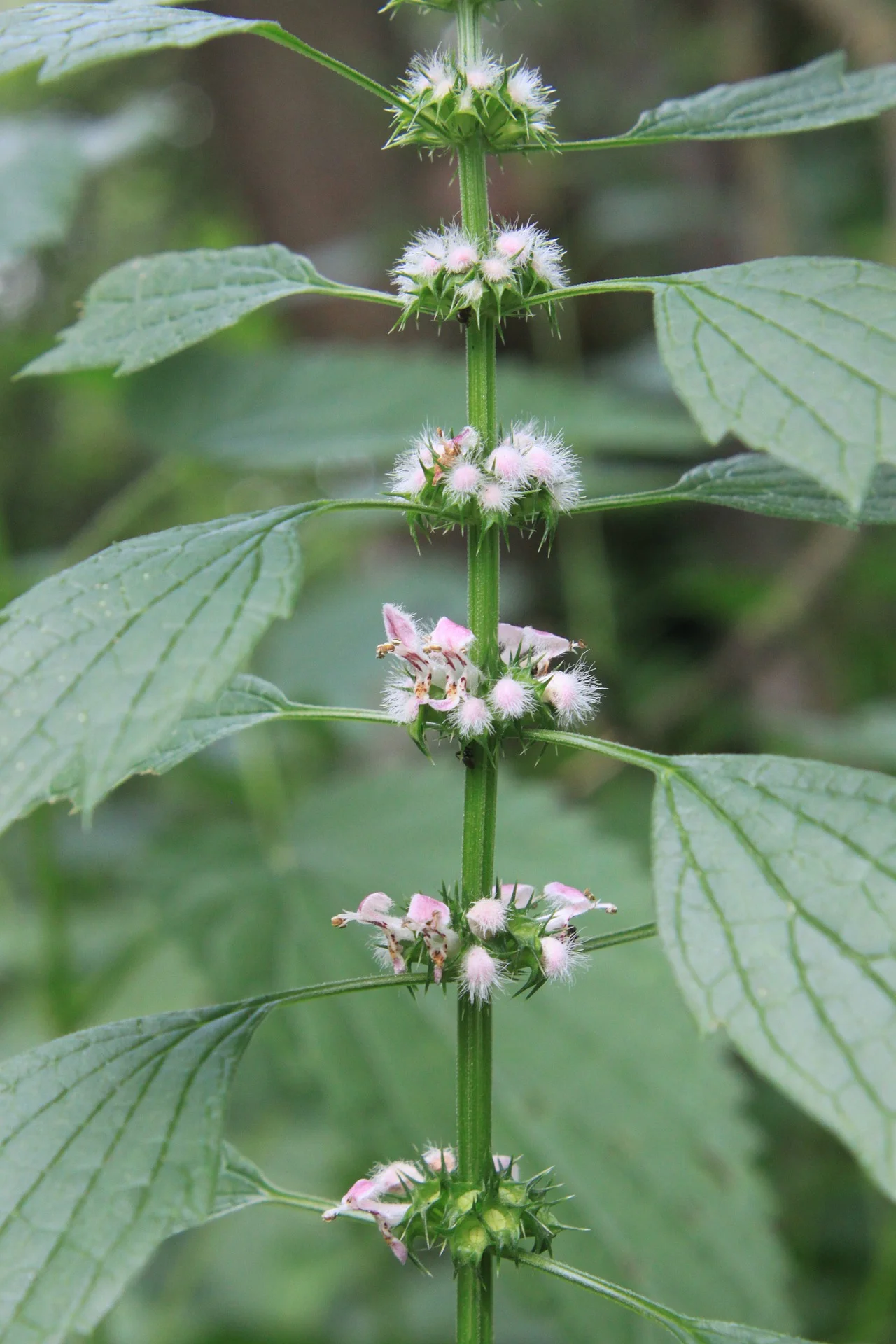
Motherwort (Leonurus cardiaca) is native to Europe and Asia. Now it grows in many places including North America. Historically, it was used for nervous and depressed people to calm the mind and boost the mood. It was also used for heart complaints. This included irregular heart beats, poor circulation and chest pain. It was often given to irritable and anxious people with troubles sleeping. Many of these symptoms are common in hyperthyroidism. It can be used to improve symptoms for hyperthyroid patients.

Motherwort appears to have blood pressure lowering properties. There is research showing that it can lower blood pressure by a significant amount. Results showed within a month of treatment.

It has another, female-specific use as well. Historically, motherwort was used for women who had late or no periods - especially if it was due to stress. It helps to stimulate periods.

The thing about motherwort is that sometimes it can take months for the calming effects to kick in. You need to be patient. However, the beauty of naturopathic medicine is that different treatments can be combined. This can produce stronger or faster effects. I find that blood pressure often improves with an individualized combination of treatments. The right herbs, diet/ nutrition, lifestyle changes and sometimes acupuncture can get results.

Like many herbs, motherwort may interfere with medications and certain health conditions. Always talk to a naturopathic doctor before trying new herbs. If you need help lowering your blood pressure, book and appointment or free 15-minute consult today.

Book Now
Read More
Samantha Dass Samantha Dass

How Does Acupuncture Work?

What is Acupuncture?

osteopathy-1207800_1920.jpg

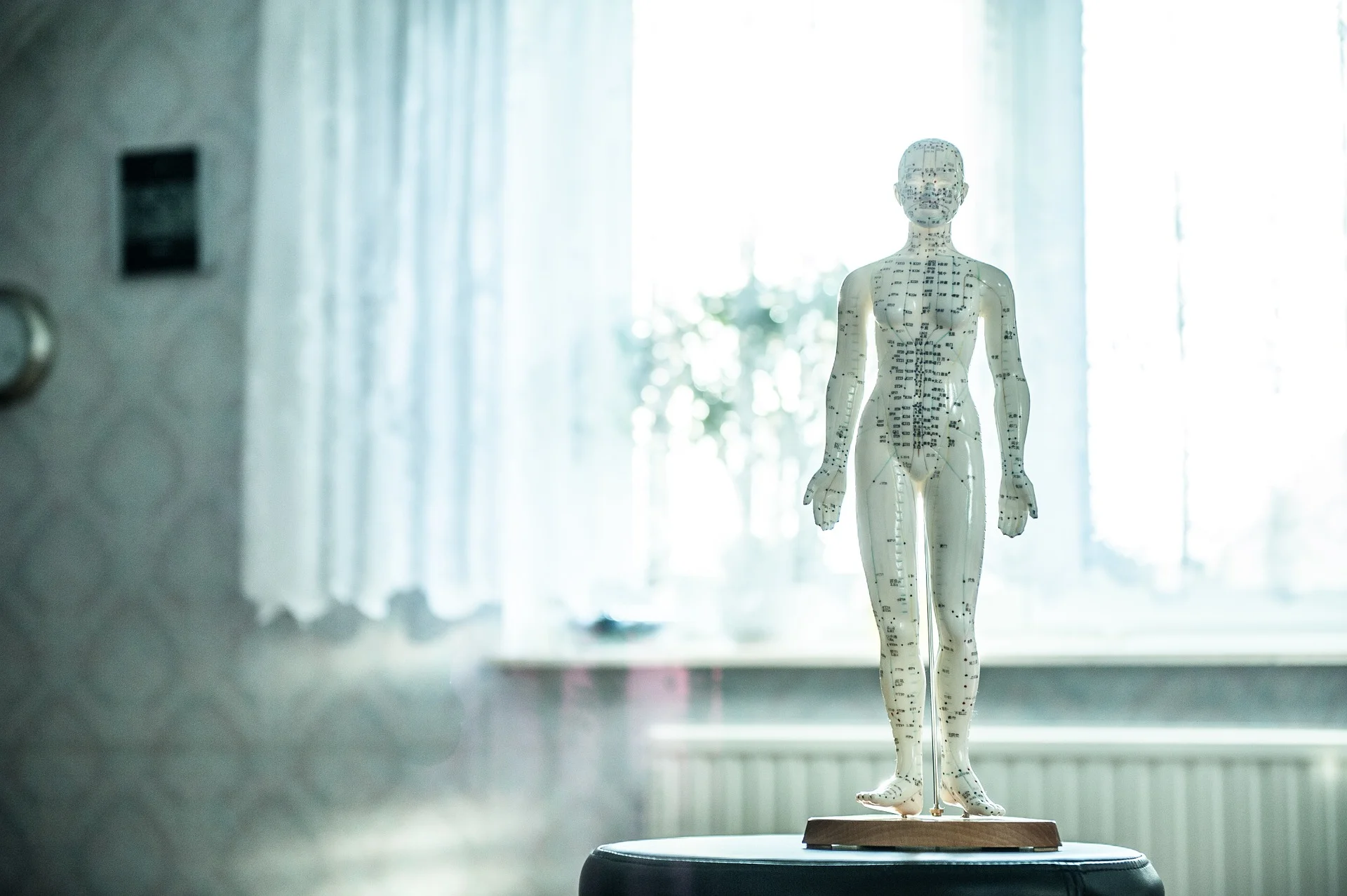
Acupuncture involves inserting thin needles into specific points on the body. This achieves a wide range of results. As a naturopathic doctor, I'm licensed to perform acupuncture. It's a tool that helps many people. Acupuncture has been relied on in the east for over 3000 years. Modern scientific research is only beginning to understand this treatment. There is still much that isn’t understood.

In the east, acupuncture sessions are often done many times a week. Most of my patients opt for less frequent visits. Usually we do acupuncture one time a week for a couple sessions. Then we start spreading out the sessions. Once treatment stops, effects usually linger.

In this article, I will explain how acupuncture may work in three different ways.


Chemical Explanation

Studies propose that acupuncture may alter neurotransmitter production. Neurotransmitters are things like serotonin (the “happiness chemical”) and norepinephrine (similar to adrenaline). Acupuncture may also alter brain and nervous system function. For this reason, acupuncture may be helpful for:

- depression, anxiety and other mental health conditions

- digestive issues

- high blood pressure and menopause

- insomnia

- immune health

Acupuncture may also improve blood flow to certain regions of the body. By doing so it can help with period cramps, digestive issues, migraines, pain and more.

Modern science doesn't fully understand why specific acupuncture points have these impacts. MRI studies have linked needling points to altered activity in different parts of the brain. Also points often are over nerve pathways. There is still much to learn.


Mechanical Explanation

In cases of pain management, acupuncture needles are often place near painful areas. They can be placed in muscle knots to release tension. Placing them around nerves can block pain signals that travel along the nerve. The needles may stimulate the release of pain blocking chemicals. This includes opioids and endorphins. 


Traditional Explanation

Of course, before all these explanations there was a traditional explanation for acupuncture. The aim of acupuncture from this point of view was to ensure the healthy movement and amount of “qi”. Some think of “qi” as energy. If you have irregular periods the traditional explanation may be that you have blocked qi. If you get sick all the time it may be blamed on deficient qi.

Another goal is to balance yin and yang. Yang represents heat and energy while yin represents coolness, moisture and rest. Someone who is hypothyroid, cold all the time and exhausted may be diagnosed as deficient in yang. A constipated person with light or no periods may be considered low in yin.

The traditional explanation also involves improving the health of various organs.

This is an over-simplification but my aim is to just give you a very general understanding.


Would you like to try acupuncture for any of the conditions mention above? Are you wondering if something you’re suffering with could be treated with acupuncture? Book an appointment or free 15- minute consult to find out!

Book Now
Read More