Blog


Samantha Dass Samantha Dass

Support While Coming off the Birth Control Pill

herbal remedies

People choose to come off the pill for a number of different reasons. Some have been on it since adolescence and have changed their mind about being on it. Others are thinking about starting a family. Some want to see if the issues that they were put on the pill for are still there. 


Many women start working with me because they are worried about what will happen when they come off the pill. The birth control pill is sometimes prescribed to manage concerns like acne, painful periods, heavy periods, irregular periods, PCOS, endometriosis etc. It can bring some much needed relief to women dealing with difficult symptoms related to their cycle. That being said, it’s entirely possible for symptoms to come back after coming off the birth control pill and some women are interested in getting support for these symptoms in other ways. 


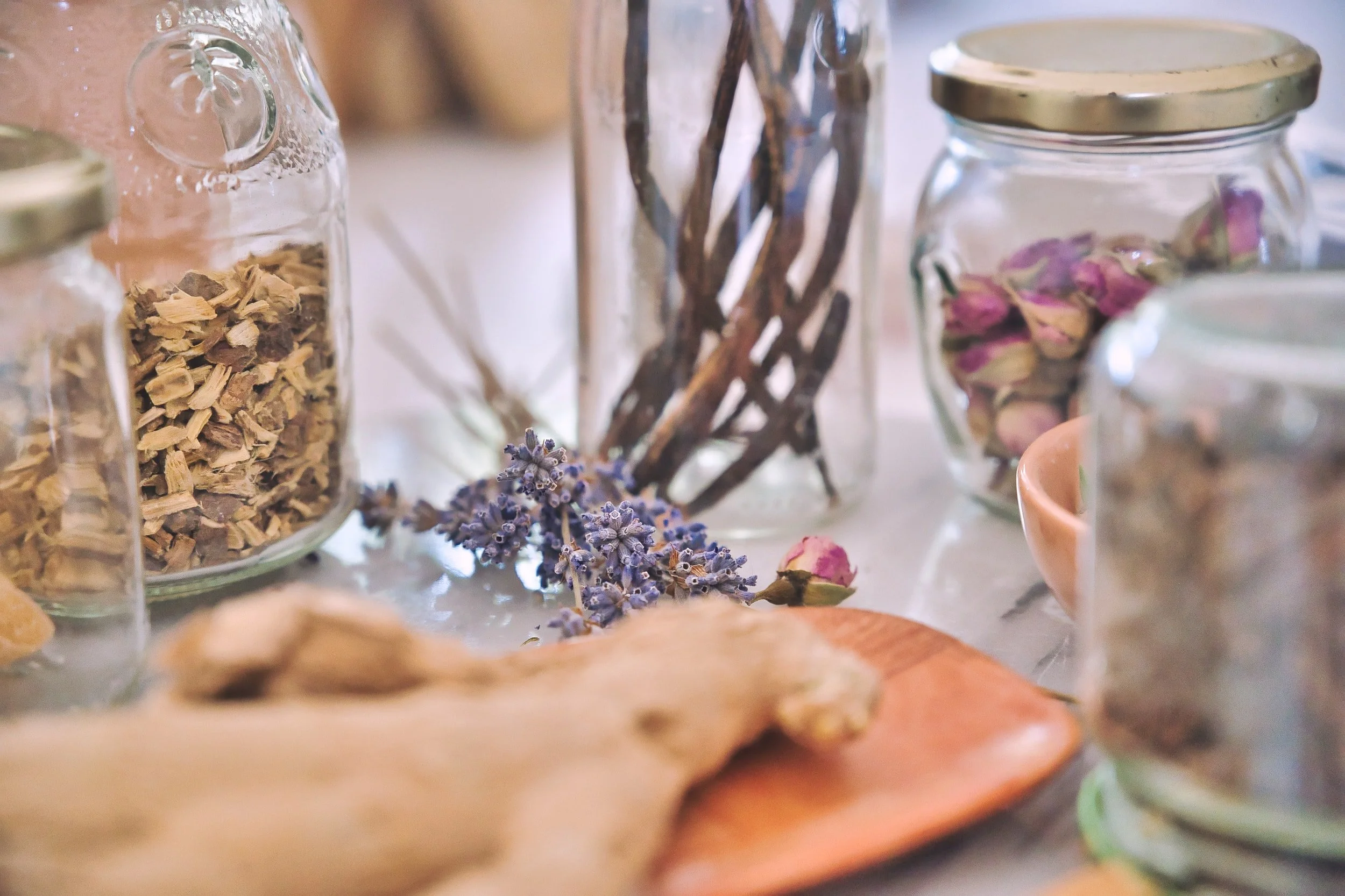
There’s a lot that naturopathic medicine has to offer in this area. Dietary changes, herbal remedies, nutritional supplements, lifestyle changes and acupuncture can play a role in managing a multitude of women’s health issues, improving acne and preparing for a healthy pregnancy.    


If you’re worried about your acne or period problems coming back with a vengeance post-pill or you want to start preparing your body for a healthy pregnancy, reach out to me and we can discuss how naturopathic medicine can help you through this transition.

Contact Me
Read More
Samantha Dass Samantha Dass

What Does “Holistic Medicine” Even Mean?

watercolour-1766297_1920.jpg

The word “holistic” has become more popular over the years. The use of the term skyrocketed from the late 60s on. We associate it with concepts like “all natural”, “traditional” and maybe even “spiritual”. But what does this term actually mean? Why do naturopaths and other health care providers use the word?

Holistic medicine means you consider the whole person when treating a patient. But even that definition may sound a little vague. When I diagnose and treat I consider many factors that are important to health. I don’t just treat a symptom. Below, I’ll use an example to better explain what holistic means.


Case: Digestive Complaint

Say a patient comes to me complaining of a troublesome gut. Bloating, constipation, cramping – the whole package.

If I was only treating the symptoms and not being holistic I would give them a digestive aid and a laxative or stool softening remedy and call it a day.

But I don’t stop there. I treat holistically.

First, I would consider why the digestive system is out of whack in the first place. Is the gut bacteria off? Are certain digestive enzymes less than optimal? Is the peristalsis (the motion of the stomach, intestines etc.) dysfunctional?

I would analyze the diet. I'd look for any eating habits that could be interfering with digestive health. If the patient is not eating right, I figure out why. Is it because they don’t know how to? Do they need help figuring out how to eat right with limited time? Do they have cravings that lead them away from eating right?

I would also consider other health issues that could tie into the digestive issue. For example, the patient might have strong PMS symptoms and hormonal imbalances. These can worsen the digestive issue. Are their supplements contributing to the issue? Are their medications contributing?

Then I would dig into mental health. This has a huge impact on many conditions including digestive health. Are stress levels high? Is there some anxiety or depression? Is there emotional eating?

I even look into lifestyle factors that may seem unrelated to digestive issues. Optimizing factors like sleep quality, exercise level and hydration can improve many symptoms.

I gather all this information and use it to form a holistic treatment plan. The plan treats the whole person. It addresses so many factors in their life that are related to the symptom they need help with.


It rarely makes sense in healthcare to look at just a symptom, treat that symptom and ignore everything else that is going on in a person’s life. If the holistic approach sounds interesting to you, don't hesitate to book an appointment or free 15-minute consult.

Book Now
Read More
Samantha Dass Samantha Dass

How Does Acupuncture Work?

What is Acupuncture?

osteopathy-1207800_1920.jpg

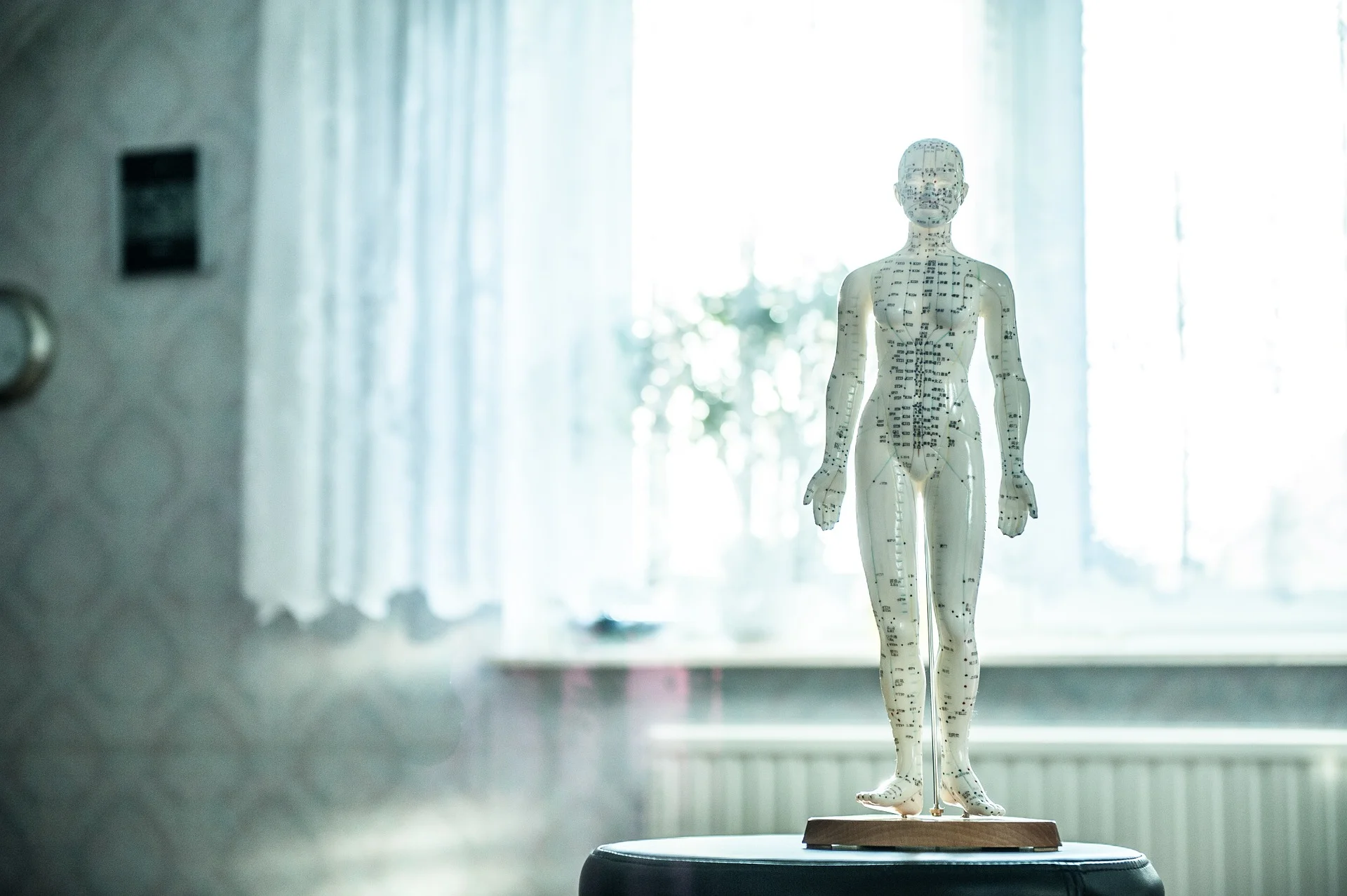
Acupuncture involves inserting thin needles into specific points on the body. This achieves a wide range of results. As a naturopathic doctor, I'm licensed to perform acupuncture. It's a tool that helps many people. Acupuncture has been relied on in the east for over 3000 years. Modern scientific research is only beginning to understand this treatment. There is still much that isn’t understood.

In the east, acupuncture sessions are often done many times a week. Most of my patients opt for less frequent visits. Usually we do acupuncture one time a week for a couple sessions. Then we start spreading out the sessions. Once treatment stops, effects usually linger.

In this article, I will explain how acupuncture may work in three different ways.


Chemical Explanation

Studies propose that acupuncture may alter neurotransmitter production. Neurotransmitters are things like serotonin (the “happiness chemical”) and norepinephrine (similar to adrenaline). Acupuncture may also alter brain and nervous system function. For this reason, acupuncture may be helpful for:

- depression, anxiety and other mental health conditions

- digestive issues

- high blood pressure and menopause

- insomnia

- immune health

Acupuncture may also improve blood flow to certain regions of the body. By doing so it can help with period cramps, digestive issues, migraines, pain and more.

Modern science doesn't fully understand why specific acupuncture points have these impacts. MRI studies have linked needling points to altered activity in different parts of the brain. Also points often are over nerve pathways. There is still much to learn.


Mechanical Explanation

In cases of pain management, acupuncture needles are often place near painful areas. They can be placed in muscle knots to release tension. Placing them around nerves can block pain signals that travel along the nerve. The needles may stimulate the release of pain blocking chemicals. This includes opioids and endorphins. 


Traditional Explanation

Of course, before all these explanations there was a traditional explanation for acupuncture. The aim of acupuncture from this point of view was to ensure the healthy movement and amount of “qi”. Some think of “qi” as energy. If you have irregular periods the traditional explanation may be that you have blocked qi. If you get sick all the time it may be blamed on deficient qi.

Another goal is to balance yin and yang. Yang represents heat and energy while yin represents coolness, moisture and rest. Someone who is hypothyroid, cold all the time and exhausted may be diagnosed as deficient in yang. A constipated person with light or no periods may be considered low in yin.

The traditional explanation also involves improving the health of various organs.

This is an over-simplification but my aim is to just give you a very general understanding.


Would you like to try acupuncture for any of the conditions mention above? Are you wondering if something you’re suffering with could be treated with acupuncture? Book an appointment or free 15- minute consult to find out!

Book Now
Read More