
Blog


Samantha Dass Samantha Dass

High Cholesterol In Young Adults

We often associate high cholesterol levels with older adults. The reality is that millions of adults in North America who are under 40 years old have high cholesterol levels. 
woman at desk

We often associate high cholesterol levels with older adults. The reality is that millions of adults in North America who are under 40 years old have high cholesterol levels. 

It can be really jarring as a 30 year old to go for a routine check-up only to find out that your cholesterol levels are unexpectedly out of range. If you’re like many of my patients, your diet might not even be “that bad” which makes the test results even more frustrating. 

Of course, one reason for high cholesterol levels in young, otherwise healthy people is genetics. Some people were born with genetic mutations that just make it harder for their body to metabolize cholesterol. 

But this isn’t the case for everyone. Here are two risk factors that I find in many of my patients who are in their 30s and early 40s, eat reasonably balanced diets and still have high cholesterol levels: 

1. Sedentary Lifestyle 

Exercise keeps cholesterol levels in check in a number of ways. It boosts the production of good cholesterol and it helps your body utilize fat better. I have found that many of my patients may have decent diets, but they work all day at a desk and are often too tired during the week and too busy on weekends to even think about exercise. Many people have dogs to walk which definitely helps with getting steps in, but there is little vigorous cardiovascular or muscle-building exercise in their weekly routine. 

I’m not judging here. I spend a lot of time sitting when I’m in the office and it always takes effort to motivate myself to exercise. That being said, I do my best to keep my reasons for exercising at the forefront of my mind which helps me push myself to do 20 minutes of YouTube exercise most days. It doesn’t take much, start with 10-20 minutes a couple times a week and build from there. 

We want to aim for at least 150 minutes of moderate-vigorous cardiovascular exercise each week (e.g. brisk walking, swimming, cycling) plus 2 days a week of muscle building exercise like yoga or weight lifting. If walking your dog is not getting your heart beating faster and getting you panting a bit, it may not be vigorous enough. 

2. Stress

I’m not just blaming stress because I work in the mental health field. It is well accepted that stress can increase cholesterol levels. This is due to a couple different processes that happen in the body. Stress can increase the release of stress hormones (like cortisol) which in turn makes the body release more fat into the blood stream. Stress makes the body think that it’s gearing up for danger so it wants to have energy on hand in the blood stream. Long term, this can lead to elevated blood cholesterol levels in your test results and plaque formation in the arteries. 

Managing cholesterol takes a multi-pronged approach that may involve diet changes, exercise plans, stress and sleep support, medication and natural supplements. If you’re young and your cholesterol levels are high, try not to panic. Just think of this as an indicator that your body is asking for some extra help in certain areas. Luckily a lot can be done to manage cholesterol levels in many cases.

Book Now
Read More
Samantha Dass Samantha Dass

Myo-Inositol: What You Should Know

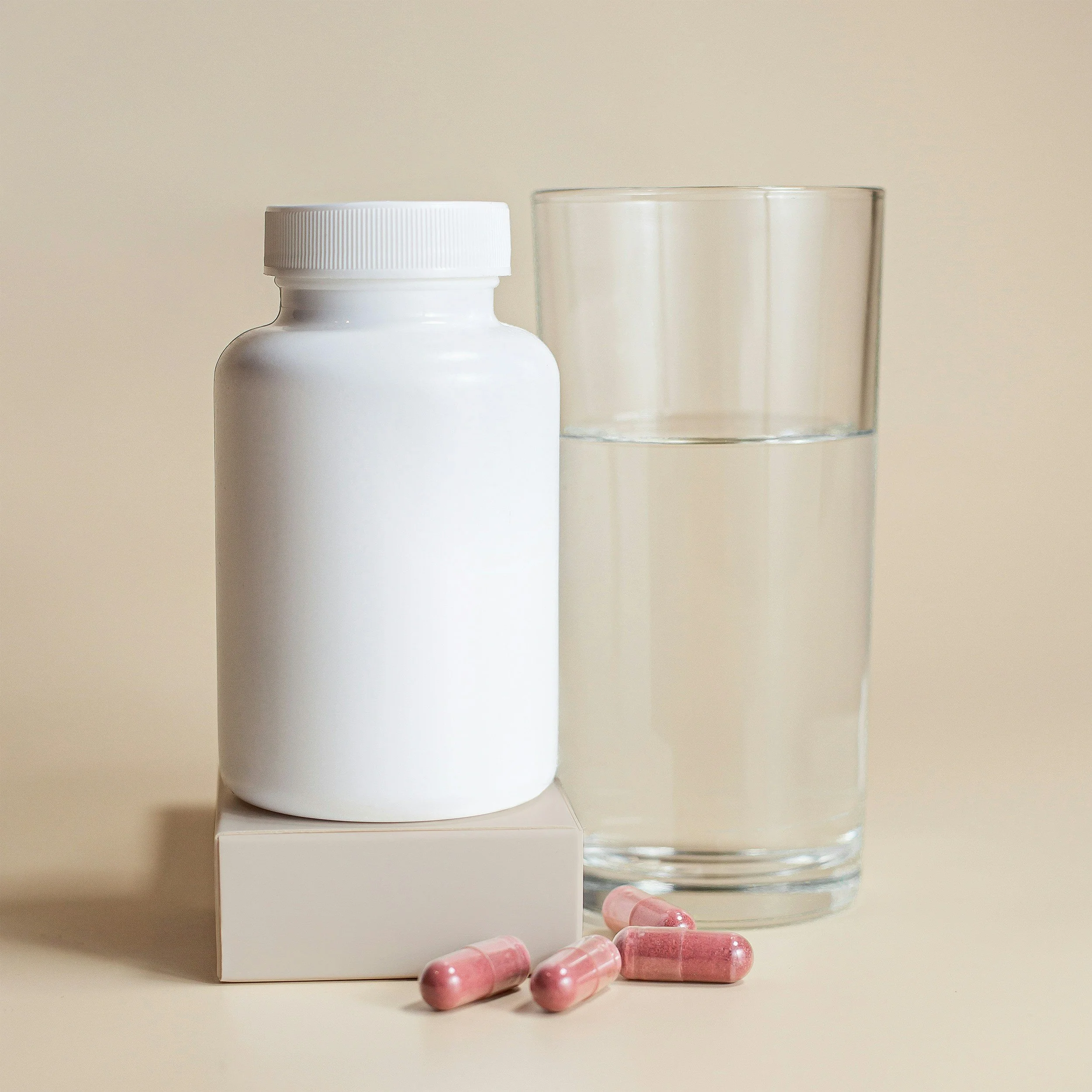
bottle with pills and water

What is myo-inositol?

Inositol is a compound produced naturally in the human body and found in foods such as grains, organ meat, almonds, beans and certain fruits but it may be difficult to get all of the inositol our body needs from a modern diet alone. It’s typically sold in two different supplement forms: myo-inositol and chiro-inositol. Certain factors increase our body’s need for inositol. These include having a high amount of refined sugar in the diet, high blood sugar and increasing age. 

Myo-inositol plays a role in many functions in our body including how hormones (like insulin) and neurotransmitters communicate with our cells. It seems to be important in organs like the brain and ovaries because of these roles. 

What conditions is it used for?

Inositol is a popular supplement used for a wide array of conditions such as PCOS, diabetes and insulin resistance, thyroid disorders, elevated cholesterol, anxiety, depression and obsessive compulsive disorder. 

What doses are used?

The dose used depends on the condition being treated with lower doses being used for PCOS and thyroid issues (anywhere from 1-9 grams) and higher doses being used for mental health conditions. Studies on inositol often span from 3 months to a year so it may take time before improvements in symptoms are noticed. 

What about D-chiro-inositol? 

D-chiro-inositol is another form of myo-inositol found naturally in the body. It’s made from myo-inositol and is found in many body parts including muscle and the liver. Many studies on conditions like PCOS show that myo-inositol supplementation alone can improve symptoms. However, there may be cases when supplementing with both forms is beneficial. Your naturopathic doctor can help you decide the best course of action. 

Does it have side effects?

Bloating and gastrointestinal discomfort are possible side effects but this typically happens at higher doses. Taking it with food may help prevent this. It may interact with certain medications which your naturopathic doctor can help you figure out. 

If you have questions about the supplements you’re taking, book a free 15 minute phone consultation so we can talk about how I can help.

Book Now
Read More
Samantha Dass Samantha Dass

Moringa: What’s the Evidence?

blossom-3474906_1920.jpg

This is the first article in a new series I’m starting called “What’s the Evidence?”. Every couple of weeks, I’ll discuss natural remedies that are trendy right now, and whether or not the claims about them have good evidence to back them up.

There’s been a lot of hype about moringa on the internet. Moringa is native to India but now grows in places like Africa, South America and the Caribbean. It's been called the “Miracle Tree” because it’s believed to treat a very wide range of health problems. It has been used for thousands of years by the ancient Indians, Greeks, Egyptians and Romans.


Nutrients and Special Properties

Many sources have reported that moringa is high in nutrients. It has a respectable amount of protein, vitamins and minerals like vitamin A, vitamin C, vitamin E, potassium and iron. It contains good fats like oleic acid and omega-3 fatty acids. It also seems to have high antioxidant levels. It shows signs of anti-inflammatory and anti-bacterial activity but it’s not clear how strong this activity is. It’s been used in cosmetics from past to present because of its nutrient content. However, what I’m more interested in is this: are these properties actually enough to improve health and reduce disease?


Liver Disease and Ulcers

Animal research has found that moringa protected against liver damage caused by medications. It also reduced liver fibrosis. Another animal study found that it protected from stomach ulcers induced by aspirin and other agents. Evidence on humans is sparse.


Asthma

One of the few human studies of moringa was in regards to asthma. In this study, moringa improved asthma symptoms and lung function test results. However, the researchers did not compare moringa to a control group. This means that it's not clear if the positive results were due to moringa or the placebo effect.


Cancer

The moringa studies on tumours and cancer are animal studies or cell studies rather than human studies. Some of these studies have been positive, but it’s not clear how moringa affects cancer in humans.


Diabetes

Here we have a few more human studies to look at. A trial in 1993 found that having moringa leaf with a meal led to less of a sugar spike in diabetics. This was in comparison to having bitter gourd or curry leaves with a meal.

In 2010, a small study of 46 unmedicated diabetics found that moringa leaf lowered fasting sugar levels.

In 2011, a study found that moringa lowered HbA1C levels in type two diabetics. However, it was only a 0.4% reduction and the quality of the study was poor.

A trial in 2016 found that moringa leaf increased insulin production. However, the subjects in the study were already healthy non-diabetics. We don't know if we would see an insulin boost in diabetics.

In 2021, a study showed that moringa reduce HBA1C in prediabetic patients. Patients who were taking a placebo instead of moringa had an increase in HBA1C. However, the improvement in HBA1C in the moringa group was very small.


Cholesterol and Triglycerides

In a 2010 study, 35 people with high cholesterol and high triglycerides were given either moringa leaf or a placebo. Moringa leaf did not lower triglycerides or bad cholesterol. There was a small drop in total cholesterol (1.6%) and a small increase in good cholesterol (6.3%). Interestingly, another study found more impressive drops in total cholesterol, bad cholesterol and triglycerides.


The Verdict

Moringa’s impact on health and disease is unclear. Most moringa studies are on animals or isolated cells rather than humans. The few human studies are often low in quality. If I didn’t mention a condition above it’s likely because the evidence was too weak to bring it up. Hopefully more promising evidence comes out in the future. If you feel like giving moringa a try based on all the history behind it, that’s totally up to you! As for myself, I’m going to wait on more evidence before recommending moringa.

Always choose your natural remedies wisely and get expert help when you need it. 

I help patients improve their mental health and hormone health. For a free list of foods linked to lower anxiety levels, click the link below.

get the list
Read More