Blog


Samantha Dass Samantha Dass

My Approach to Gluten

black-coffee-bread-breakfast-768042.jpg

It’s a common cliché to think that naturopathic doctors put all their patients on a gluten free diet. The term gluten describes specific proteins in plants like wheat, rye and barley. Gluten gives foods made from these grains a unique texture that is hard to mimic. This is why gluten-free breads taste so different from the breads we’re used to.

I don’t believe everyone needs to be on a gluten free diet and I only recommend it when I think it’s necessary. I also don’t believe that only those with celiac disease need to consider reducing gluten intake. There is a growing body of research on non-celiac gluten sensitivity although this research is still controversial right now. Wheat and gluten sensitivities have been associated with skin conditions like eczema, irritable bowel syndrome, chronic pain and even mood disorders.  

I’ve seen a number of patients benefit from a trial of reducing gluten in their diet – even if they were already eating a healthy diet before. Personally, when I include gluten in my diet, I tend to get hives, seasonal allergies, my thyroid levels go out of whack, I get more fatigued, more “brain fog”, my mood suffers and I sometimes get mild joint pain. When I remove or even just reduce gluten, these symptoms all go away and I usually feel great.

It’s important to note that whenever I reduce my gluten, I try to avoid processed gluten free foods. A lot of these processed gluten free foods are not nutritionally valuable. I’ll have gluten free bread or gluten free treats here and there but for my staples, I prefer to stick to foods that are minimally processed and naturally gluten free like rice, sweet potato, quinoa, chickpeas, etc.

My latest gluten free stretch of time was 2017 - 2018. I was able to be almost gluten free for a big chunk of the year. I didn’t really miss it at all. However, towards the end of 2018, I started to feel deprived. As I mentioned in my article on intuitive eating, it’s really important to me that I eat healthy without feeling deprived. That’s why I decided to reintroduce gluten back into my life for now. I still try not to have it every day, but I am having it more than in 2017. The mild hives have returned, and I do feel a slight dip in my energy but I’m ok with temporarily paying this price so I can feel happy about my diet and less deprived. I know that in time I’ll be open to cutting gluten out again.

And that’s how it goes for me. I’m aware of my gluten intolerance and I fluctuate my level of gluten intake based on my motivation and sense of deprivation. My intolerance symptoms are mild enough that I can live with them when they come back. If they get more severe, then I might prefer to be more strict with my gluten avoidance.

The point is that the power is in my hands to use my awareness of my intolerance as I see fit. When I tell my patients that they may benefit from reducing certain foods in their diet, I will never sit there and judge them if they don’t follow my recommendations to a tee every single moment of their life. You have to know yourself and your relationship with food. You have to know what you’re willing to do and what you’re not ready for yet. I’ve had many patients tell me that they do want to change their diet but only to a certain extent. That’s ok. I will meet you where you’re at and we can change as much as you’re ready for and save the rest for another time.

My job is to arm you with the awareness of all the things that you can do to benefit your health. Your job is to communicate to me what you’re ready for and what you’re not ready for. Our job together is to use this information to build a plan that works for you on every level.

Book Now
Read More
Samantha Dass Samantha Dass

Stress Part 3: Tummy Troubles

young-woman-2239269_1920.jpg

This is the third article of my series on stress. To read the previous article click here.

Today I’ll be talking about how stress can lead to an unhappy gut. Have you ever found that when you’re on vacation your tummy troubles improve? There you are eating all the things that normally upset your gut and yet you don’t have any issues. This is a common finding for people who have gut issues that are worsened by stress.

Scientists believe stress can alter the “brain-gut axis”. In other words, psychological stress can influence your gut in many ways. It can impact your gut bacteria, the way your gut moves, inflammation in the gut and more. Read on to learn about how stress can impact gut health.


Irritable Bowel Syndrome (IBS) and Small Intestinal Bacterial Overgrowth (SIBO)

Study after study shows a connection between stress and IBS. When treating IBS or SIBO it’s important to focus on food intolerances and gut bacteria. However, too often stress management is ignored. Patients who focus on reducing stress are able to improve their symptoms much faster.


Crohn’s Disease and Ulcerative Colitis

Some studies suggest that stress can cause or worsen Crohn’s disease and ulcerative colitis. Not all studies show this link so more research is needed to confirm this theory. It's thought that stress can increase inflammation and oxidation in the gut. This can trigger these two inflammatory conditions.


Gastroesophageal Reflux Disease (GERD – a.k.a. heartburn)

In a healthy gut, the connection between the esophagus and the stomach is held closed most of the time by a valve. This valve is called the lower esophageal sphincter (LES). Stress may weaken the LES. This makes it easier for acid from the stomach to splash up into the esophagus. Once acid is in the esophagus you feel that heartburn sensation. Stress also makes you more sensitive to any acid splashing up into your esophagus. This makes the experience more uncomfortable.


Stomach Ulcers

It’s been long known that ulcers are most commonly caused by bacteria called H. Pylori. But that does not mean that the connection between stress and gut ulcers is a myth. Stress can reduce your body’s protection mechanisms against H. Pylori or other agents that harm the stomach lining. Stress may also make it harder for ulcers to heal.


It’s not easy to live with abdominal discomfort. If you feel like you need some help managing your tummy troubles and your stress levels book an appointment or free 15 minute consult.

Book Now
Read More
Samantha Dass Samantha Dass

How Does Acupuncture Work?

What is Acupuncture?

osteopathy-1207800_1920.jpg

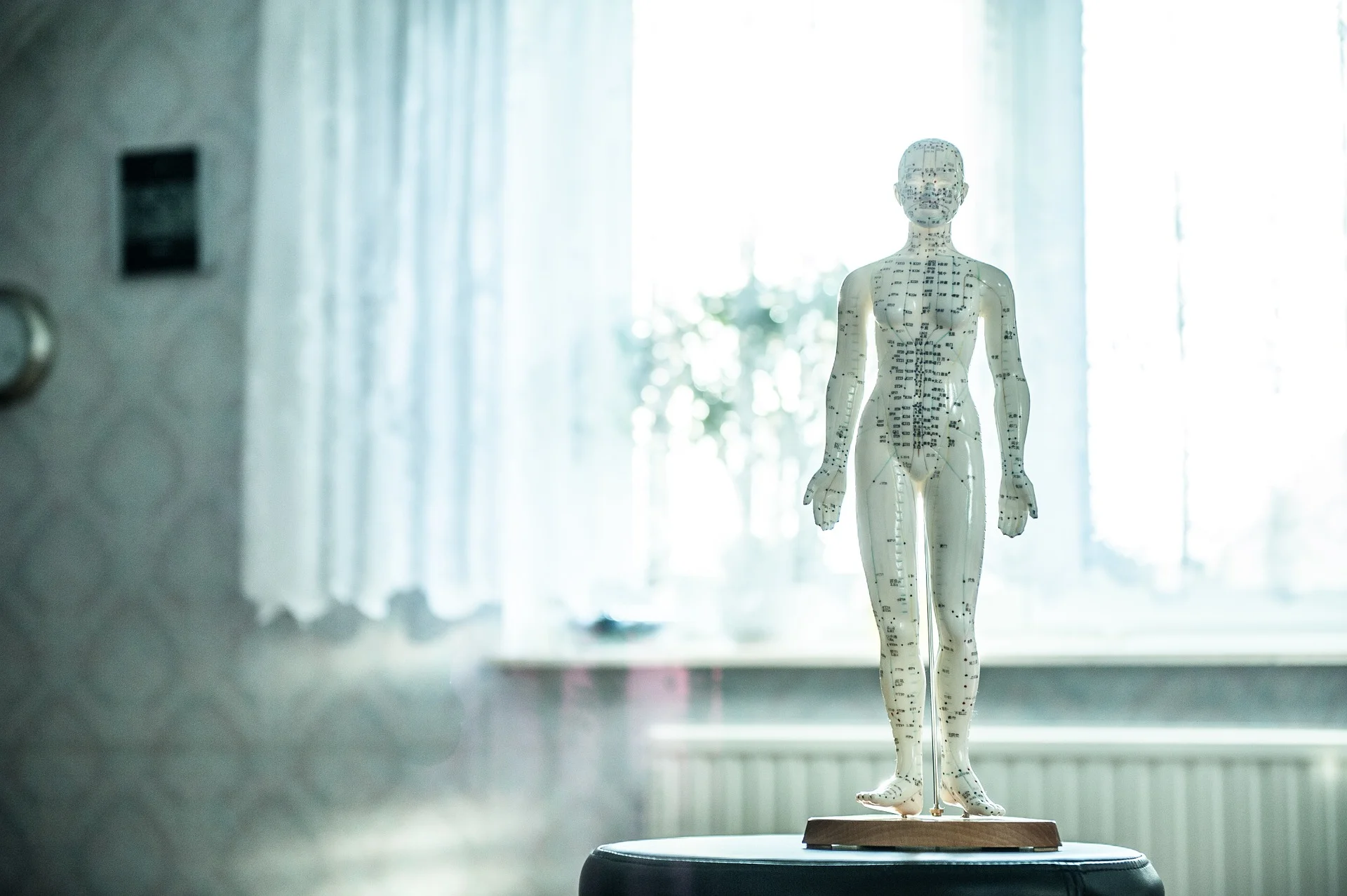
Acupuncture involves inserting thin needles into specific points on the body. This achieves a wide range of results. As a naturopathic doctor, I'm licensed to perform acupuncture. It's a tool that helps many people. Acupuncture has been relied on in the east for over 3000 years. Modern scientific research is only beginning to understand this treatment. There is still much that isn’t understood.

In the east, acupuncture sessions are often done many times a week. Most of my patients opt for less frequent visits. Usually we do acupuncture one time a week for a couple sessions. Then we start spreading out the sessions. Once treatment stops, effects usually linger.

In this article, I will explain how acupuncture may work in three different ways.


Chemical Explanation

Studies propose that acupuncture may alter neurotransmitter production. Neurotransmitters are things like serotonin (the “happiness chemical”) and norepinephrine (similar to adrenaline). Acupuncture may also alter brain and nervous system function. For this reason, acupuncture may be helpful for:

- depression, anxiety and other mental health conditions

- digestive issues

- high blood pressure and menopause

- insomnia

- immune health

Acupuncture may also improve blood flow to certain regions of the body. By doing so it can help with period cramps, digestive issues, migraines, pain and more.

Modern science doesn't fully understand why specific acupuncture points have these impacts. MRI studies have linked needling points to altered activity in different parts of the brain. Also points often are over nerve pathways. There is still much to learn.


Mechanical Explanation

In cases of pain management, acupuncture needles are often place near painful areas. They can be placed in muscle knots to release tension. Placing them around nerves can block pain signals that travel along the nerve. The needles may stimulate the release of pain blocking chemicals. This includes opioids and endorphins. 


Traditional Explanation

Of course, before all these explanations there was a traditional explanation for acupuncture. The aim of acupuncture from this point of view was to ensure the healthy movement and amount of “qi”. Some think of “qi” as energy. If you have irregular periods the traditional explanation may be that you have blocked qi. If you get sick all the time it may be blamed on deficient qi.

Another goal is to balance yin and yang. Yang represents heat and energy while yin represents coolness, moisture and rest. Someone who is hypothyroid, cold all the time and exhausted may be diagnosed as deficient in yang. A constipated person with light or no periods may be considered low in yin.

The traditional explanation also involves improving the health of various organs.

This is an over-simplification but my aim is to just give you a very general understanding.


Would you like to try acupuncture for any of the conditions mention above? Are you wondering if something you’re suffering with could be treated with acupuncture? Book an appointment or free 15- minute consult to find out!

Book Now
Read More