
Menopause and Fibre: A Simple, Science-Backed Way to Ease Symptoms
Perimenopause and menopause have become buzzwords in online spaces. By that I mean that they have become a topic that influencers love to post about – whether the information is accurate or exaggerated. One thing I hear from women is that the recommendations for a smooth perimenopause and menopause experience are overwhelming.
Eat more than your body weight in protein.
Take these 15 supplements.
Don't take supplements.
Go keto.
Go carnivore.
Hormone replacement therapy will change your life for the better.
Hormone replacement therapy was a nightmare.
You have adrenal fatigue.
You need a dopamine menu.
So today I wanted to share a simple recommendation that researchers have linked to improved menopause symptoms. This recommendation has also been linked to improved mental health, gut health and cardiovascular health, so even if you don't experience a menopause win, you'll likely feel the benefits elsewhere. It's inexpensive and involves simple kitchen ingredients:
Eat the recommended amount of fibre.
Yes, believe it or not, increased fibre intake has been associated with improved menopause symptoms. Research has found that women in menopause who consume less fibre have more hot flashes, more night sweats and worse mood issues.
Scientists believe that fibre may improve the menopause experience by altering gut health, which has an important role to play in hormone health and mental health. Fibre also stabilizes blood sugar and inflammation, which can potentially help with temperature regulation and mental health.
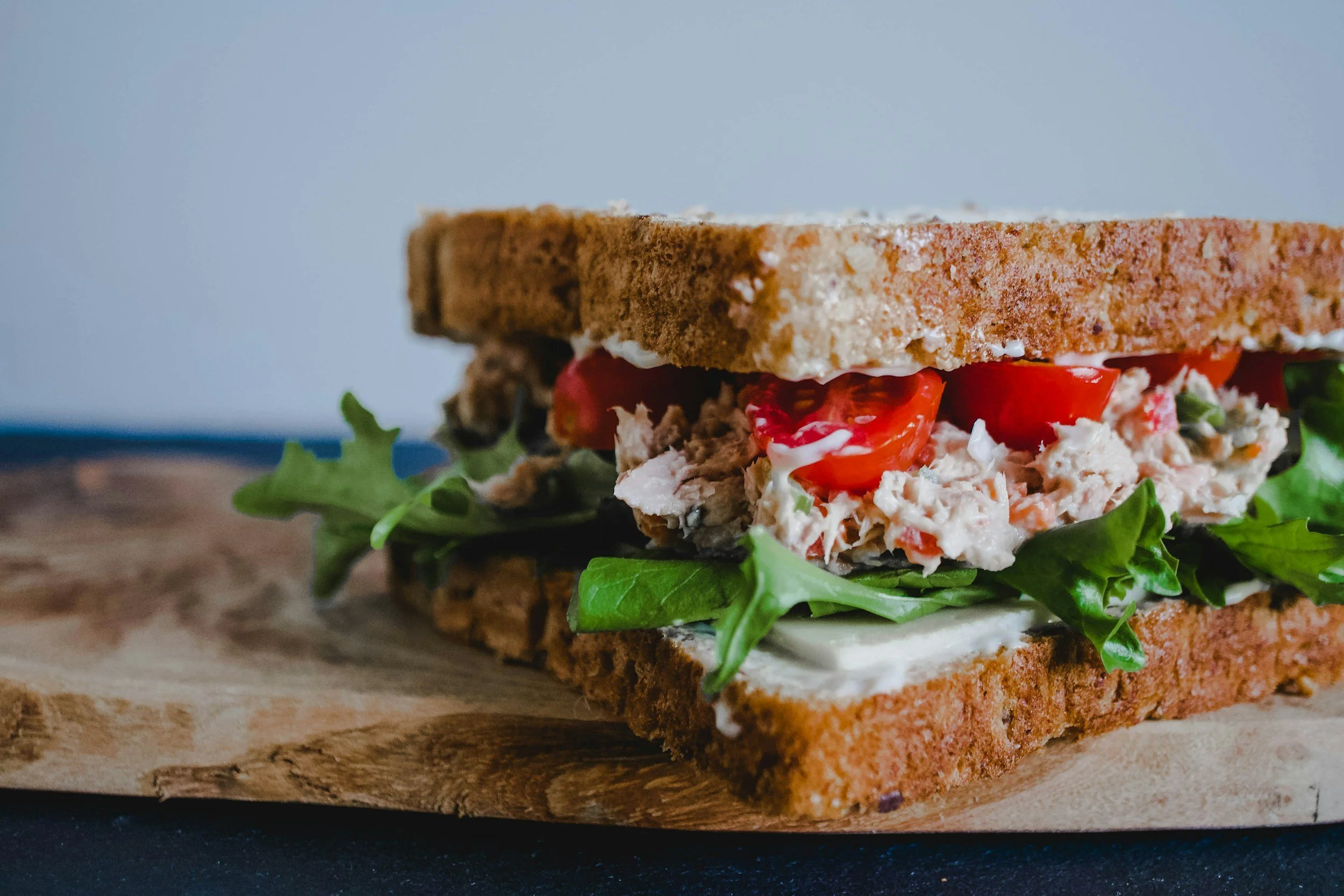
In order to achieve a higher fibre diet, women are advised to swap out refined grains (e.g. white bread) and highly processed foods for whole grains, legumes, fruits, vegetables, nuts and seeds. This may sound like a big overhaul that requires fibre bars and fibre supplements, but it doesn't have to be complicated. It can be as simple as swapping out a deli meat sandwich on white bread for a whole grain tuna sandwich with a salad on the side sprinkled with pumpkin seeds – and then making similar substitutions with your other meals. I regularly walk patients towards a wholesome, higher fibre diet meal by meal without overwhelming them.
Women need to get about 25 grams of fibre daily, and most are only getting half of that. Be sure to speak with a healthcare professional before making major changes to your diet, because you may have different fibre recommendations based on your unique health circumstances.
Of course, fibre may not fix all menopause-related complaints, but it is an important consideration in a broader menopause plan. If you are in Ontario and you need help with your perimenopause or menopause symptoms, book a free 15-minute consultation today.